







US-Iran war: Agreement after 100 days
After 100 days of fighting that reverberated across the Middle East and global markets, the United States and Iran signed a preliminary memorandum on Wednesday to enter deeper talks on outstanding issues, including Tehran’s nuclear program, frozen assets and sanctions relief. The US-Iran war remains unresolved, but the accord aims to expand an earlier ceasefire and open a 60-day negotiation window mediated by Qatar and Pakistan.
Mediation, timing and what was agreed
Diplomats said the memorandum is not a final peace treaty but a framework to bridge gaps. Officials involved described rounds of shuttle diplomacy and intensive back-channel talks that culminated in a tentative agreement to negotiate in good faith on technical and political issues. According to participants, the process seeks to prevent further disruption to global shipping after the partial closure of the Hormuz Strait hurt oil flows and prompted international concern.
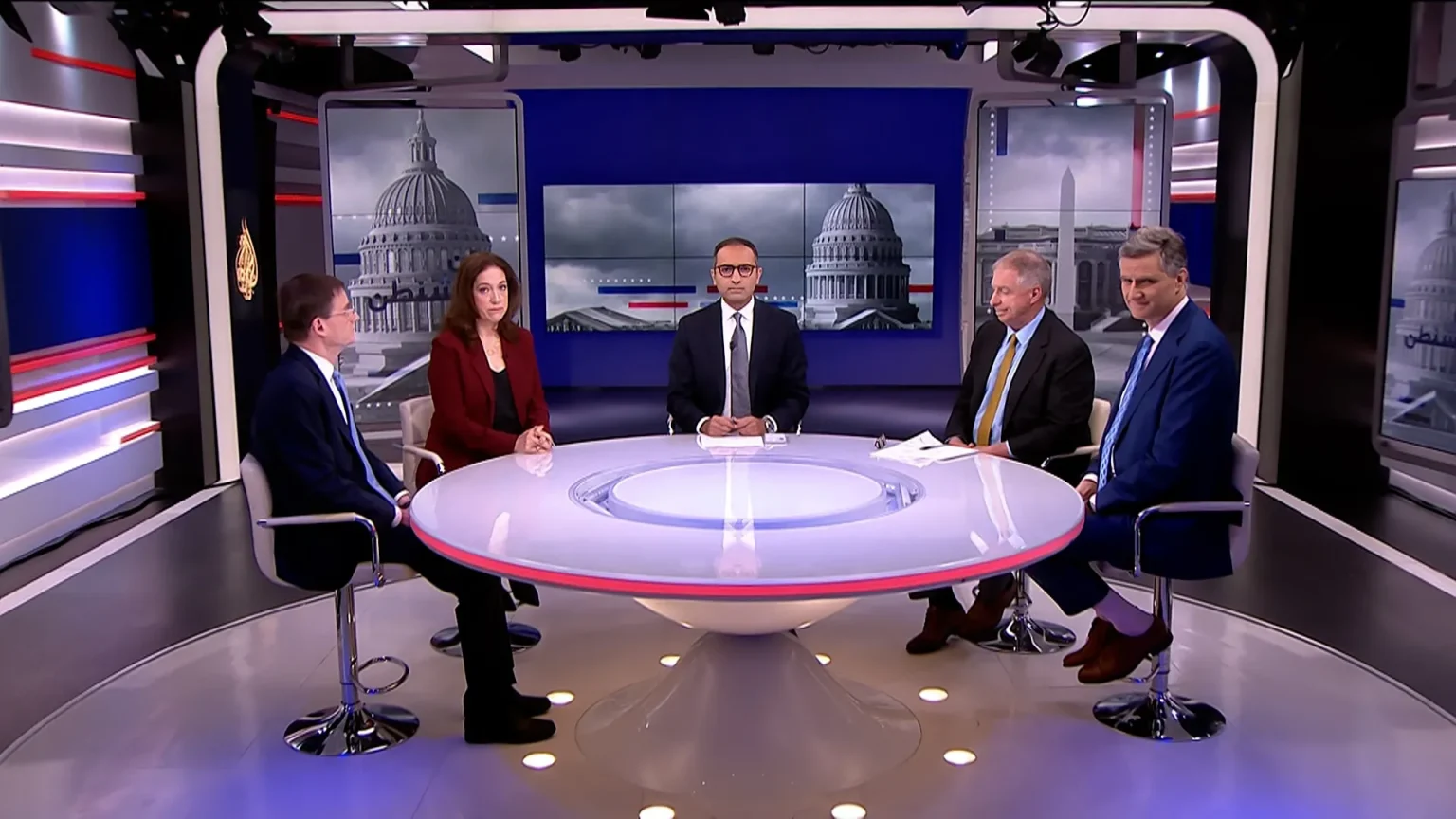
Former US diplomat Jennifer Gavito told analysts the deal primarily aims to reduce the immediate economic fallout of maritime disruptions and to create breathing room for longer talks on more complex items. Meanwhile, former assistant secretary David Hill said the US return to negotiations reflected a calculation that Iran offered sufficient guarantees of sincere bargaining to justify a pause in kinetic escalation.
Military balance, losses and regional fallout
Military officials and analysts estimate the campaign left significant damage on both sides. US defense sources reported approximately $29 billion in direct costs for operations and said 42 manned and unmanned aircraft were damaged or lost, including one Apache helicopter. At the same time, analysts say Iran’s conventional and nuclear-related capacities were degraded, setting back specific programs, according to Paul Saunders of the Center for the National Interest.
Grant Newsham, a former US military official, argued the United States still retains substantial force posture in the region and that Washington did not exhaust its military options. The conflict, he said, broke longstanding assumptions about deterrence and enabled regional partners to reassess their own security calculations. Additionally, protracted naval tensions around the Hormuz Strait prompted allied navies to increase patrols and convoy operations, complicating trade routes across the Gulf.
Nuclear program, sanctions and economic impact
One of the negotiation’s focal points is Tehran’s nuclear program and the degree of enrichment reduction that would be verified by independent inspectors. Officials said the memorandum contemplates technical steps to roll back certain high-enriched uranium stockpiles, but significant gaps remain between the parties on sequencing, verification and sanctions relief. Observers caution that any rollback would require rigorous monitoring and a timetable enforceable by both sides.
Economists and energy analysts welcomed the initial thaw as a stabilizing signal for global markets because even temporary guarantees of open navigation in the Hormuz Strait eased oil supply anxiety. Nevertheless, Gavito and other commentators noted that a narrow economic fix does not guarantee durable political reconciliation, and that renewed tensions could quickly reverse market confidence if either side perceived violations or foot-dragging.
Regional implications and shifting alliances
The conflict and its ensuing negotiations have already altered regional dynamics. Several Gulf states and other actors reportedly played sustained, discreet roles during mediation, signaling a more active regional diplomacy portfolio. Observers say the war underscored the fragility of prior security assumptions and pushed some countries to consider diversifying defense partnerships and logistics support.
Iran’s future conduct toward neighbors—especially its support for Lebanese and other proxy groups—was flagged by former US officials as a key determinant of whether the accord holds. David Hill emphasized that political behavior across the Levant and Persian Gulf will shape the next phase; if Tehran continues aggressive regional posturing, the likelihood of renewed military confrontation will rise despite current talks.
Negotiation challenges and verification questions
Analysts warn the 60-day deadline for talks is ambitious. Several experts expect the timeline may be extended if preliminary consultations produce incremental progress. The hardest issues include sequencing of sanctions relief, verification of uranium reductions, and access to frozen assets held abroad. Each side faces domestic constituencies that could complicate concessions, making tight verification mechanisms essential.
Observers also point to asymmetric risks: while the deal mitigates immediate economic pain from a closed Strait, it leaves open political grievances that could catalyze new incidents. The memorandum therefore functions as a risk-reduction instrument rather than a comprehensive settlement, according to diplomatic sources.
What to watch next
In the coming weeks, negotiators will focus on technical annexes, verification language and a timeline for reciprocal measures. Watch for whether the 60-day window is extended, the degree of international monitoring proposed for the nuclear file, and any new incidents that test the ceasefire. Market watchers will follow shipping traffic through the Hormuz Strait and oil price volatility as near-term indicators of stability.
Ultimately, whether the US-Iran war resumes or de-escalates will depend on implementation, verification and Iran’s political choices toward its neighbors. The memorandum provides a path to broaden talks, but officials caution that durable settlement will require sustained diplomacy, transparent verification and reciprocal political restraint.