





Saudi-Iran diplomatic talks mark a new diplomatic contact
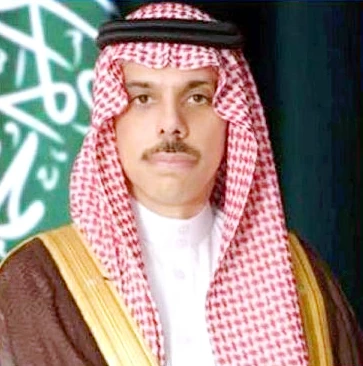
Saudi Foreign Minister Prince Faisal bin Farhan bin Abdullah spoke by phone with Iranian official Abbas Araghchi on Friday, according to a statement from the Saudi Foreign Ministry. The call addressed recent regional developments and ongoing efforts to bolster security and stability, with both sides emphasizing diplomatic engagement. The Saudi-Iran diplomatic talks were described as part of sustained channel communications aimed at de-escalation.
Details of the call and immediate context
The ministry statement said the two officials discussed the latest regional situation and measures to enhance security. Prince Faisal welcomed reports that Iran and the United States had reached an agreement to halt military operations and begin detailed negotiations toward a lasting accord. Officials noted that such steps, if implemented, could help consolidate peace and improve Gulf security.
Meanwhile, Saudi and Iranian representatives reaffirmed the importance of continuing joint efforts and diplomatic work to achieve durable stability. The phone exchange did not include public timing for follow-up meetings, but the ministry indicated that regular contacts would persist as part of a broader diplomatic process to manage tensions.
Why the Saudi-Iran diplomatic talks matter
These discussions come amid a period of heightened regional sensitivity, where localized clashes and proxy confrontations have raised the risk of wider escalation. Therefore, the Saudi-Iran diplomatic talks are significant because they signal a willingness to engage directly on de-escalation and coordination, according to analysts and diplomats familiar with the region.
Furthermore, the reported Iran-US agreement to end military actions and open negotiations could alter the strategic environment. Regional stability stands to benefit if major external and regional actors favour diplomacy over force, experts said, although they cautioned that verification and implementation remain critical.
Background: recent diplomatic shifts and regional security
Over recent years, Saudi-Iran relations have periodically oscillated between confrontation and cautious engagement, influenced by developments in Iraq, Syria, Yemen, Lebanon and maritime security in the Strait of Hormuz. Therefore, the renewed exchanges follow previous rounds of regional diplomacy that sought to reduce proxy conflicts and improve channels of communication.
Additionally, the emergence of an Iran-US agreement to halt military operations has introduced a new variable. While details of that accord were not specified in the Saudi statement, officials said it would enable more substantive negotiations and reduce immediate military risks, which in turn could permit broader diplomatic initiatives to address longstanding regional disputes.
Potential implications for Gulf security and diplomacy
If the reported ceasefire between Iran and the United States holds and is followed by detailed negotiations, Gulf security dynamics could shift. Governments across the Gulf will likely monitor the pace of diplomatic progress closely, because a stable settlement could lower the frequency of maritime incidents and decrease support for armed proxies, which have been drivers of instability.
Furthermore, practical confidence-building measures could follow, such as information-sharing on maritime movements, coordination on counterterrorism, and steps to de-escalate tensions in contested theatres. These measures would take time to negotiate and implement, and their success would depend on verification mechanisms and reciprocal trust-building.
International reactions and diplomatic ripple effects
International actors have generally encouraged restraint and dialogue in response to recent tensions, and the Saudi-Iran diplomatic talks are likely to draw attention from other capitals seeking a reduction in regional risk. Therefore, follow-up engagement by regional organizations and major powers could support a negotiated process by offering mediation, monitoring or technical assistance.
Nevertheless, actors in the region will watch for concrete actions beyond statements, such as reductions in hostile incidents, releases from detention where applicable, and transparent negotiation schedules. The durability of any improvement will depend on sustained political will and the inclusion of relevant stakeholders in negotiations.
Related diplomatic channels
Officials noted that diplomacy often proceeds on multiple tracks, including direct government-to-government contacts, back-channel communications, and multilateral forums. Therefore, the Saudi-Iran diplomatic talks should be seen as one element in a larger mosaic of engagement that may include track-two diplomacy and mediation by third parties.
What to watch next
Observers should monitor three key indicators in the coming weeks: evidence of a sustained halt to military operations under the Iran-US agreement, announcements of formal negotiation schedules or mediating arrangements, and concrete confidence-building steps between Riyadh and Tehran. These developments will indicate whether the current contacts move from preliminary goodwill to substantive progress.
In addition, analysts will follow whether the talks broaden to address long-standing regional drivers of conflict, including proxy activity and security arrangements in contested zones, which are essential for long-term regional stability.
Conclusion and outlook
The phone call between Prince Faisal and Abbas Araghchi marks a diplomatic opening that officials said aims to reinforce security and stability in the region. While the Saudi-Iran diplomatic talks are a constructive sign, officials caution that verification and follow-through are required to translate agreements into lasting change. Readers should watch for follow-up contacts, negotiation timetables, and early confidence-building measures in the coming weeks as indicators of progress.