






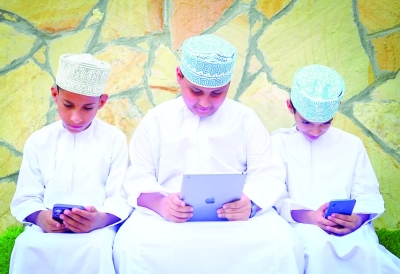

Experts in psychology and sociology say a child’s immediate surroundings play a decisive role in early development, according to a recent survey by the Oman daily. The main keyword, place and child development, captures this idea: safe, well-designed environments that encourage movement, play and social interaction improve behavior, emotional stability and basic social skills in young children.
The survey, conducted earlier this year and including university specialists from Sultan Qaboos University and the University of Sharqiyah, examined how neighborhood layout, public play areas and family practices affect childhood growth in urban and rural settings. Officials and academics noted that while physical spaces support healthy routines, the rise of digital environments is creating new challenges for real-world engagement and physical activity.
Place and child development: key expert observations
Dr. Mohammed Al-Sharibini, a sociology and social work professor at Sultan Qaboos University, told the survey team that place and child development operates through everyday lived experience rather than through words alone. He explained that the character of a neighborhood, the quality of relationships among neighbors, and the availability of safe play areas all shape a child’s early understanding of social norms and trust.
According to the experts, children raised in environments where they feel secure and included tend to show greater social confidence, independence and willingness to participate in group activities. Meanwhile, environments that restrict movement or lack public play facilities can increase reliance on screens and reduce opportunities to practice negotiation, cooperation and conflict resolution with peers.
How physical play spaces shape children’s social skills
Play is described by specialists as a child’s primary medium for learning. Dr. Jukha Al-Sawafi, a counseling psychology professor at the University of Sharqiyah, emphasized that active play and open spaces help youngsters develop decision-making, cooperation and emotional regulation. These are core components of children’s social skills and long-term wellbeing.
Urban planning and modern housing trends sometimes reduce indoor and outdoor space for children, which raises the strategic importance of parks, playgrounds and safe streets. Furthermore, spending time in community-centered play areas builds memory maps tied to place, reinforcing emotional attachment, identity and a sense of belonging that supports social integration.
Digital environment and its impact on real-world interaction
Specialists warned that the expanding digital environment alters patterns of social learning. While well-managed digital tools can provide educational benefits and imaginative experiences, excessive screen time often leads to weaker in-person communication skills and lower physical activity levels, particularly in early childhood.
Dr. Jukha Al-Shukaili, an early childhood education professor at Sultan Qaboos University, noted that virtual experiences are largely cognitive and emotional without the full sensory and motor participation of real play. Therefore, prolonged immersion in online platforms can displace opportunities for hands-on problem solving, body-based learning and tactile social exchange that children need for balanced development.
Differences between rural and urban upbringing
Experts highlighted that geographic location is less determinative than the social patterns it supports. Rural environments often provide denser social networks with more communal oversight and chance for intergenerational interaction, which can foster belonging and social responsibility.
In contrast, urban life offers exposure to diversity, autonomy and varied cultural encounters that may enhance adaptability and resilience. However, rapid urban lifestyles and greater reliance on technology can also produce social isolation for some children, underlining the need for deliberate community design focused on accessible play and meeting places.
Planning, education and community responses
Specialists recommend placing children’s needs at the center of urban planning and community services. This includes designing safe streets, accessible parks, child-friendly educational facilities and family support services, which together reinforce both mental wellbeing and social competence.
Policy and community initiatives should also promote balanced use of digital tools, integrating technology as a complement to—not a replacement for—real-world play. According to the survey analysis, coordinated actions by municipal planners, schools and families can mitigate risks associated with excessive screen time while enhancing opportunities for social learning.
Conclusion and what to watch next
In summary, the research and expert commentary suggest that place and child development is a multifaceted process influenced by physical spaces, social ties and digital habits. Readers should watch for municipal planning updates, school-based outdoor learning programs and public health guidance that aim to increase safe play spaces and regulate screen exposure in early childhood.
Over the coming year, stakeholders say they expect local authorities and educational institutions in the region to issue clearer guidelines and pilot projects that balance digital learning with expanded outdoor opportunities. Observers should monitor these initiatives for measurable impacts on children’s social skills, physical activity and overall psychological stability.