






Hormuz risk premium reshapes oil market amid shipping disruptions
The emergence of a pronounced Hormuz risk premium is changing how markets value crude, traders and analysts say. Over the past weeks, disruptions in the Strait of Hormuz have prompted buyers, insurers and shipping firms to factor the safety of transit into prices, not just supply and demand.
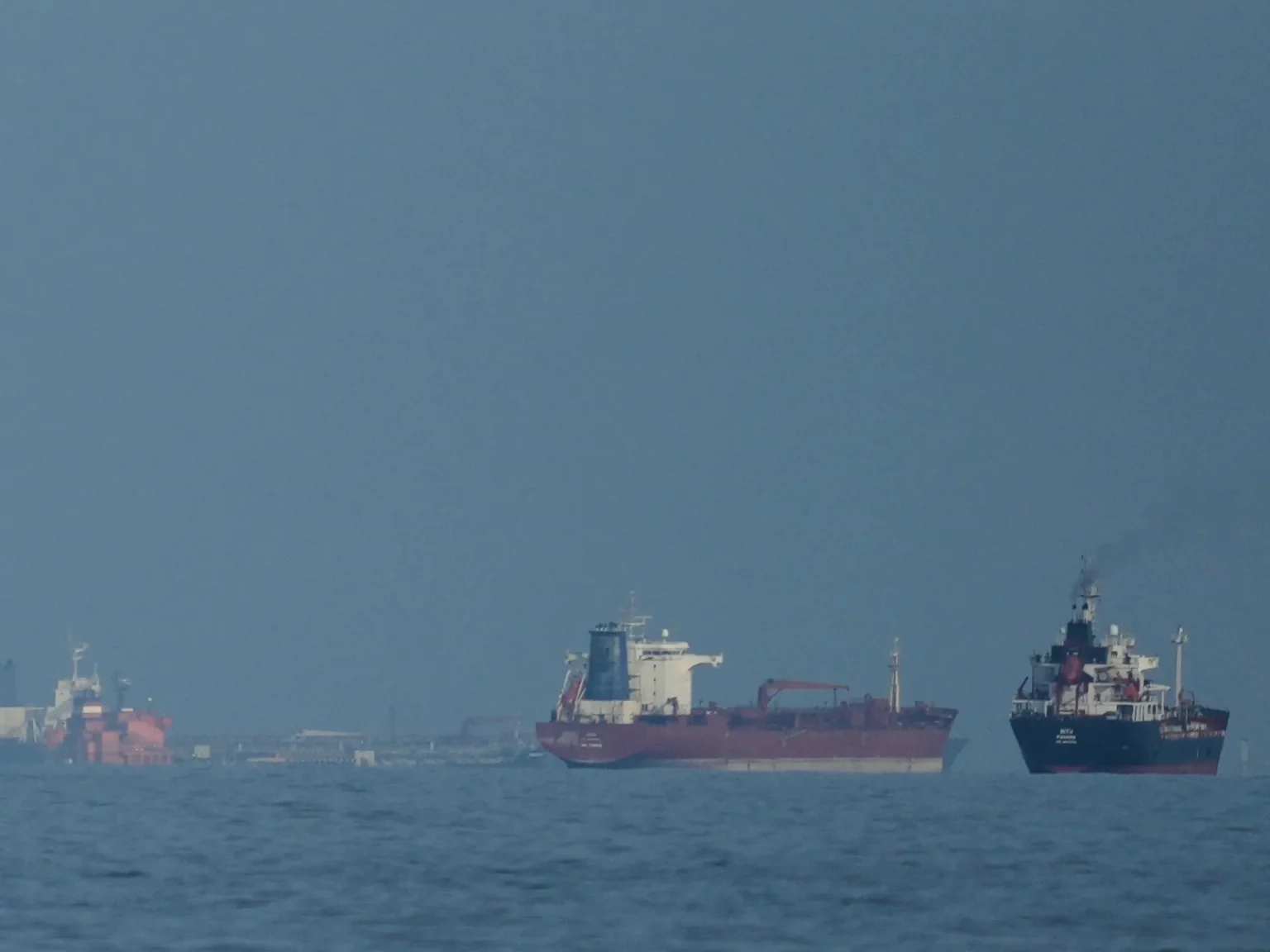
The Strait, a narrow maritime chokepoint through which roughly one-fifth of global oil and liquefied natural gas flows, has seen interruptions to normal navigation. That has heightened concerns about timely deliveries and pushed Brent crude and other benchmarks higher, according to industry observers and Al Jazeera reporting.
How the Strait of Hormuz became a standalone price driver
Who: Global oil traders, shipping companies, insurers and governments are recalibrating risk models. What: A new pricing component—labeled the Hormuz risk premium—adds to traditional fundamentals. When and where: The adjustment accelerated after recent weeks of partial or chaotic navigation through the Strait of Hormuz.
Analysts note this is not merely a temporary freight or insurance surcharge. Instead, the risk premium reflects the market’s concern about whether available volumes can reach refineries and storage hubs on time. Therefore, oil prices now incorporate a direct assessment of shipping security, as well as production, inventories and demand forecasts.
Main keyword: Hormuz risk premium and its market mechanics
The Hormuz risk premium appears as an add-on to benchmark quotes and is priced into freight, charter rates and insurance. According to energy expert Mamdouh Salama, geopolitical risk premia typically add a few dollars per barrel in ordinary conditions, but the uncertainty around a prolonged Strait disruption can turn this premium into a semi-permanent feature.
Furthermore, traders have begun to bid up Brent crude in response to both the probability and potential duration of constrained transit. This creates feedback: higher oil prices increase revenue pressure on importers, and at the same time raise the economic cost of shipping delays and insurance spikes.
Why shipping security now drives oil prices
Shipping security has moved from a logistical concern to a central determinant of market sentiment. Industry sources say insurers and cargo underwriters are tightening coverage terms, raising war-risk and transit premiums for vessels operating near the Strait. Consequently, shipping costs and insurance become part of the delivered cost of crude and refined products.
Meanwhile, some producers may be unable to fully monetize price gains if their exports remain constrained or their export infrastructure is threatened. This creates a paradox: high global prices do not guarantee increased flows for buyers when the maritime chokepoint is the bottleneck.
Regional winners and losers under sustained Hormuz risk pricing
Within the Arab oil-producing world, the effects are mixed. Countries that can export through alternative routes or whose output is not exposed to the Strait may benefit from higher oil prices. Conversely, energy-importing economies face larger import bills and inflationary pressure as shipping and fuel costs rise.
Analysts quoted by Al Jazeera, including Lori Hitaian and Nihad Ismail, caution that while higher oil prices boost revenues for many producers, the logistics constraints mean the gains are uneven. They note that some exporters need high price levels to balance budgets, while importers confront weaker currencies and rising subsidy burdens.
Market scenarios: short-term spike versus prolonged shock
Traders are working through scenarios. A rapid reopening of normal navigation could remove a portion of the Hormuz risk premium, producing a swift decline in prices, potentially $10–$20 per barrel, industry estimates suggest. However, a partial or slow resumption would likely leave prices elevated relative to pre-crisis levels.
In a severe scenario where the Strait remains effectively closed for months, experts warn of sustained shortages that inventories and alternative routes cannot fully offset. That would push Brent and other benchmarks much higher and could have cascading effects on inflation, trade costs and industrial output worldwide.
Insurance markets as an early indicator
Insurance and reinsurance terms often signal the market’s risk appetite. When insurers widen exclusions or hike premiums for transits near a chokepoint, that cost is passed to shippers and ultimately to consumers. Therefore, monitoring war-risk premiums and hull and machinery rates offers an early read on how the Hormuz risk premium is evolving.
Implications for policy, trade and energy transition
Policymakers face trade-offs. Governments in importing countries may decide to increase strategic reserves or subsidize fuel to dampen public impact, raising fiscal pressures. Exporters may prioritize alternative export corridors and expedite repairs to infrastructure, while shipping firms reroute vessels at higher fuel and time costs.
Furthermore, the crisis may accelerate investments in diversification—more pipeline capacity, increased LNG shipments on different routings, and renewed interest in lower-risk baseload supplies. Energy transition conversations could also shift as decision-makers evaluate the security benefits of varied energy mixes.
What to watch next: timelines and market signals
Market participants should watch for diplomatic progress to restore safe navigation, insurance market updates, changes in tanker routing and official inventory releases. OPEC statements and weekly supply data will remain relevant but will now be read alongside shipping and insurance indicators.
Traders and analysts say the next days to weeks are critical for determining whether the Hormuz risk premium becomes entrenched or retreats. If maritime traffic normalizes quickly and insurers reinstate standard terms, a notable portion of the premium could evaporate. Conversely, protracted instability would likely keep oil prices structurally higher.
Conclusion: an added layer of price risk
The market has entered a phase where the security of maritime corridors is explicitly priced into oil. The Hormuz risk premium has transformed the way investors, shippers and insurers evaluate energy risk in the Gulf, amplifying the link between geopolitics and commodity markets.
Watch for developments in navigation safety, insurance coverage, and diplomatic talks over the coming weeks. Those signals will determine whether the premium diminishes or persists, shaping oil prices, trade costs and economic outcomes through the remainder of the year.