




Gulf security after 100 days of conflict
One hundred days after the skies above the Gulf turned into a battleground of cruise missiles and drones in the conflict involving the United States, Israel and Iran, Gulf security has become the defining issue for regional capitals. Analysts interviewed by Al Jazeera say the period since the strike marks a structural shift in how Gulf states assess threats, manage alliances and protect trade corridors.
Meanwhile, the immediate effects are visible: higher maritime insurance premiums, re-routed flight paths, weakened investor confidence and enlarged defense budgets. These consequences are rippling across policy rooms, boardrooms and military planning cells in Gulf Cooperation Council states.
Political realignment and Gulf security strategy
Political analysts in the region argue that the Gulf now faces a dual test: preserve sovereign decision-making while maintaining strategic partnerships with external powers. Suleiman Al-Aqeeli and Khalid Al-Jaber, among others, told Al Jazeera that Gulf leaders are pushing for a shared strategic message to deter further external imposition and to protect common interests.
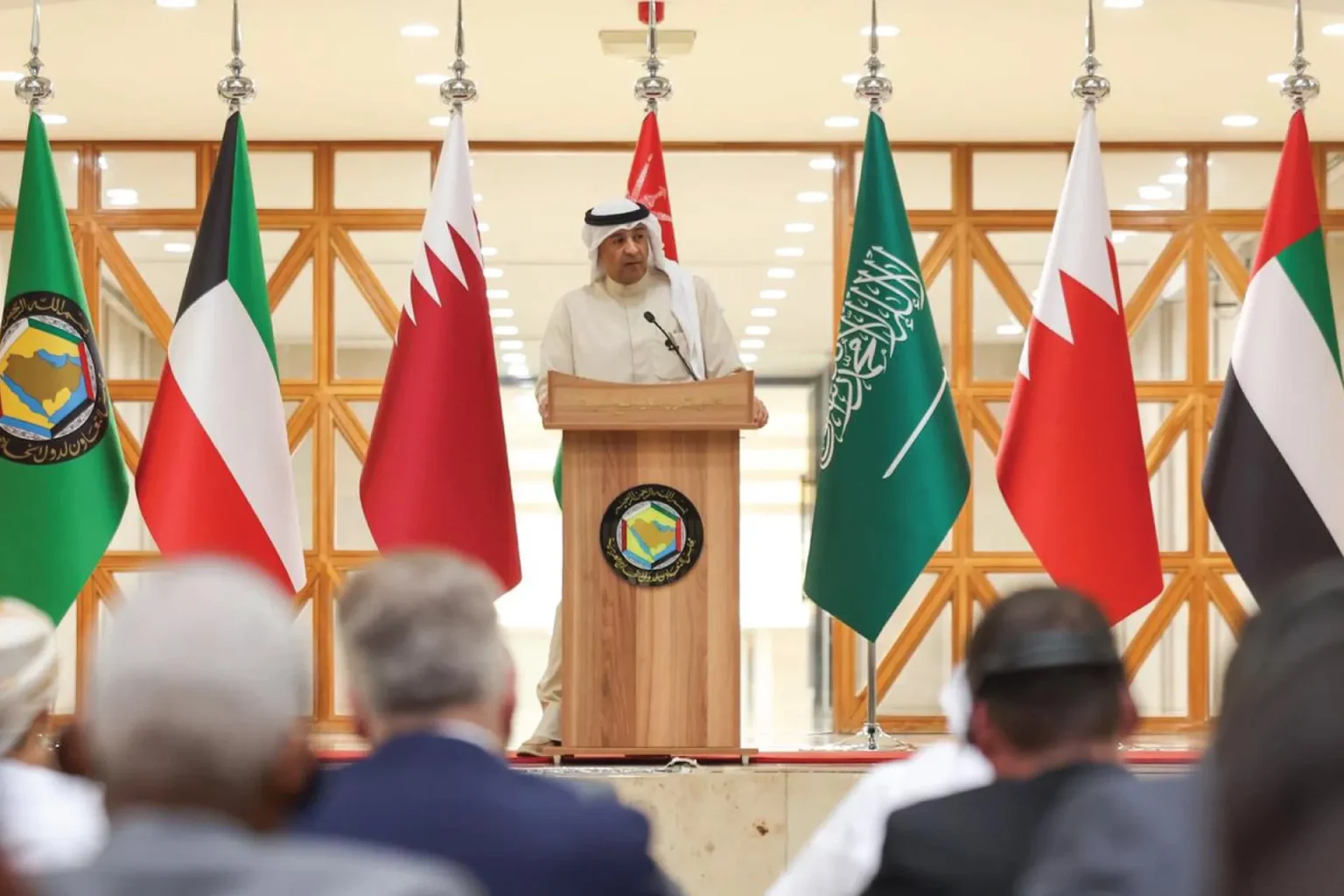
Therefore, the Jeddah summit on April 28 is being read as an inflection point. Officials and regional scholars said the gathering emphasized what one analyst described as “structural economic deterrence” — a policy package aimed at weakening coercive levers by diversifying export routes, accelerating internal connectivity projects and establishing shared strategic reserves.
In practice, the political debate centers on redefining national interest as collective resilience. Consequently, some Gulf governments are cautious about deeper security links that might entangle them in foreign priorities, while others see integrated defense arrangements as the only viable path to durable stability.
Economic fallout: energy routes, insurance and markets
The economic toll has been concentrated in energy, aviation and maritime services. According to sector analysts, global losses tied to the Gulf disruptions include tens of billions in corporate and credit damages, with aviation fuel prices and insurance costs driving additional strain on carriers and shippers.
Estimates cited by regional economists indicate roughly $25 billion in direct corporate losses across sectors tied to the Gulf, and wider credit stress in Asian banking markets approaching $180 billion. Furthermore, aviation losses are estimated in the order of $15 billion as airlines absorbed higher fuel and route costs, while Iran itself reportedly faced daily port losses nearing $400 million during peak disruption.
Therefore, Gulf states have prioritized alternative energy routes and port linkages. Plans to expand rail networks toward Europe, develop overland export corridors and accelerate pipeline and storage projects are gaining political momentum. Additionally, there is increased emphasis on integrating ports functionally rather than competitively to build resilient supply chains.
Maritime insurance prices have spiked, prompting shipping firms to re-route around perceived danger zones. As a result, decision-makers are weighing short-term mitigation against long-term investments in diversified export infrastructure and cross-border logistics.
Regional relations with Iran and the search for stability
Relations with Iran now shape the contours of the new Gulf environment. Analysts such as Ali Al-Hel and Fahad Al-Otaibi told Al Jazeera that Gulf states, including Qatar, Saudi Arabia and Oman, maintain channels with Tehran partly out of geographic necessity and economic interdependence.
However, policy prescriptions differ. Some advisers advocate resilience and strategic autonomy, arguing that the most effective response is to build domestic and regional capacity to withstand pressure rather than rely solely on external guarantees. Others warn that any closer alignment with third-party security frameworks risks reducing Gulf states to secondary roles in arrangements that do not reflect their core interests.
Military posture: defense integration and deterrence
Military planners in the Gulf are actively reconsidering force structure and command arrangements. Khalid Al-Jaber and other defense analysts propose moving beyond ad hoc cooperation to “defense integration” that links radar systems, early warning networks and interception capabilities under coordinated command structures.
Furthermore, the proposed architecture includes shared strategic stocks of fuel, medical supplies and critical food items, as well as joint operational hubs to coordinate air and maritime monitoring. Such integration aims to create layered deterrence that raises the cost of any strategic provocation and reduces the chance of localized shocks becoming regional crises.
At the same time, alternative concepts labeled “post-deterrence” are under discussion. Those ideas would combine immediate defensive capacity with unpredictable, asymmetric responses that increase escalation costs for an adversary. Policymakers say this hybrid approach could limit the effectiveness of missile and drone campaigns while avoiding the trap of mirror escalation.
Implications for markets and governance
Financial managers and sovereign planners face a sustained adjustment period. Budget lines for major development projects have been reallocated toward defense and resilience, according to fiscal experts. While some economies have absorbed the shock without service breakdowns, longer disruption would test social spending and investor patience.
Therefore, observers advise that effective communication with investors, transparent contingency planning and accelerated infrastructure projects are essential next steps. Regional coordination on regulatory standards for logistics, customs and port operations is also recommended to strengthen the economic backbone against future shocks.
Conclusion: what to watch next
After 100 days of conflict, analysts conclude that a “new Gulf” is emerging—one that prioritizes Gulf security through political coordination, economic diversification and deeper defense integration. Watch for concrete moves in the next 3–6 months: formal agreements on joint logistics, announcements of new export corridors, and initial steps toward synchronized air and maritime surveillance.
Finally, policymakers say the ultimate test will be whether Gulf states can balance strategic autonomy with necessary partnerships, preserve trade flows while shielding citizens from prolonged economic pain, and build a defense posture that deters escalation without entangling the region in external conflicts.