



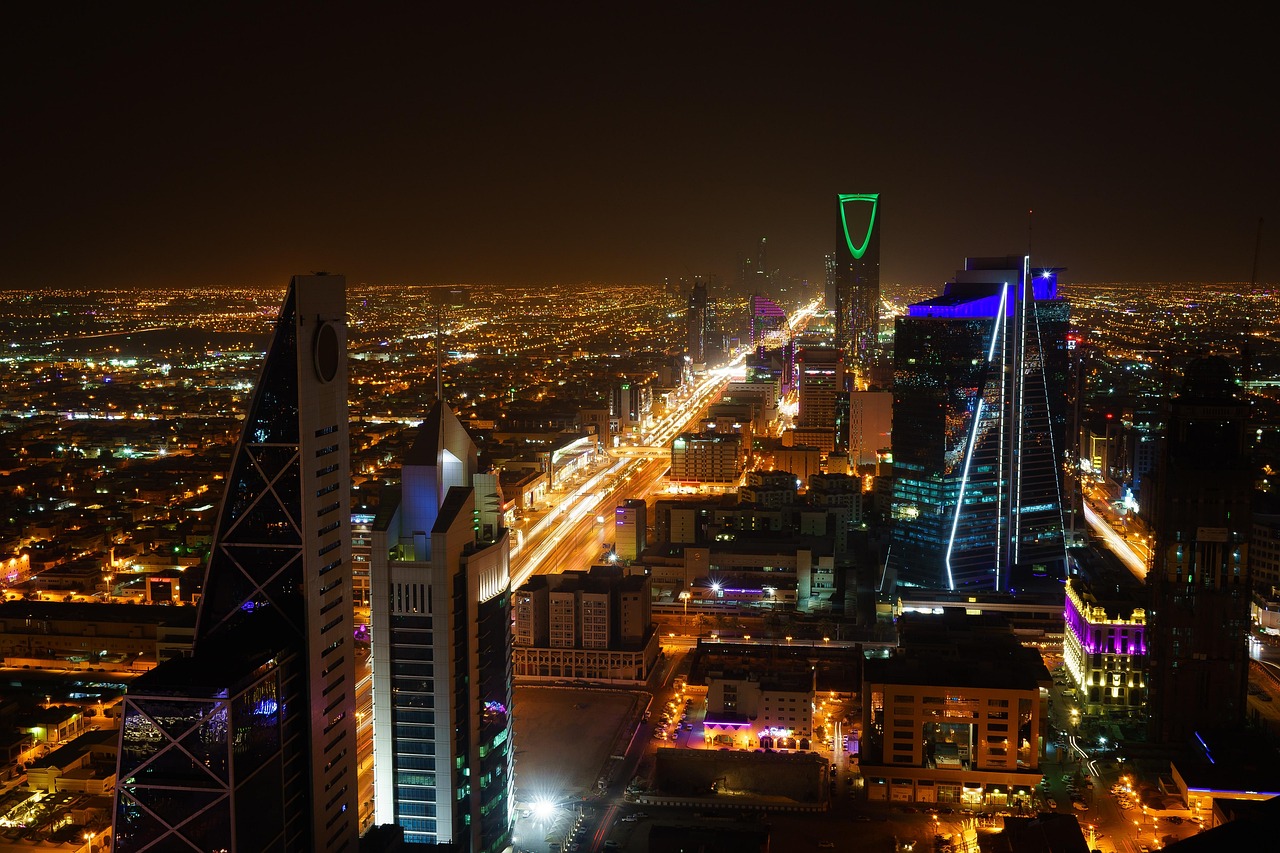

The construction market in Saudi Arabia is one of the world’s most active and capital-rich landscapes. Top Profitable Construction Businesses in Saudi Arabia include a mix of traditional contracting, off-site modular manufacturing, MEP services, infrastructure developers and facilities management firms. Rapid urban expansion, giga-projects under Vision 2030, and renewed private-sector investment create consistent demand for specialized builders and supply-chain companies.
If you are planning to visit Saudi Arabia to research or launch a construction business, this guide explains which sectors generate the strongest returns, why they perform well, where to focus geographically, and how to plan a practical business trip to the major Saudi construction hubs like Riyadh, Jeddah, Dammam and NEOM.
Quick Answer
Top Profitable Construction Businesses in Saudi Arabia today are general contracting firms focused on large residential and commercial projects, precast and modular construction manufacturers, MEP (mechanical, electrical, plumbing) specialists, infrastructure and road contractors, renewable-energy construction companies, and facilities management and O&M providers. Profitability follows project scale, technical specialization, and proximity to giga-projects such as NEOM, the Red Sea Development, and key urban redevelopment work in Riyadh and Jeddah.
Key Takeaways
- High demand stems from Vision 2030 giga-projects and national infrastructure plans.
- Specialized services (MEP, modular, precast, renewable energy) often command higher margins.
- Geographic focus matters: Riyadh and NEOM attract large projects; Eastern Province remains critical for industrial and oil-related work.
- Visiting Saudi for business requires preparation: visas, local partnerships, and clear supply-chain planning.
- Avoid bidding on projects without local compliance knowledge; invest in local licensing and Saudization planning early.
Why construction in Saudi Arabia is a strong opportunity
Vision 2030 and giga-projects
Saudi Vision 2030 drives tourism, housing, and infrastructure spending. Large public-private partnerships and mega-developments (NEOM, Qiddiya, Red Sea, Amaala) create long pipelines of contracts and subcontracts for construction, engineering, and materials suppliers.
Urban growth and private real estate
Population growth and urban renewal in Riyadh, Jeddah and Dammam increase demand for residential, commercial, and mixed-use projects. Private developers are active, creating opportunities for mid-sized contractors and specialist subcontractors.
Top Profitable Construction Businesses in Saudi Arabia
The following business types consistently show strong profit potential, listed with practical entry advice and geographic focus.
1. General Contracting and Project Management
General contractors that deliver turnkey projects—residential complexes, commercial towers, and hotels—capture large contract value. Profitability depends on project scale, efficient procurement, and reliable subcontractor networks. Focus on Riyadh and Jeddah for urban projects and the Western Region for tourism developments.
2. Precast and Modular Construction Manufacturing
Off-site manufacturing shortens schedules and reduces site labor costs. Precast concrete and modular buildings suit mass housing, worker accommodations for industrial sites, and quick hotel builds near tourist developments. Large projects often prefer suppliers who can guarantee quality and delivery times.
3. MEP (Mechanical, Electrical, Plumbing) Contracting
MEP specialists carry premium margins because they require technical skills, certifications, and coordination. The complexity of high-rise HVAC, electrical distribution for megaprojects, and smart-building systems makes MEP services indispensable.
4. Infrastructure, Roads and Civil Works
Road networks, bridges, and utilities remain core public spending areas. Contractors experienced in heavy civil works, earthmoving, and utility installation benefit from steady public tenders, especially around new city developments and industrial zones in the Eastern Province and Riyadh outskirts.
5. Renewable Energy Construction and EPC
Solar farms, wind projects, and grid connection works are expanding as Saudi diversifies its energy mix. EPC contractors with experience in solar PV, energy storage, and electrical interconnection are in demand for utility-scale projects and industrial clients.
6. Specialist Oil & Gas Construction Services
The Eastern Province (Dammam, Jubail) continues to be important for oil, petrochemical and industrial construction—pipework, civil foundations, and package installations. Specialized contractors who meet industrial safety and quality standards find higher margins but also higher compliance requirements.
7. Building Materials Manufacturing and Supply
Local producers of ready-mix concrete, cement additives, steel reinforcing, and architectural finishes cut costs for projects and earn margin from bulk supply contracts. Strategic locations near ports (Jeddah, Dammam) reduce logistics costs for large projects.
8. Facilities Management and O&M Services
Operating and maintaining completed assets—commercial towers, resorts, housing complexes—provides recurring revenue. Investors often outsource long-term operations to FM firms that offer technical maintenance, energy management and lifecycle services.
9. Interior Fit-out, Landscaping and Façade Specialists
Finish contractors for high-end hotels, resorts, and office interiors command higher margins for craftsmanship and tight schedules. Façade engineering and landscaped public spaces are valued in tourism developments along the Red Sea and Western coastline.
| Business Type | Why Profitable | Key Cities/Regions |
|---|---|---|
| General Contracting | Large contract values; repeat work | Riyadh, Jeddah, NEOM |
| Modular & Precast | Time savings; lower labor costs | Kingdom-wide, near industrial zones |
| MEP Contracting | Technical entry barriers; high margins | Riyadh, Eastern Province |
| Infrastructure | Public funding; steady pipelines | Riyadh outskirts, Eastern Province |
Practical tips, comparisons and mistakes to avoid
- Partner with a local firm: joint ventures and Saudi partners help with licensing, Saudization targets and public tenders.
- Invest in compliance early: health, safety and environmental standards matter—especially for industrial and coastal projects.
- Compare margins: specialist services (MEP, façades) typically yield higher margins than general trade but require certified staff.
- Avoid underbidding: low bids on large projects often lead to cost overruns and reputational damage.
- Use local procurement where possible to reduce logistics costs and improve tender competitiveness.
Best Tips for Planning Your Trip to Assess Construction Opportunities
If you plan to visit Saudi Arabia to explore Top Profitable Construction Businesses in Saudi Arabia, structure your trip around meetings, site visits, and market research. Fly into major airports—Riyadh (RUH), Jeddah (JED), or Dammam (DMM)—depending on your sector focus. Book meetings in advance with developers, major contractors, and local chambers of commerce.
Choose hotels near business districts: Riyadh’s Olaya and King Abdullah Financial District, Jeddah Corniche and historic district for coastal projects, and Dammam for Eastern Province industrial access. Arrange local transportation ahead of time; taxis and ride apps are widely available, but visiting multiple sites across regions may require a rented car or driver.
Check visa rules and business-entry requirements with official Saudi government sources or your nearest consulate. Bring proof of company background, references, and an outline of technical capabilities—Saudi partners and procurement teams expect clear documentation.
Who is this best for?
This opportunity suits medium-to-large contractors, specialized subcontractors (MEP, façades, modular), materials manufacturers, and investors focused on long-term infrastructure and tourism projects. Smaller firms may find niche profitability in finishing trades or facilities management, while industrial specialists will benefit from Eastern Province oil & gas projects.
Is it worth it?
Yes, for companies that understand local procurement, can meet compliance and Saudization requirements, and who form strong local partnerships. Returns can be attractive where technical specialization reduces competition and where firms can reliably deliver quality at scale.
Conclusion
Top Profitable Construction Businesses in Saudi Arabia span a range of sectors—general contracting, precast/modular manufacturing, MEP, heavy civil works, renewable energy EPC, and ongoing facilities management. Geographic focus, technical specialization, and local partnerships are the three most important levers to improve profitability. Prepare a targeted business trip, verify regulatory details with official sources, and prioritize relationship-building with local developers and government procurement teams to convert opportunities into sustainable contracts.
Frequently Asked Questions
Which construction business is most profitable in Saudi Arabia?
MEP contracting and specialized modular/precast manufacturing are often among the most profitable due to technical barriers and schedule advantages. Profitability varies by project scale, client type and region, so assess local demand and competition before committing.
Where should I base my company in Saudi Arabia?
Riyadh is ideal for corporate headquarters and large urban projects; Jeddah and the Western Region are strong for tourism and port logistics; Dammam/Eastern Province fits industrial and oil-related work. Choose the base that aligns with your target sector and clients.
Do foreign companies need a local partner to win contracts?
A local partner is strongly recommended for public tenders and to meet Saudization expectations, licensing and local business practices. Joint ventures often speed approvals and improve competitiveness on large projects.
Are there special certifications required for MEP or industrial construction?
Yes—technical certifications, safety approvals and sometimes local registration with relevant Saudi authorities are typically required. Standards and certification bodies change, so confirm current requirements with official regulators or a local advisor.
How can I reduce logistics and material costs?
Establish local supply chains, source materials from regional manufacturers, and use strategic warehousing near project sites or ports. Pre-negotiated supply contracts and bulk purchasing reduce costs and improve delivery reliability.
What mistakes should I avoid when bidding on Saudi projects?
Avoid underestimating compliance costs, ignoring Saudization rules, and submitting bids without local market knowledge. Also avoid weak contract terms on change orders—clear scope and contingency planning are essential.
Is it necessary to visit sites in person?
Yes—site visits and face-to-face meetings remain crucial for relationship-building, verifying conditions and meeting procurement teams. Virtual meetings help initially, but in-person visits accelerate trust and deal progress.