






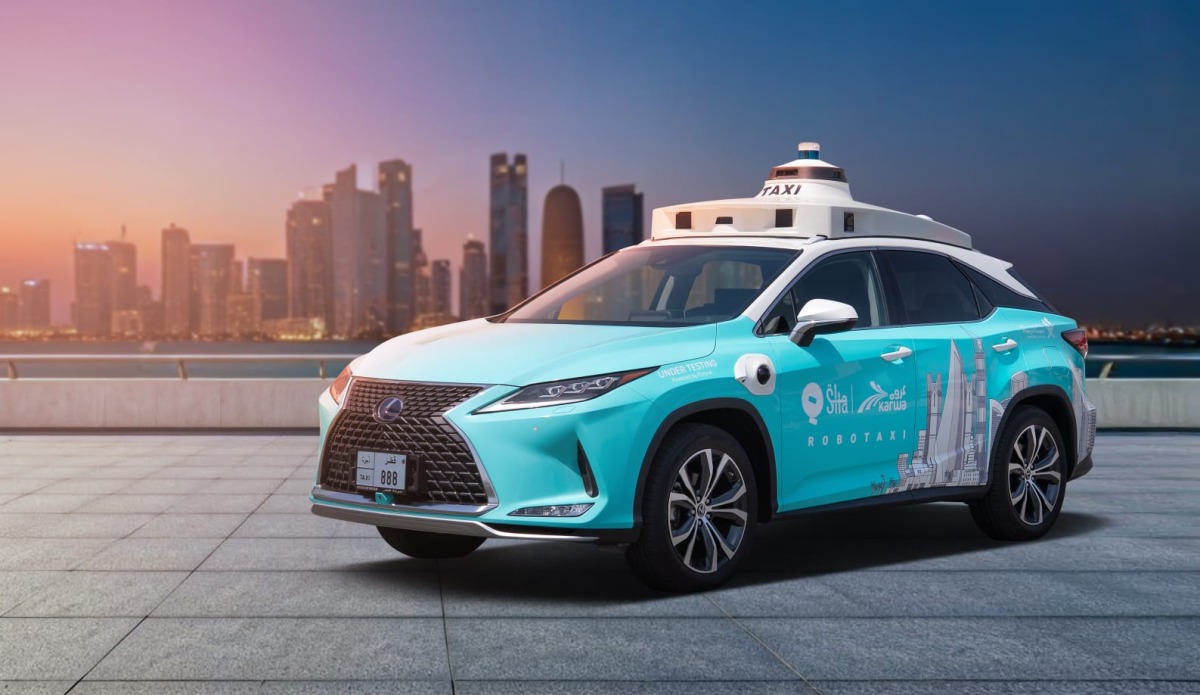

Doha, Qatar – Mowasalat (Karwa), Qatar’s national transportation company, is preparing to launch a public trial of its innovative Robotaxi service at Old Doha Port on January 26, 2026. This trial will allow residents and visitors to experience autonomous transportation firsthand within the country. The initiative marks a significant step towards integrating self-driving technology into Qatar’s public transport infrastructure and aligns with the nation’s smart city vision.
The public trial will run from 10:00 AM to 4:00 PM at the Old Doha Port, and participation requires pre-registration via an online form. Mowasalat has limited each Robotaxi trip to a maximum of two passengers to manage capacity and gather comprehensive data during the testing phase. The company announced the trial via its social media channels, encouraging interested individuals to sign up.
The Future of Transportation: Mowasalat’s Robotaxi Trial
This deployment of a Robotaxi is a first for Qatar, representing a considerable investment in future mobility solutions. The project is being undertaken with the oversight and approval of The Ministry of Transport, signaling a coordinated approach to introducing autonomous vehicles. Qatar has been actively exploring various smart transportation technologies as part of its National Vision 2030, which prioritizes sustainable development and technological innovation.
Advanced Sensor Technology
The Robotaxi utilizes a sophisticated suite of sensors to navigate its environment safely and efficiently. According to Mowasalat, the vehicle is equipped with eleven cameras, four radar units, and four LiDAR sensors. This integrated system provides a 360-degree view of the surroundings, enabling precise localization, object detection, and real-time decision-making.
LiDAR, in particular, plays a crucial role in creating a detailed map of the environment using laser light. This technology allows the vehicle to “see” in all weather conditions and accurately identify obstacles, even in low-light situations. The combination of cameras, radar, and LiDAR is designed to create a redundant and highly reliable perception system, essential for autonomous operation.
The Old Doha Port location was likely chosen for its relatively controlled environment and lower traffic density compared to other areas of the city. This allows Mowasalat to gather valuable data and refine the Robotaxi’s algorithms without exposing it to the complexities of a fully operational urban setting. The trial will focus on assessing the vehicle’s performance in real-world conditions, including pedestrian and cyclist interactions.
The introduction of autonomous vehicles, like the Robotaxi, has the potential to significantly impact Qatar’s transportation landscape. Potential benefits include increased road safety, reduced traffic congestion, and improved accessibility for individuals with limited mobility. However, challenges remain regarding public acceptance, regulatory frameworks, and the ethical considerations surrounding autonomous driving.
This trial is not the first foray into autonomous transport in the region. Several Gulf states, including the United Arab Emirates and Saudi Arabia, have been actively testing and deploying self-driving vehicles in limited capacities. These initiatives are often focused on specific applications, such as last-mile delivery or shuttle services within designated zones. The development of intelligent transportation systems is a growing trend globally.
Following the public trial, Mowasalat will analyze the collected data to evaluate the Robotaxi’s performance and identify areas for improvement. The Ministry of Transport will then review the findings and determine the next steps for integrating autonomous vehicles into Qatar’s broader transportation network. A wider rollout of the service is contingent on successful trial results and the establishment of appropriate safety regulations and infrastructure. The timeline for potential expansion remains uncertain, but further announcements are expected in the coming months.
The success of this initial trial will be a key indicator of Qatar’s commitment to embracing autonomous vehicle technology. Stakeholders will be closely watching for data on passenger experience, system reliability, and the vehicle’s ability to navigate the urban environment safely and efficiently. Future developments may include expanding the trial area, increasing the number of Robotaxi vehicles, and exploring partnerships with technology providers to further enhance the service.