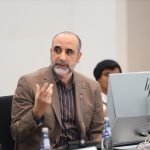








RIYADH — Saudi Arabian Foreign Minister Prince Faisal bin Farhan Al Saud and Gulf Cooperation Council (GCC) Secretary General Jasem Albudaiwi convened in Riyadh on Sunday to discuss strengthening regional Gulf cooperation and integration. The meeting focused on reviewing current joint initiatives and identifying opportunities for enhanced collaboration among the six member states. This dialogue underscores Saudi Arabia’s commitment to a unified and robust GCC, a key pillar of regional stability.
The discussions took place at the Ministry of Foreign Affairs in Riyadh, according to a statement released by the Saudi Ministry of Foreign Affairs. Both officials emphasized the importance of coordinated efforts in addressing shared challenges and promoting common interests within the region and internationally. The meeting’s timing coincides with ongoing diplomatic efforts to de-escalate tensions in the broader Middle East.
Strengthening Gulf Cooperation: A Focus on Integration
The primary objective of the meeting was to assess the progress of existing joint projects and explore avenues for deeper integration across various sectors. This includes economic, security, and political cooperation, all vital for maintaining regional stability and prosperity. The GCC aims to foster a common market and strengthen defense capabilities among its members.
Key Areas of Discussion
While specific details of the discussions were not publicly disclosed, the Ministry of Foreign Affairs indicated several key areas were addressed. These included:
Economic Integration: Efforts to streamline trade regulations, facilitate investment, and promote economic diversification within the GCC were reportedly a central theme. The GCC has been working towards a customs union and a common market for several years, with varying degrees of success.
Regional Security: The officials discussed coordinated responses to regional security threats, including maritime security and counter-terrorism efforts. Maintaining stability in the Persian Gulf is a paramount concern for all GCC member states.
Political Coordination: The meeting also covered the importance of unified diplomatic positions on regional and international issues. This is particularly relevant given ongoing conflicts and negotiations in the Middle East, and the need for a cohesive GCC voice.
However, achieving full economic and political integration within the GCC has faced challenges. Differing national priorities and economic structures among the member states have sometimes hindered progress. The recent easing of tensions between Qatar and other GCC members, following a years-long diplomatic rift, is seen as a positive step towards renewed cooperation.
Additionally, the meeting addressed the importance of maintaining dialogue with international partners to support regional stability. Saudi Arabia and the GCC have consistently advocated for a multilateral approach to resolving conflicts and promoting peace. The officials likely discussed ongoing diplomatic initiatives related to Yemen, Syria, and Iran.
Meanwhile, the GCC is also navigating evolving geopolitical dynamics, including the growing influence of other regional powers. Maintaining a strong and unified GCC is seen as crucial for safeguarding the interests of its member states in a complex and changing environment. The organization’s ability to adapt to these challenges will be critical for its future success.
In contrast to previous periods marked by internal divisions, the current focus appears to be on rebuilding trust and strengthening collective action. The Saudi leadership has been actively promoting a more unified GCC, recognizing the benefits of closer cooperation in addressing shared challenges. This renewed emphasis on integration is seen as a positive development by many regional observers.
The meeting between Prince Faisal and Secretary General Albudaiwi reflects the ongoing commitment of Saudi Arabia to the GCC framework. Saudi Arabia, as the largest economy in the GCC, plays a leading role in shaping the organization’s agenda and promoting regional stability. The country’s foreign policy priorities are closely aligned with the GCC’s objectives.
The Saudi Ministry of Foreign Affairs emphasized the importance of continued collaboration and coordination to achieve the GCC’s goals. The organization’s success depends on the willingness of all member states to work together and overcome obstacles. Gulf cooperation remains a cornerstone of regional security and prosperity.
Looking ahead, the GCC is expected to hold further meetings and consultations in the coming months to develop concrete plans for implementing the outcomes of Sunday’s discussion. A key focus will be on translating the agreed-upon principles into tangible projects and initiatives. The timeline for these developments remains uncertain, and will likely depend on ongoing political and economic factors. Observers will be watching for concrete steps towards greater regional integration and a more unified GCC stance on key issues, as well as the impact of broader Middle East politics on the organization’s trajectory.