






Saudi Arabia has rapidly expanded government-backed business support in recent years, creating a network of programs aimed at attracting foreign investment, scaling local small and medium enterprises, and accelerating industry-specific projects. The Top Government Business Support Programs in Saudi Arabia include national ministries, financing bodies, export hubs, incubators and special economic zones — all part of the broader Vision 2030 economic reform. These programs provide advisory services, licensing support, access to industrial land, and links to funding and international markets.
If you’re planning a business trip to Saudi Arabia — whether to meet investors, apply for incentives, or visit an incubator — it helps to know which programs to approach, where their offices are, and what documentation they typically request. This guide lays out the most relevant national programs, practical steps to engage with them, and travel-focused tips so your visit is efficient and productive.
Quick Answer
The top government business support programs in Saudi Arabia are led by the Ministry of Investment (MISA), Monsha’at (Small & Medium Enterprises General Authority), the Saudi Industrial Development Fund (SIDF), Saudi Exports, and a network of special economic zones and incubators tied to Vision 2030. For business travelers, the quickest route is to contact MISA and Monsha’at online before you travel, schedule in-person meetings in Riyadh or Jeddah, and prepare company documents, a clear business plan, and proof of funds. Always confirm visa and appointment requirements with official portals before booking travel.
Key Takeaways
- The main entry points for foreign investors are MISA (Ministry of Investment) and Vision 2030-related bodies; Monsha’at supports SMEs and startups.
- SIDF and Saudi Exports offer financing and market-access services; special economic zones provide land and regulatory incentives.
- Plan meetings in Riyadh (King Khalid Intl) or Jeddah (King Abdulaziz Intl); expect Friday–Saturday weekends and prayer-time pauses.
- Bring corporate documents, a concise business plan, local contact details, and allow extra time for approvals; check official sources for visa rules.
Overview: The Business Support Landscape in Saudi Arabia
Saudi Arabia’s business support ecosystem is structured around attracting strategic investment, diversifying the economy, and empowering SMEs. Government agencies coordinate licensing, incentives, and infrastructure while banks and development funds provide project financing or guarantees. Many programs have English-language portals and offer remote pre-assessment for investors.
What “business support” means in the Saudi context
Business support typically includes: help with company setup and licensing, access to financing or subsidized loans, incubation and acceleration services for startups, market and export facilitation, allocation of industrial plots, and regulatory advice for sectors like energy, logistics, tourism, and technology.
Top Government Business Support Programs in Saudi Arabia (By Function)
Ministry of Investment (MISA)
MISA is the central point for foreign investment facilitation, offering a one-stop approach to permissions, visa facilitation, and sector-specific guidance. For business travelers, MISA is often the first contact for understanding investment rules, openings in priority sectors, and introductions to local partners.
Monsha’at — Small & Medium Enterprises General Authority
Monsha’at focuses on SME policy, incubators, training, and non-bank financing channels. Its network of certified incubators and accelerators operates across Riyadh, Jeddah, and major industrial cities, making it a practical stop for founders seeking mentorship, capacity building, and grant programs tailored to small businesses.
Saudi Industrial Development Fund (SIDF)
SIDF provides long-term project finance for industrial development and manufacturing projects. It works closely with investors to assess project feasibility. If you’re evaluating industrial projects or seeking credit support, SIDF offices often require detailed feasibility studies and site visit coordination.
Saudi Exports and Export Facilitation Bodies
Saudi Exports and related trade promotion entities help local companies reach international markets and assist foreign firms in sourcing Saudi suppliers. These agencies can arrange trade missions, B2B matchmaking in major cities, and support at key exhibitions like those in Riyadh and Jeddah.
Special Economic Zones, Industrial Cities, and NEOM
Special zones — such as King Abdullah Economic City (KAEC), industrial cities managed by MODON, and projects like NEOM — offer land, utilities, and regulatory packages designed to accelerate large projects. Contact the relevant zone authority early, because approvals and plot allocations are administratively specific.
How to Engage: Practical Steps Before and During Your Trip
Approaching these programs effectively saves time. Start with online pre-registration, request a pre-assessment or introductory call, and secure written confirmation of any in-person meetings. Many agencies now offer virtual screening that expedites on-the-ground visits.
- Prepare a concise business plan and executive summary in English and Arabic if possible.
- Gather corporate documents (company registration, shareholder IDs, audited accounts) and certified translations where required.
- Request meetings at least 2–4 weeks in advance, and confirm by email a few days before arrival.
Where to go in-country
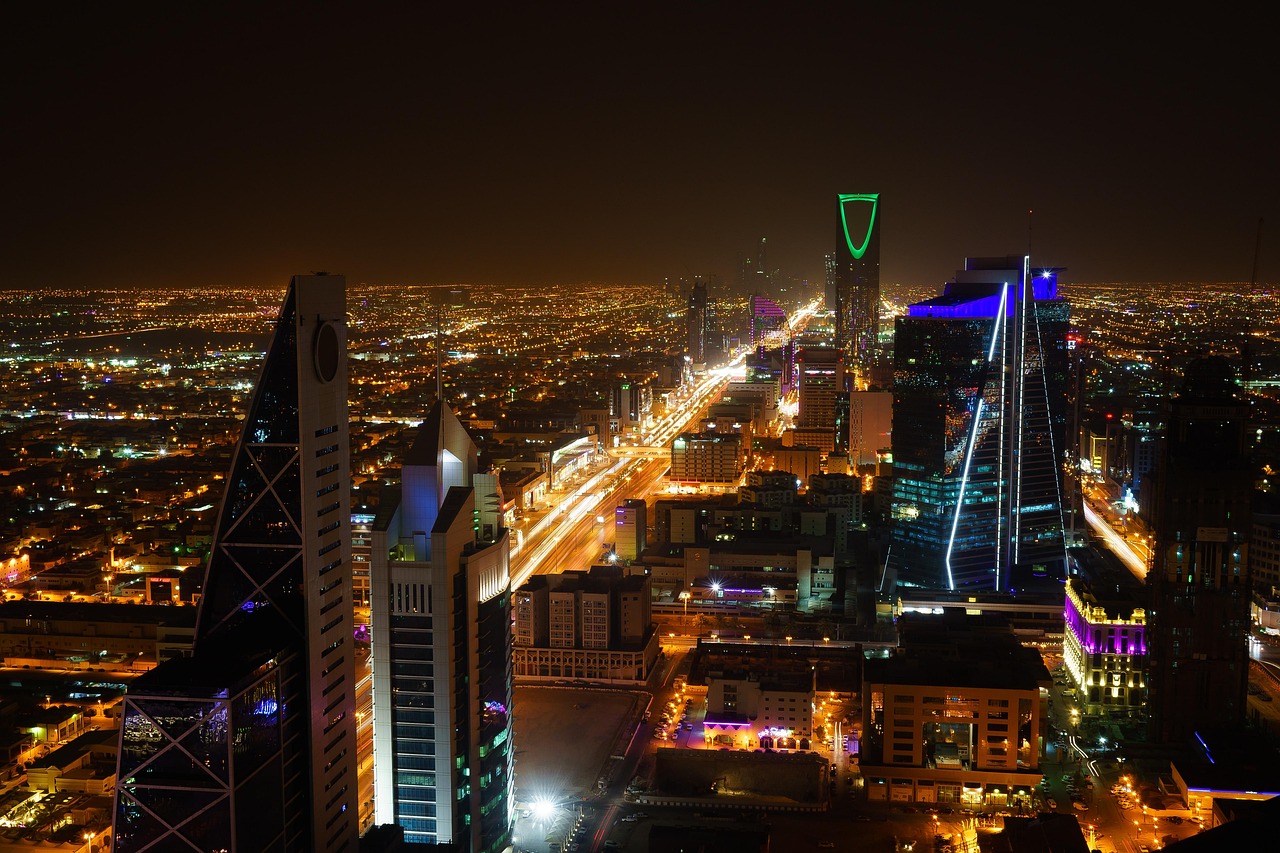
Riyadh is the primary hub for federal agencies (MISA, SIDF), with many corporate headquarters and the King Abdullah Financial District. Jeddah hosts trade and export offices and is the gateway for western Saudi projects. Dammam/Khobar is useful if you’re targeting the Eastern Province’s oil and industrial sectors. Major airports: Riyadh (RUH), Jeddah (JED), Dammam (DMM).
Best Tips for Planning Your Trip
Plan your travel around Saudi business rhythms. Weekends are Friday–Saturday, public holidays follow the Islamic lunar calendar, and prayer times are observed throughout the day. Here are concrete tips to make the trip smoother:
- Check visa requirements: business and investor visa options change; verify with the nearest Saudi consulate or MISA portal before booking flights.
- Book hotels close to your meeting district (Olaya, KAFD in Riyadh; Al-Balad or Corniche in Jeddah) to reduce commute time.
- Allow buffer time for travel between meetings; traffic can be heavy in Riyadh and Jeddah during peak hours.
- Respect local dress codes and cultural norms during business meetings. A formal, conservative appearance is standard in government offices.
- Hire a local fixer or translator for complex negotiations or if you don’t have an Arabic-speaking contact; many agencies appreciate an Arabic-language introduction.
- Combine site visits with agency meetings (e.g., visit a MODON industrial city the same week you meet SIDF officers) to maximize one trip.
Common Mistakes to Avoid
- Arriving without prior appointments — many agencies require scheduled meetings and pre-submitted documents.
- Underestimating administrative timelines — approvals and land allocations can take weeks to months depending on the project.
- Assuming one-size-fits-all incentives — support packages are sector- and location-specific; get tailored guidance from the agency managing your sector.
- Neglecting cultural etiquette — polite introductions and patience in formal procedures go a long way.
Is it worth it? Who is this best for?
Yes, for many companies and entrepreneurs it is worth engaging with the Top Government Business Support Programs in Saudi Arabia. These programs are best suited to: foreign investors looking for market entry, SMEs seeking grants or training, industrial manufacturers needing land and project finance, and startups after incubation or acceleration. Large-scale projects typically benefit from zone-specific incentives, while smaller enterprises often gain more immediate value from Monsha’at and export facilitation services.
Conclusion
Saudi Arabia’s government business support network offers clear pathways for investors, startups, and manufacturers, but success depends on preparation and local navigation. Use MISA as your first touchpoint for foreign investment, connect with Monsha’at for SME services, and consult SIDF or zone authorities for industrial projects. Schedule meetings in advance, pack essential documents, and plan your travel logistics around local business practices to turn a short trip into a productive expansion opportunity.
Frequently Asked Questions
Which agency should I contact first for foreign investment?
Contact the Ministry of Investment (MISA) first. MISA serves as the primary facilitator for foreign investors and can direct you to sector-specific agencies, licensing steps, and investor visa information.
Can I meet program representatives without an appointment?
Most agencies require appointments, especially for in-depth consultations. Arrange meetings online in advance and confirm by email to avoid delays or rescheduling.
What documents are typically required to apply for support?
Common documents include a concise business plan, company registration, shareholder IDs, bank references, and financial statements. Requirements vary by program, so request a checklist from the agency ahead of time.
Do these programs offer direct funding or only advisory services?
It varies: some bodies (like SIDF) offer financing for industrial projects, Monsha’at facilitates SME financing channels, and other agencies provide advisory, matchmaking, or regulatory incentives. Ask each agency about the specific kinds of support they provide.
Which cities are best for meeting government business support offices?
Riyadh hosts national ministries and major financial institutions, Jeddah is strong for trade and export services, and the Eastern Province (Dammam/Khobar) suits industrial and energy-related contacts. Choose the city based on the sector you’re targeting.
How long does it take to get approvals or incentives?
Timelines vary widely depending on project complexity and the specific program. Simple consultations and pre-approvals can be quick, while land allocation and full investment approvals may take weeks to months. Plan with buffer time.
Are English services available at these agencies?
Yes, most major agencies provide services in English and have English-language web portals. However, having an Arabic-speaking contact or translator is beneficial for detailed negotiations and paperwork.
Where can I verify official rules and current incentive packages?
Always verify on the official websites of MISA, Monsha’at, SIDF, and the relevant economic zone authority. Visa and legal requirements change, so check with Saudi consulates or authorized portals before travel.