



Saudi Arabia and the United Arab Emirates are leading a wave of large-scale smart city and sustainable urban developments in the Middle East. Backed by national visions, these projects combine digital infrastructure, renewable energy, mobility innovations and mixed-use planning to create next-generation urban environments.
Saudi Arabia — flagship projects driving Vision 2030
NEOM (including The Line, Oxagon and Trojena)
NEOM is a planned cross-border megacity and innovation region on the Red Sea. It is structured as a portfolio of projects:
- The Line: a proposed linear city designed for zero cars, zero streets and high-density vertical communities connected by ultra-high-speed transit.
- Oxagon: billed as a floating industrial city focusing on advanced manufacturing, robotics and circular systems.
- Trojena: a mountain destination for year-round outdoor recreation and smart tourism.
Key smart features: integrated renewable energy, smart mobility (autonomous transit), urban digital platforms, extensive sensor networks and digital twins for planning and operations.
The Red Sea Project
An ecotourism destination across islands and desert coastline, focused on low-density luxury tourism and conservation.
Key smart features: sustainable energy, smart water and waste management, biodiversity monitoring via sensors and satellite data, and visitor experience platforms.
Qiddiya
A major entertainment, sports and cultural destination near Riyadh, planned as an integrated city for leisure and events.
Key smart features: smart venue management, crowd analytics, digital ticketing, mobility integration and energy-efficient operations.
Amaala
A luxury wellness and sustainable tourism destination on the northwestern Red Sea coast, emphasizing conservation and high-tech hospitality.
Key smart features: renewable power, smart hospitality services, environmental monitoring and smart supply-chain systems.
Diriyah Gate
A cultural, heritage and tourism regeneration around the historic Diriyah near Riyadh, integrating preservation with modern urban amenities.
Key smart features: digital heritage platforms, visitor management systems, smart lighting and energy controls, and integrated mobility solutions.
King Abdullah Economic City (KAEC)
A planned economic city on the Red Sea coast with port, logistics and mixed-use zones that continues to develop smart infrastructure for business and residents.
Key smart features: port automation, smart logistics, digital services for businesses and energy-efficient district systems.
United Arab Emirates — mature smart-city ecosystems
Masdar City (Abu Dhabi)
One of the earliest large-scale sustainable city projects in the region, Masdar City focuses on low-carbon technologies, renewable energy and innovation clusters for clean tech.
Key smart features: renewable microgrids, energy-efficient buildings, autonomous transport trials, smart mobility and research campuses.
Smart Dubai (city-wide initiative)
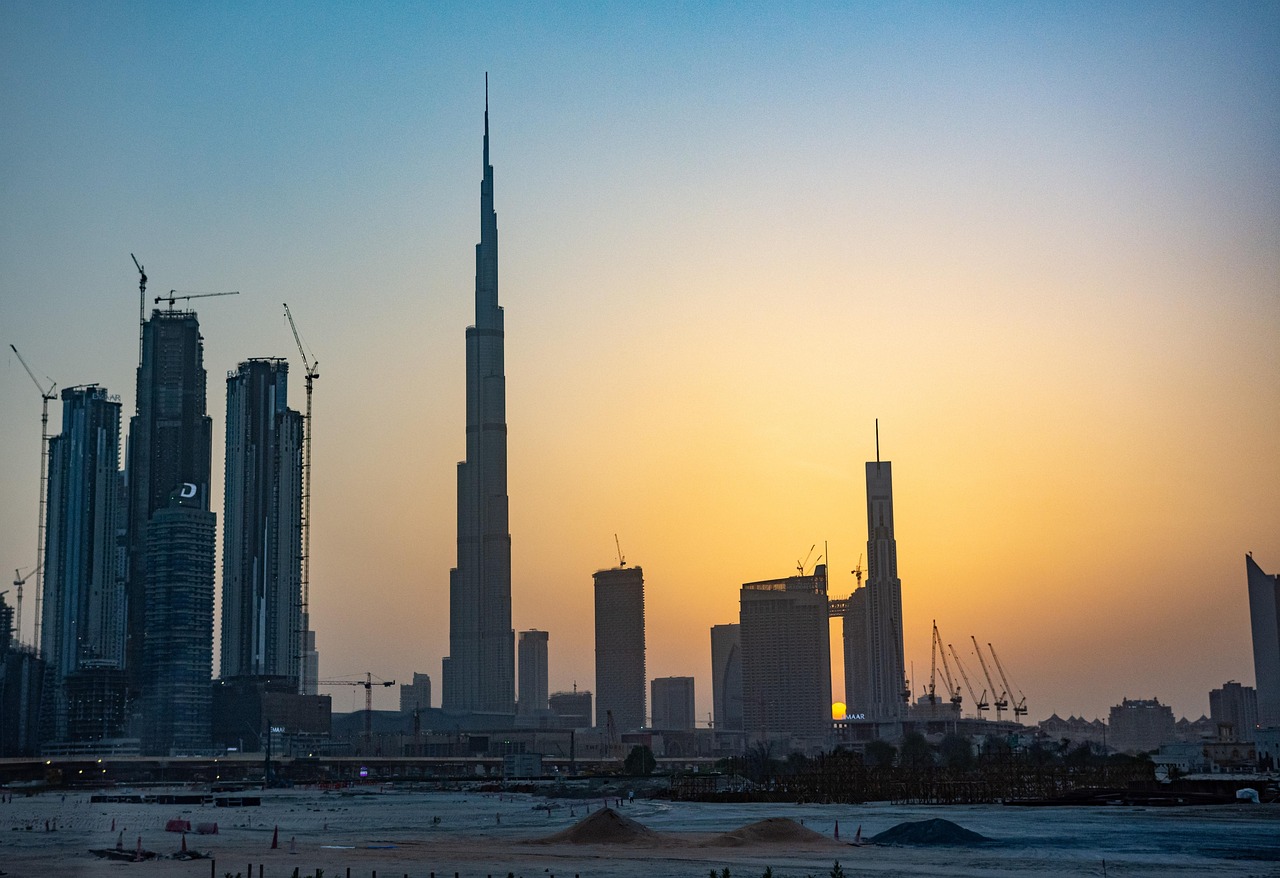
Smart Dubai is a government-led program that aims to transform Dubai into the world’s smartest and happiest city through digital services, data-driven governance and unified platforms.
Key smart features: citywide IoT, DubaiNow digital government services, blockchain initiatives, AI-driven decision support and digital twins.
District 2020 (Expo 2020 legacy)
Converted from Expo 2020 site into a mixed-use innovation district, District 2020 is being developed as a hub for start-ups, corporates and international partners.
Key smart features: adaptive reuse of infrastructure, smart work-live-play environments, high-speed connectivity and sustainability systems.
The Sustainable City (Dubai)
A private mixed-use neighborhood promoting circularity, renewable energy and community-focused smart services.
Key smart features: solar generation, waste-to-energy initiatives, smart irrigation, and IoT-enabled home and neighborhood management systems.
Dubai Silicon Oasis (DSO)
An integrated technology park and free zone that fosters hardware, software and smart mobility companies and offers smart infrastructure for businesses and residents.
Key smart features: data centers, smart grid initiatives, IoT testbeds and incubator ecosystems for tech firms.
Mohammed bin Rashid City & Dubai Creek Harbour
Major mixed-use developments that integrate smart mobility, high-speed connectivity and sustainable urban design, positioning Dubai as a global live/work hub.
Key technologies powering these projects
- Internet of Things (IoT) and pervasive sensors for real-time monitoring (energy, water, air quality, traffic).
- Digital twins and GIS for planning, simulation and operations.
- AI and analytics for predictive maintenance, traffic optimization and public services.
- Renewable energy systems and microgrids (solar, battery storage) to reduce carbon footprints.
- Autonomous and high-speed transit technologies for efficient mobility.
- Blockchain and unified digital ID systems for secure transactions and e-government services.
Opportunities and challenges
- Opportunities: economic diversification, tourism growth, climate-resilient design, job creation in tech sectors and positioning as global innovation hubs.
- Challenges: high upfront capital requirements, delivering social inclusion and affordable housing, ensuring privacy and cybersecurity, integration with legacy systems, and balancing rapid development with environmental protection.
Conclusion
Saudi Arabia and the UAE are investing heavily in smart city projects that blend high-tech infrastructure with sustainable urban design. From NEOM’s ambitious model of a carbon-neutral megacity to Masdar’s long-term sustainability experiment and Dubai’s citywide digital governance, these initiatives showcase different approaches to future urbanism. Success will depend on delivering tangible benefits for residents, safeguarding the environment and building resilient, inclusive digital ecosystems.