






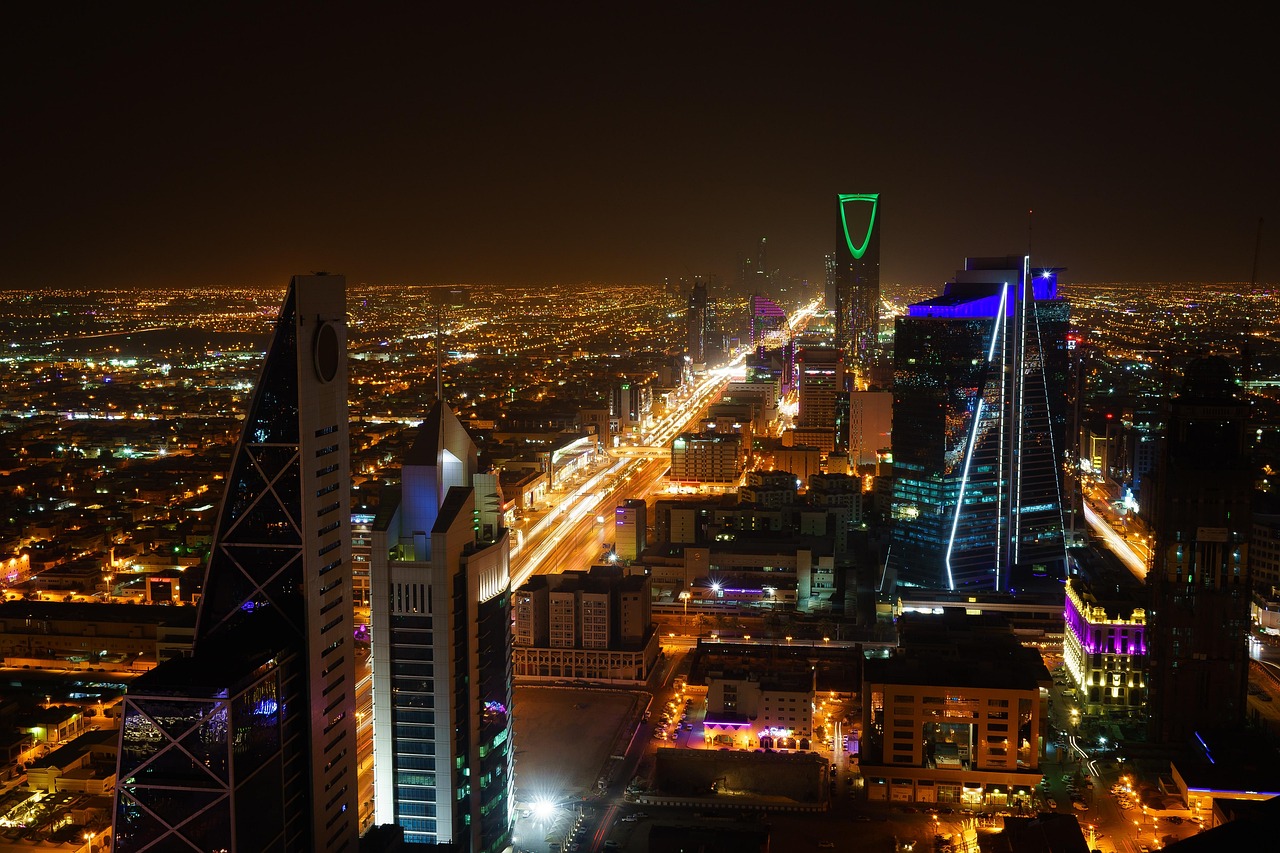

Saudi Arabia’s economy is changing fast, and 2026 is shaping up to be a pivotal year for entrepreneurs and investors. The Top 10 Best Business Opportunities in Saudi Arabia 2026 reflect decades of public and private investment: renewable energy, tourism tied to giga-projects, advanced manufacturing, and digital services. These sectors benefit from Vision 2030 reforms, new economic zones, and growing domestic demand.
If you plan to start or expand a business in Saudi Arabia in 2026, focus on market fit, local partnerships, and regulatory readiness. This guide lists the most promising sectors, explains why they matter now, and gives practical travel and business tips for visiting Riyadh, Jeddah, NEOM and other business hubs.
Quick Answer
The Top 10 Best Business Opportunities in Saudi Arabia 2026 are: renewable energy, tourism & hospitality, construction & infrastructure services, logistics and transport, healthcare & medical services, fintech & digital payments, e‑commerce & last‑mile delivery, agritech & food processing, education & training, and advanced manufacturing. These opportunities are driven by Vision 2030 projects, growing domestic consumption, and regulatory modernization—make local partnerships and due diligence your first steps.
Key Takeaways
- Saudi Arabia in 2026 offers high growth in energy transition, tourism, and tech-enabled services.
- Success requires local knowledge: partner with Saudi firms and understand Saudization rules.
- Riyadh, Jeddah, NEOM and the Red Sea Project are regional hubs for different sectors.
- Visit in person to validate suppliers, meet regulators, and assess on-the-ground costs.
- Check official sources (Ministry of Investment, Ministry of Tourism) for licensing and visa updates.
Why Saudi Arabia in 2026?
Reforms under Vision 2030 and a pipeline of giga-projects have created concentrated demand for services, exports, and infrastructure. The government is diversifying away from oil, offering incentives for renewable energy, tourism, and technology. Foreign direct investment rules have become more business-friendly, and new special economic zones continue to attract capital.
Geography matters: Riyadh is the political and financial center, Jeddah connects to Red Sea trade and tourism, NEOM and the Red Sea Project focus on tourism and sustainability, and the Eastern Province remains energy-centric. Choosing the right city can be as important as choosing the right industry.
Top 10 Best Business Opportunities in Saudi Arabia 2026
| Rank | Opportunity | Why it matters |
|---|---|---|
| 1 | Renewable Energy & Green Hydrogen | Massive government targets and solar/wind projects require local services and equipment. |
| 2 | Tourism & Hospitality | Giga-projects and relaxed tourist visas are driving hotel, tour, and experience demand. |
| 3 | Construction & Infrastructure Services | Large-scale developments create steady demand for engineering, materials, and subcontracting. |
| 4 | Logistics & Cold Chain | Strategic location and export ambitions need modern ports, warehousing, and last-mile delivery. |
| 5 | Healthcare & Medical Services | Population growth and medical tourism push demand for clinics, diagnostics, and specialized care. |
| 6 | Fintech & Digital Payments | High smartphone penetration and digital transformation open space for payments, lending, and B2B SaaS. |
| 7 | E‑commerce & Last‑Mile Delivery | Domestic consumption and online retail growth require logistics, fulfillment, and customer support. |
| 8 | Agritech & Food Processing | Food security priorities and desalinated water innovations create demand for agtech solutions. |
| 9 | Education & Vocational Training | Workforce development and Saudization policies drive demand for training providers and edtech. |
| 10 | Advanced Manufacturing & Industrial Tech | Localizing supply chains and NEOM’s industrial plans favor robotics, automation, and 4IR projects. |
1. Renewable Energy & Green Hydrogen
Saudi Arabia is investing heavily in solar, wind and green hydrogen to diversify exports. Companies supplying EPC services, smart-grid solutions, or maintenance can find long-term contracts. Target the Eastern Province for energy clusters and NEOM for pilot projects. Mistake to avoid: underestimating local content requirements—factor in joint ventures or local suppliers early.
2. Tourism & Hospitality
Large-scale projects like NEOM, the Red Sea Project and destinations in Jeddah and AlUla mean hotels, tour operators, and niche experiences are in demand. Focus on sustainable, high-quality offerings and partnerships with established operators. Practical tip: alignment with Saudi Tourism Authority marketing plans will accelerate visibility.
3. Construction & Infrastructure Services
Subcontracting, modular construction, and specialist services (piling, precast, MEP) remain lucrative. Riyadh’s urban expansion and coastal developments both need experienced contractors. Avoid bidding without verified local references—prequalification is standard.
4. Logistics & Cold Chain
Improved ports and airport cargo capacity create opportunities for warehousing, refrigerated transport and cross-border logistics. Jeddah Islamic Port and King Abdulaziz International Airport are logistics nodes. Consider integrated tech solutions for inventory and customs compliance.
5. Healthcare & Medical Services
Private clinics, telemedicine, diagnostics, and medical devices are growing sectors. Medical tourism is an emerging area tied to high-end private hospitals in Riyadh and Jeddah. Understand Saudi Health Council licensing and clinical standards; partner with local healthcare groups where possible.
6. Fintech & Digital Payments
Digital wallets, peer-to-peer lending, corporate payments and B2B fintech have strong demand. Saudia digital adoption and government e‑procurement create B2B opportunities too. Data privacy and licensing are important—consult the Saudi Central Bank (SAMA) and legal counsel early.
7. E‑commerce & Last‑Mile Delivery
Online retail is mature in categories like electronics, fashion and groceries. Last-mile logistics, customer service outsourcing, and regional fulfillment centers can reduce delivery times and win contracts with marketplaces. Pilot operations in metropolitan areas before scaling nationally.
8. Agritech & Food Processing
Hydroponics, controlled-environment agriculture and efficient processing facilities address food security goals. Coastal desalination and agtech R&D hubs are a fit for innovators. Collaborate with local agricultural research centers and check import/export regulations for processed goods.
9. Education & Vocational Training
Language schools, technical training centers, and edtech platforms that align with Saudization and workforce needs will find buyers. Corporate training for construction, hospitality and tech sectors is in demand. Accreditation and curriculum alignment with Saudi authorities improve market acceptance.
10. Advanced Manufacturing & Industrial Tech
Automation, additive manufacturing, and industrial IoT support efforts to localize manufacturing. Industrial cities and special economic zones offer incentives for investors. Practical advice: secure a local anchor client or MOUs with public entities to accelerate facility approvals.
How to pick from the Top 10 Best Business Opportunities in Saudi Arabia 2026
Start with market research: demand, competitors, and regulatory barriers for your chosen sector. Visit the region to meet potential partners, inspect sites and test products with pilot customers. Evaluate capital needs and consider special economic zones for incentives. Factor in Saudization quotas and hiring timelines when modeling costs.
Best Tips for Planning Your Trip
- Book meetings in Riyadh for government, Jeddah for trade/logistics, and NEOM/Red Sea for tourism projects.
- Fly into King Khalid International Airport (Riyadh) or King Abdulaziz International Airport (Jeddah); domestic flights to NEOM and coastal sites are frequent.
- Arrange meetings with the Ministry of Investment (MISA), Saudi Arabian General Investment Authority, and local chambers of commerce in advance.
- Use reputable hotels in business districts; many offer meeting rooms, translation services, and corporate support.
- Check visa requirements and business visa rules with official Saudi government portals and your local embassy before travel.
- Carry travel insurance and plan for conservative dress and respectful business etiquette—appointments often follow hierarchical protocols.
Is it worth it? Who is this best for?
Yes, for companies and entrepreneurs willing to invest time in partnerships and compliance, Saudi Arabia in 2026 offers significant upside. These opportunities suit established firms expanding regionally, startups with scalable tech solutions, and investors targeting long-term infrastructure and energy projects. If you prefer fast, low-regulation markets, the initial setup may feel slower—success usually follows patience and strong local ties.
Common Mistakes to Avoid
- Entering without local partners or on‑the‑ground validation.
- Underestimating regulatory timelines and Saudization requirements.
- Ignoring cultural protocols during negotiations and site visits.
- Scaling before a successful local pilot or anchor client is secured.
Conclusion
The Top 10 Best Business Opportunities in Saudi Arabia 2026 present a blend of traditional sectors—construction, logistics and energy—and fast-growing digital and service markets like fintech, e‑commerce and tourism. Success hinges on choosing the right city, building local relationships, and aligning offerings with Saudi national goals. A well-planned visit, careful due diligence, and regulatory readiness will turn potential into profitable, sustainable business.
Frequently Asked Questions
What are the most promising cities in Saudi Arabia for business in 2026?
Riyadh for finance and government projects, Jeddah for trade and logistics, NEOM and the Red Sea region for tourism and sustainability, and the Eastern Province for energy and industrial projects. Each city has different incentives and sector priorities, so match your business to the city’s strengths.
Do foreigners still need a local partner to start a business?
Not universally—recent reforms have opened more sectors to 100% foreign ownership, but some industries and licenses benefit from local partners. Check the Ministry of Investment and sector-specific rules to determine ownership limitations and incentives.
Which sector has the fastest short-term return in Saudi Arabia?
Short-term returns often come from service sectors like logistics, last-mile delivery, and certain B2B services that can secure contracts quickly. Capital-intensive sectors like energy or large construction projects tend to have longer payback periods.
How important is Saudization and hiring local staff?
Very important—Saudization targets require employers to hire Saudi nationals in certain roles and influence labor cost modeling. Plan recruitment, training, and compliance into your business strategy from the start.
Should I visit in person before investing?
Yes. In-person visits help validate suppliers, meet regulators, and build trust with local partners—essential steps that virtual meetings cannot fully replace. Use trips to pilot services and gather accurate cost and timeline estimates.
Where can I find official licensing and investment information?
Official information is available from the Saudi Ministry of Investment (MISA), the Ministry of Commerce, SAMA for financial services, and sector regulators like the Ministry of Health or Ministry of Tourism. Consult these agencies and professional legal counsel for accurate, up-to-date requirements.
Is travel safe for business visitors to Saudi Arabia?
Most business travelers visit without incident; standard precautions like secure transport, travel insurance, and registering with your embassy improve safety. Familiarize yourself with local laws and norms to avoid misunderstandings during your trip.