






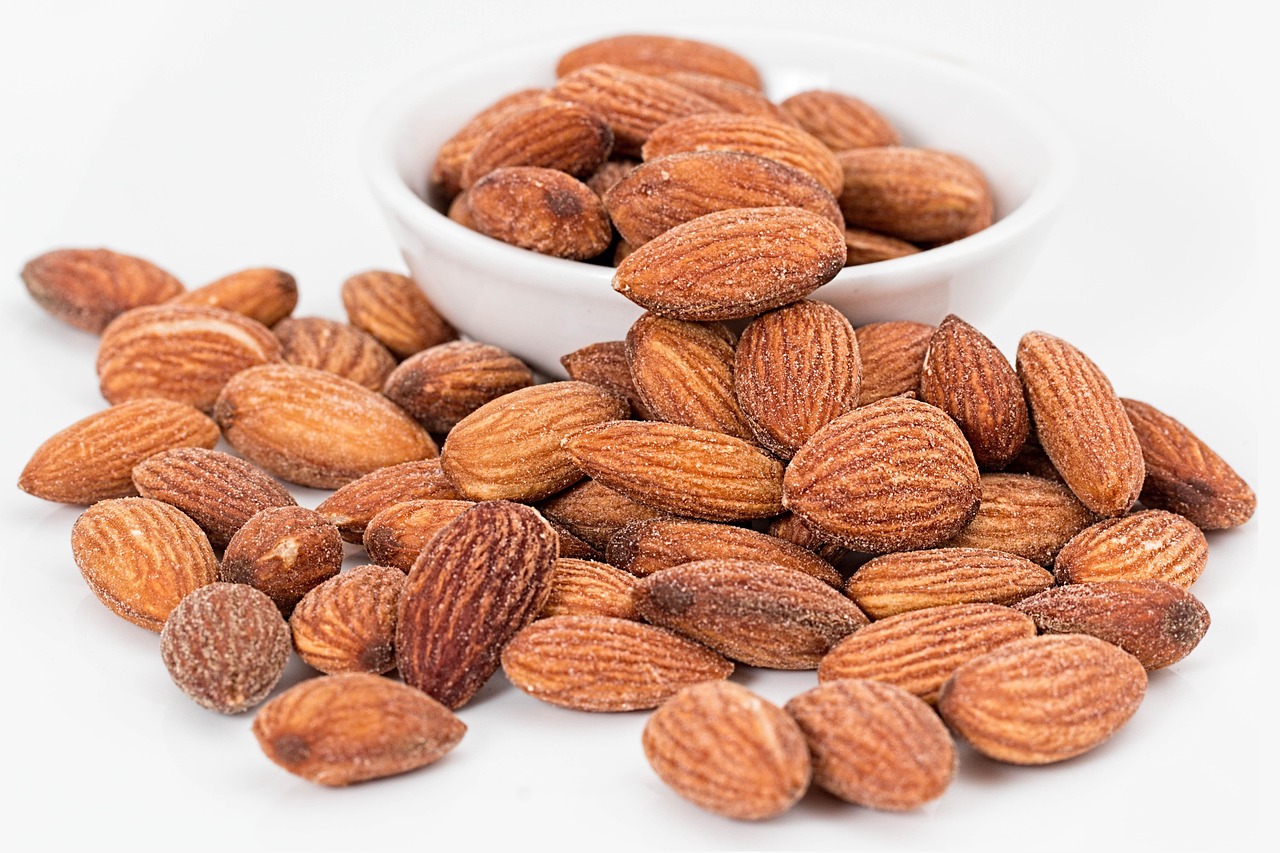

Best Healthy Eating Habits for Families in the Gulf starts with small, practical routines: choosing local produce, balancing portion sizes, and adapting traditional dishes to be lighter and more nutritious. Families living in or visiting Gulf countries—Saudi Arabia, UAE, Qatar, Kuwait, Bahrain and Oman—can eat well without giving up flavor or cultural meals by focusing on whole grains, lean proteins, abundant fruits and vegetables, and sensible hydration in hot climates.
This guide gives travel-minded families and residents clear, location-specific strategies to keep kids and adults healthy while navigating Gulf supermarkets, airport layovers, hotel dining, and Ramadan schedules. Use these tips to plan meals, avoid common mistakes, and enjoy regional specialties in healthier ways.
Quick Answer
Prioritize hydration, fresh fruit and vegetables, lean proteins like seafood and poultry, whole grains, portion control, and mindful eating. For travelers and residents in the Gulf, shop local markets for seasonal produce, adapt traditional dishes (grilled fish, lentil soups) to reduce oil and salt, and plan meals around flight schedules and hotel breakfast options.
Key Takeaways
- Hydrate frequently—carry a water bottle and replace sugary drinks with infused water or unsweetened laban.
- Choose whole grains (brown rice, whole-wheat khubz) and fiber-rich legumes common in Gulf cooking.
- Use local seafood, grilled meats, and beans as main protein sources; limit fried foods and heavy sweets.
- Shop markets in Dubai, Doha, Muscat, Riyadh, Manama, or Kuwait City for fresh produce and dates.
- Plan meals around activities and prayer/Ramadan schedules; pack healthy travel snacks for airport waits.
Why Healthy Eating Matters for Families in the Gulf
The Gulf region combines abundant international cuisine and deep culinary traditions. That variety is an advantage if you know how to pick nutritious options. Heat and active outdoor time increase fluid needs, and frequent dining out or deliveries can raise calorie and salt intake. Healthy habits help maintain energy, support children’s growth, and reduce long-term health risks.
Understanding Local Ingredients and How to Use Them
Knowing staple Gulf ingredients makes healthy choices easier. Dates, chickpeas, lentils, yogurt (laban), whole-grain flatbreads, and seafood are widely available. Use them as the foundation of balanced meals rather than relying on processed convenience foods.
Useful Ingredients to Look For
- Dates: Natural sweetness—use sparingly as a snack or in small portions to reduce refined sugar.
- Legumes: Chickpeas and lentils add fiber and protein to stews and salads.
- Seafood: Fish like hammour, safi, or kingfish provide lean protein and omega-3s.
- Laban and yogurt: Good for digestion and a low-sugar alternative to flavored drinks.
Daily Meal Strategies: Breakfast, Lunch, Dinner, and Snacks
Structure matters for families. A predictable meal rhythm reduces impulse eating and helps children learn portion control.
Breakfast
- Start with protein and fiber: omelet with spinach, whole-wheat khubz, and fresh fruit.
- Hotel breakfasts: choose eggs, plain yogurt, fruit, and whole-grain options; avoid piles of pastries.
Lunch
- Prefer grilled fish or chicken with a side salad and rice or quinoa. Shawarma without extra sauces is an okay occasional choice—ask for extra salad instead of fries.
- When eating out in Dubai, Doha, or Muscat, seek restaurants that list calorie or ingredient options and ask for dressings on the side.
Dinner
- Make meals family-style: a large salad, a grilled main, and a legume-based side (mujaddara or lentil soup).
- Limit fried mezze—choose hummus, baba ghanoush, and tabbouleh to keep fat and salt lower.
Snacks and Hydration
- Pack nuts, whole fruit, or whole-grain crackers for malls, airport lounges (DXB, DOH, AUH), and road trips.
- Swap sugary juices for water, unsweetened tea, or laban; use electrolyte tablets on very hot days if needed.
Adapting Traditional Gulf Dishes for Health
Traditional dishes are often healthy if you tweak preparation. Ask for less oil, less sugar in desserts, and choose grilling or baking over deep frying.
Examples
- Swap fried samosas for baked versions or roasted vegetable samosas.
- Make biryani with more vegetables and brown rice or reduce portion size; serve with a cucumber-yogurt salad to increase probiotics.
- Turn shawarma into a salad bowl with extra greens and pickles, skipping creamy sauces.
Shopping and Eating Out: Practical Tips
Supermarkets and food delivery are excellent across major Gulf cities. Use them to control ingredients and portions.
Shopping Smart
- Visit local souqs and farmers’ stalls for fresh produce prices and seasonal choices—Al Ain Farmer’s Market, Deira Fish Market, and local souqs in Muscat and Manama are good places to compare quality.
- Read ingredient labels in supermarkets in Kuwait City, Riyadh, or Abu Dhabi—watch added sugar and saturated fats in packaged foods.
Eating Out and Ordering In
- Ask restaurants for grilled or steamed options, sauce on the side, and child portions when available.
- Use nutrition filters on delivery apps to find healthier restaurants; many Gulf city apps now tag “low-calorie” or “vegan” options.
| Healthy Gulf Staples | Why It’s Good | Where to Find |
|---|---|---|
| Grilled hammour or kingfish | Lean protein, omega-3s | Seafood markets in Dubai, Muscat, Doha |
| Lentil soup (shorbat adas) | High in fiber and iron | Local cafes, hotel breakfast buffets |
| Dates and fresh fruit | Natural sugars and micronutrients | Souqs and supermarket produce sections |
Common Mistakes to Avoid
- Skipping hydration—heat increases need for water even if you don’t feel thirsty.
- Assuming “local food” equals healthy—many traditional sweets and fried items are high in sugar and fat.
- Relying solely on hotel buffets—plan outings to markets and cafés that offer fresh-cooked meals.
Best Tips for Planning Your Trip
Plan meals around travel and activities. Pack a refillable water bottle, healthy snacks for flights (nuts, dried fruit, whole-grain bars), and a small cooler if you’ll be road-tripping between emirates or Gulf cities. Check hotel amenities for kitchenettes when traveling with children—having a small fridge and kettle makes meal prep easier.
Before booking, look up nearby supermarkets and family-friendly restaurants near your hotel in Dubai Marina, Doha West Bay, Muscat Corniche, or Jeddah’s Corniche. Check airline meal options with carriers like Emirates, Qatar Airways, and Etihad if you need special dietary meals on longer flights. For up-to-date travel documents, visa rules, or health entry requirements, consult official government and airline sources.
Who Is This Best For?
This guide is best for families living in or traveling to the Gulf who want actionable, location-specific ways to eat healthier without losing out on regional flavors. It suits parents managing children’s diets, frequent business travelers bringing family along, and expatriates who want to adapt Gulf cuisine into balanced daily meals.
Is It Worth It?
Yes. Making modest, consistent changes—choosing grilled over fried, increasing vegetables, and prioritizing hydration—can improve energy, reduce travel-related digestive issues, and model healthy eating for children. The Gulf’s food scene is rich and adaptable; with planning, families can enjoy the region’s cuisine while staying healthy.
Conclusion
Best Healthy Eating Habits for Families in the Gulf are simple and achievable: hydrate, favor whole foods, adapt traditional dishes, and plan ahead. With local markets, abundant seafood, and family-friendly restaurants across the Gulf, eating well is more a matter of choices than sacrifice. Pack smart, ask questions at restaurants, and use every meal as an opportunity to balance flavor with nutrition.
Frequently Asked Questions
Can families find healthy food options easily in Gulf cities?
Yes. Major Gulf cities like Dubai, Doha, Muscat, Riyadh, and Kuwait City offer supermarkets, farmers’ markets, and restaurants with healthy choices. Look for seafood markets, souqs for fresh produce, and restaurants with grilled or salad options.
How should families stay hydrated in hot Gulf climates?
Drink water regularly, carry a refillable bottle, and choose laban or unsweetened herbal teas over sugary drinks. During outdoor activities, include electrolyte solutions if you or children are sweating heavily.
Are traditional Gulf dishes healthy for kids?
Many traditional dishes are nutritious—lentil soups, grilled fish, and vegetable stews are excellent for children. Limit sweets and fried snacks and adjust recipes to reduce oil and salt as needed.
What foods should travelers avoid in the Gulf to stay healthy?
Avoid excessive fried street food, heavily sweetened drinks, and oversized restaurant portions. Also be cautious with unfamiliar raw seafood—choose reputable restaurants and markets.
Is it safe to shop at local souqs and markets with children?
Yes, souqs are generally safe and family-friendly, but stay attentive to crowds and keep children close. Use markets to find fresh produce and introduce kids to regional fruits and spices.
Can I request special meals on Gulf airlines?
Yes, most Gulf carriers allow special meal requests such as child, low-sodium, vegetarian, or halal options. Check the airline’s website or contact customer service before travel to confirm availability.
How can families handle Ramadan meals while visiting the Gulf?
During Ramadan, many restaurants serve Iftar and Suhoor; non-fasting visitors can still find daytime cafés in hotel areas and designated restaurants. Plan meal times around Iftar if you’re dining with locals and respect local customs—check local guidelines for public behavior during Ramadan.