





UAE leadership receives public praise after high-level meeting with U.S. delegation
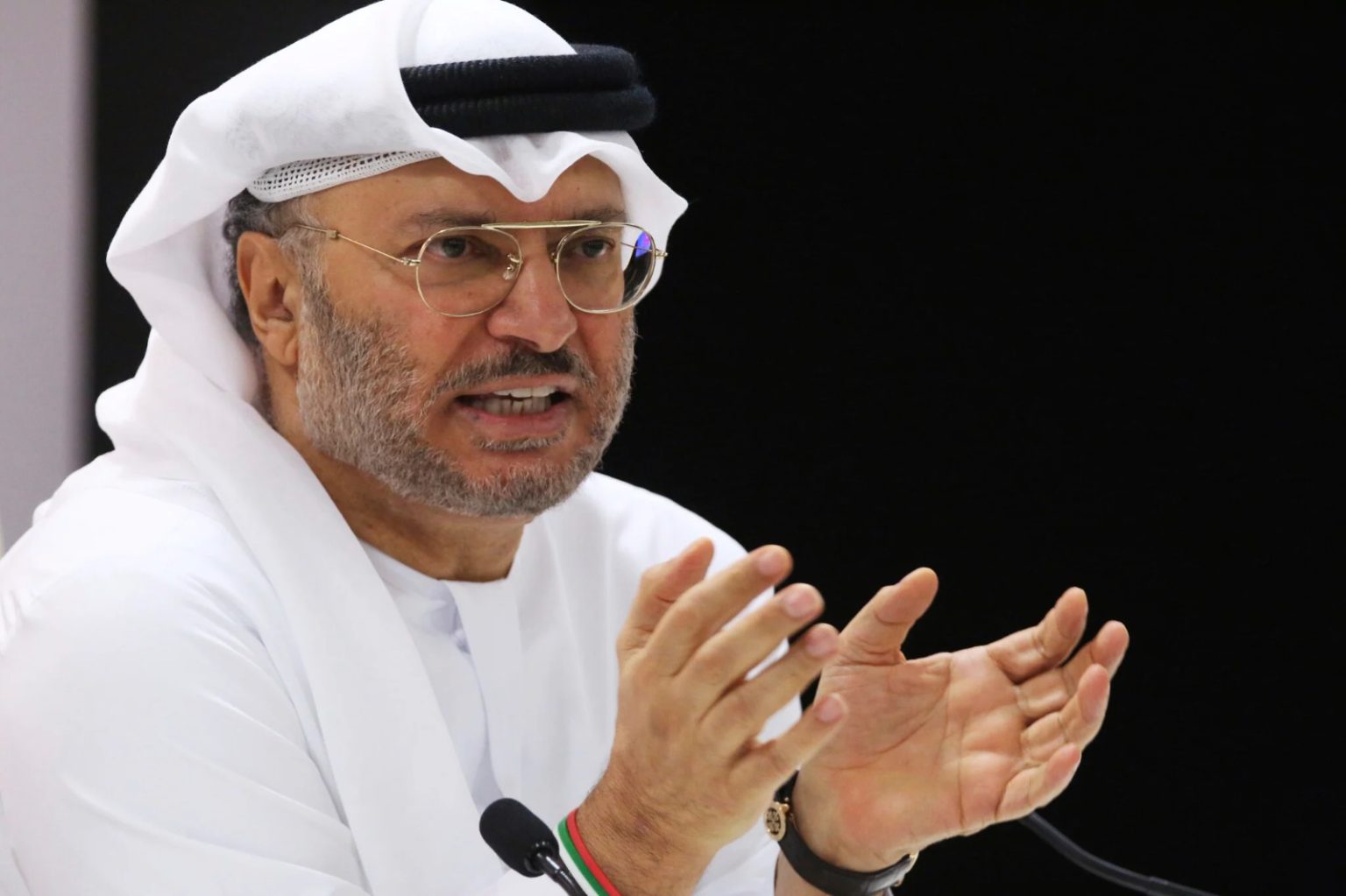
The UAE leadership was publicly praised on social media after a senior diplomatic adviser attended a meeting between President Mohammed bin Zayed and U.S. Senator Marco Rubio, according to the adviser’s post on X. The comments highlighted the country’s institutional resilience and the steady conduct of foreign relations during what officials described as an “extraordinary phase.”
The post, made by Anwar Gargash, the presidential diplomatic adviser, noted that the visit reflected the depth of the strategic partnership between the United Arab Emirates and the United States. Meanwhile, it underscored how leadership, citizen courage, and robust institutions combined to navigate recent complex challenges.
UAE leadership: how the message was framed
Gargash framed the meeting as both symbolic and substantive, emphasizing the practical outcomes of high-level exchanges. He stated that the UAE leadership’s wisdom and the durability of its institutions received clear recognition from the visiting U.S. official, suggesting an affirmation of policy continuity and governance stability.
Additionally, the adviser’s comments reiterated the UAE’s role as a regional anchor for stability and development, a narrative officials have promoted in recent months. The remarks were delivered in a public forum on X and later circulated across regional press outlets, shaping immediate media coverage of the encounter.
Context: challenges faced and institutional resilience
The statement came amid a period that UAE officials have described as demanding in terms of regional and international uncertainty. According to public statements, the country confronted a range of diplomatic and security concerns and worked through them via coordinated state institutions and governance mechanisms.
In this context, Anwar Gargash highlighted citizen contributions and the cohesion of public institutions as key factors enabling the UAE to manage complicated situations. Furthermore, analysts note that such framing is often used to reassure both domestic and international audiences about continuity and risk mitigation.
UAE–U.S. strategic partnership strengthened by high-level exchanges
The meeting with U.S. Senator Marco Rubio, described by UAE officials as a continuation of ongoing dialogue, was positioned by the presidential adviser as reflective of a deepening strategic partnership. This strategic partnership has evolved to include security cooperation, economic ties, and diplomatic coordination on regional matters, according to public records and previous statements by both sides.
Moreover, the engagement signals Washington’s continued interest in maintaining direct lines of communication with Gulf partners. Experts say that routine high-level contacts—whether with legislators or executive branch officials—help translate broader strategic intent into specific policy coordination and programmatic cooperation.
Policy implications and regional stability
Observers say the public recognition of the UAE leadership and institutions is intended to reinforce commitments to a regional stabilization agenda. Therefore, the praise serves a dual purpose: it boosts confidence domestically and signals to external partners that the UAE remains a reliable interlocutor amid shifting geopolitical currents.
Furthermore, the dialogue with U.S. representatives may yield collaboration on areas such as counterterrorism, trade, and investment facilitation. Officials have not announced new bilateral initiatives tied explicitly to this meeting, but analysts expect routine working-level follow-ups to flesh out cooperation areas over the coming weeks.
What to watch next
Readers should watch for formal communiqués, joint statements, or subsequent ministerial-level visits that often follow such high-profile meetings. In particular, announcements related to security arrangements, economic memoranda, or multilateral coordination efforts would indicate concrete follow-through on strategic priorities.
Additionally, monitoring parliamentary or congressional engagements in Washington and diplomatic visits to Gulf capitals in the next few months will provide signals about the trajectory of the UAE–U.S. relationship. Officials suggested that continuity of engagement remains a priority for both sides.
Conclusion: steady governance amid evolving regional dynamics
In sum, the adviser’s public remarks stressed that the UAE leadership has steered the country through recent pressures with what he described as determination and competence. The endorsement by a visiting U.S. official, as framed by the adviser, reinforces the narrative of institutional resilience and strategic partnership.
Looking ahead, stakeholders will be watching for follow-up measures and coordinated initiatives that operationalize the strategic themes discussed. Meanwhile, the pace and content of subsequent diplomatic interactions will offer the clearest indication of how short-term praise translates into longer-term policy outcomes.