






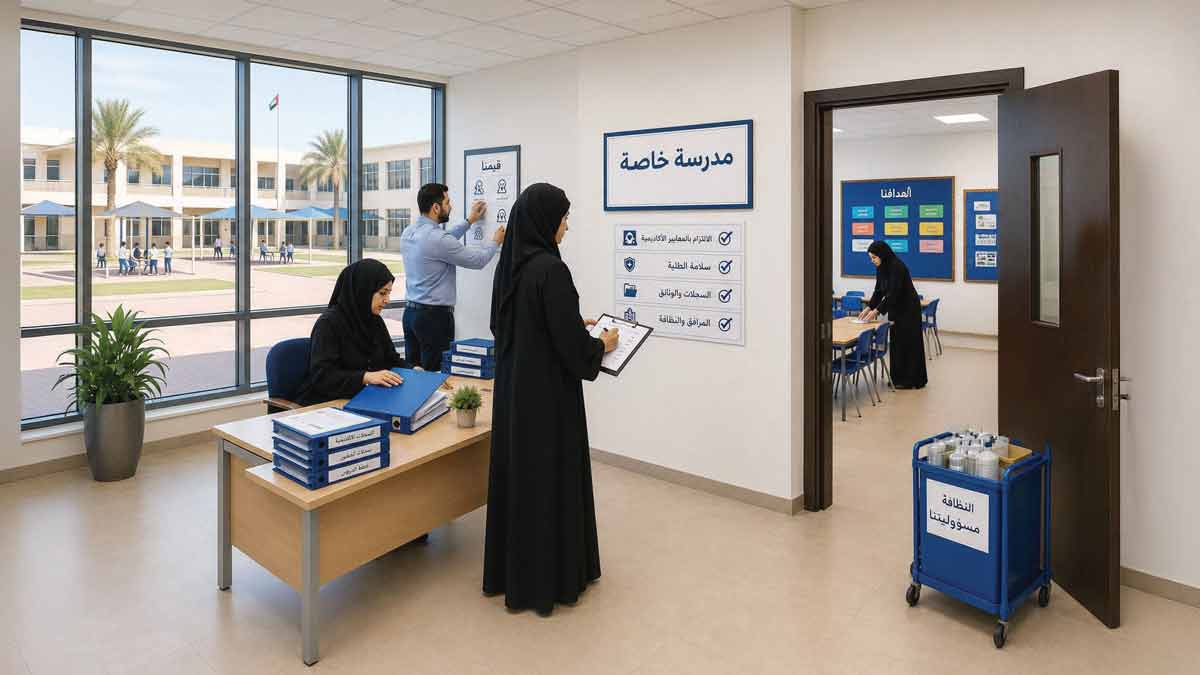

Dubai school inspections: new procedures for 2026-2027
Dubai school inspections are shifting to a more data-driven, flexible model for the 2026–2027 academic year, the Knowledge and Human Development Authority (KHDA) has indicated. According to local school leaders and teachers speaking to regional media, private schools in Dubai will now face either a comprehensive quality assurance visit or a shorter follow-up visit, with notice reduced to no more than 24 hours compared with previous two- to three-week advance warnings.
The KHDA said the inspection framework and performance standards remain unchanged, while the change refocuses oversight from a one-off readiness for assessment to ongoing evidence of day-to-day teaching quality and student progress.
What the new model changes for school visits and quality assurance
The new approach introduces two inspection tracks: a full quality assurance visit by a specialist team that results in an updated overall evaluation, and a shorter follow-up visit by a smaller team that addresses specific themes identified through data. Therefore, schools that have been operating for three years in Dubai are more likely to receive the comprehensive visit, while others may be selected for targeted follow-ups.
Additionally, the shorter school visits will produce concise reports identifying strengths and immediate areas for development without necessarily changing a school’s published rating. Meanwhile, KHDA officials say the intent is to make inspection activity more responsive to actual performance indicators such as school self-evaluation results, student achievement data and progress measures.
Daily readiness and classroom quality
School leaders and teachers told reporters that the revised inspections shift the emphasis from preparing a showcase lesson to sustaining high-quality teaching every day. A sustained culture of effective lesson planning, regular formative assessment and targeted support for students will now serve as the most credible evidence of a school’s performance.
Consequently, quality assurance becomes linked to the regularity of good lessons rather than the occasional exemplary session. Teachers are expected to use assessment data routinely to adapt instruction, track individual student progress and address learning gaps promptly. Furthermore, school leaders will need to monitor classroom practice continuously instead of concentrating efforts only in the weeks before an announced visit.
Two-track, data-driven school visits
The two-track model relies on analytic triggers and multiple data sources to determine the nature of each inspection. According to the new methodology, indicators from school self-evaluation, student outcomes and internal monitoring will guide whether a full review or a focused follow-up is required.
This targeted approach should allow inspection teams to concentrate resources where the evidence suggests deeper review or closer follow-up is necessary. In contrast to a blanket inspection schedule, the KHDA’s method aims to be more proportionate and to reduce unnecessary disruption while maintaining rigour in quality assurance.
What schools must do: internal systems and school self-evaluation
Educational experts and school managers say the policy places a premium on strong internal systems. Schools must build sustainable processes for continuous monitoring, clear documentation of interventions and measurable evidence of impact on student learning. Therefore, robust school self-evaluation becomes a cornerstone of readiness.
Leaders are advised to convert development plans into measurable actions, schedule regular short lesson observations, and embed follow-up professional development linked to classroom findings. Furthermore, linking internal review outcomes directly to improvement strategies helps ensure that evidence gathered internally aligns with what external inspectors will encounter during unannounced school visits.
Implications for teachers, leaders and parents
For teachers, the change reduces incentives for “visit-specific” preparation and increases the importance of consistent practice. Classroom routines that demonstrate clear learning objectives, differentiated instruction and ongoing assessment will form the basis of what inspectors evaluate during short or comprehensive visits.
School leaders will need to strengthen middle leadership, data literacy and the capacity to translate analytics into pedagogical responses. Parents should expect inspection reports to reflect a combination of bespoke follow-up findings and periodic full evaluations; importantly, a follow-up visit does not automatically trigger a reclassification of the school’s rating.
Expert perspective and recommendations
Education specialists note that the new inspections represent a conceptual shift in quality assurance toward measuring sustainability and impact. They recommend schools avoid turning the new procedures into paperwork-heavy exercises and instead focus on evidence that demonstrates real improvement, such as measurable gains in student outcomes and consistent implementation of development plans.
Moreover, building a culture where teachers regularly review assessment data, identify learners who are falling behind and apply targeted interventions will be essential. The experts caution against overstating achievement in self-evaluations, urging honest, evidence-based reporting that supports meaningful improvement.
Conclusion — what to watch next
As Dubai implements the revised inspection model in the 2026–2027 academic year, stakeholders should watch how KHDA applies its data-driven selection criteria and how quickly schools adapt internal monitoring systems. Schools can expect shorter notices for visits, greater scrutiny of daily teaching quality and an emphasis on demonstrable impact rather than document volumes.
Parents and educators should look for updated guidance from KHDA, forthcoming inspection schedules for comprehensive visits, and sample reports that illustrate the new follow-up format. In the months ahead, the key indicator of success will be whether schools can show consistent, measurable improvement in student learning as a result of strengthened internal quality assurance and school self-evaluation processes.