





Saudi school reopening: who returns and when
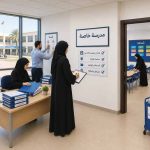
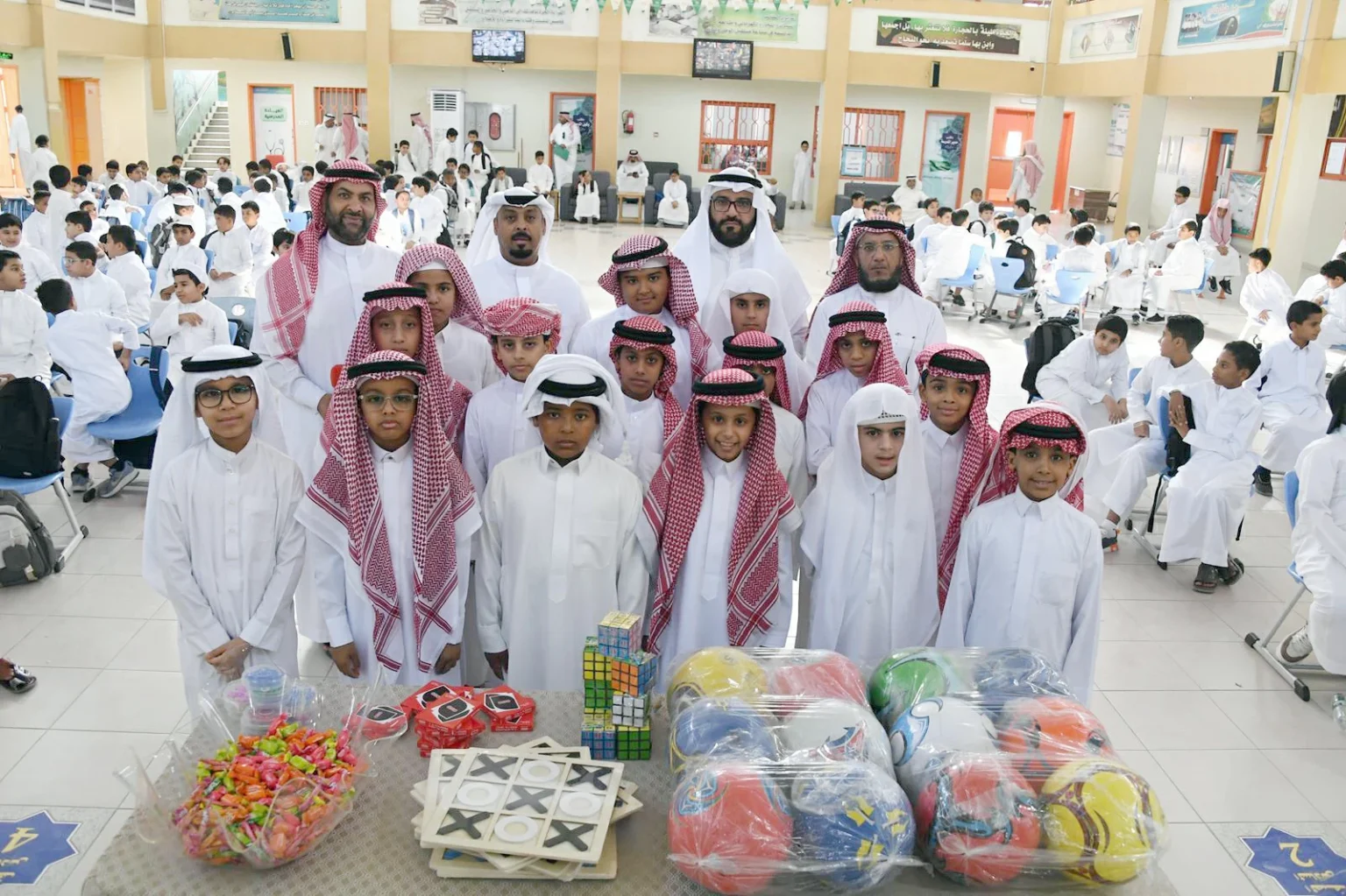
More than 4.5 million students in public schools across Saudi Arabia return to classrooms today in the Saudi school reopening, officials said, marking the start of the new academic year. The return covers boys and girls in most regions, with students in four education administrations—Mecca, Medina, Jeddah and Taif—scheduled to resume on the following Sunday, 17 Rabi al‑Awwal.
Teachers and staff in the four exempt administrations who are actively engaged in instruction have resumed duties today after the summer break, the Ministry of Education stated. The ministry has asked all schools to ensure a rigorous start on day one and to prioritize student attendance and wellbeing.
Attendance monitoring, textbooks and the Noor system
The Ministry of Education emphasized that schools must begin seriously from the first day, noting that most schools distributed textbooks to students before the summer holiday. Education professionals described the pre-distribution as an important measure to support school discipline and preparedness.
Officials also reminded schools to monitor student absences closely and to use the Noor system to register and communicate absences. Therefore, administrators should contact parents through available channels to inform them of any unexplained absences and to record the information in the Noor system, the ministry advised.
Teacher schedules and the Hadory app
Teachers welcomed an announcement from Minister of Education Yousef Al‑Bunyan that work attendance recorded through the Hadory app will follow each school’s daily academic plan. This clarifies that the previously contentious seven‑hour requirement linked to the app will not be universally imposed, according to ministry guidance.
Meanwhile, school leaders are expected to align teacher schedules with the local academic program for the day and to use the Hadory app for attendance in a manner consistent with the educational plan. The change aims to reduce operational confusion and allow schools to focus on instructional priorities from the outset.
New General Education System and reform goals
The new General Education System, issued by royal decree earlier this year, will begin to be implemented during the coming academic period. The reform aims to strengthen governance of public education, improve educational quality, and expand choices for families, officials said.
According to the decree and ministry statements, the General Education System clarifies the roles of the Ministry of Education, the Council of General Education Affairs and other related bodies. The reform seeks to align policies and plans, improve decision‑making efficiency, and provide the ministry with enhanced regulatory and supervisory tools.
Furthermore, the system is designed to encourage investment and partnerships by regulating the participation of private and non‑profit providers under clear standards. This measure is intended to make the education sector more attractive to investors while maintaining service quality and expanding educational options in line with Vision 2030 objectives.
Supporting diverse student needs and rights
The ministry highlighted that the General Education System emphasizes protection of student and teacher rights and the provision of safe, motivating learning environments. These provisions are intended to support quality teaching and to improve students’ overall school experience.
The system places particular focus on early childhood education, recognizing the formative importance of the first years for a child’s development. In addition, it calls for more tailored educational and support services for students with disabilities and increased attention to gifted learners, aiming to meet diverse learning needs within mainstream institutions.
Implications for private and nonprofit sectors
By setting clearer rules for private and non‑profit participation, the General Education System seeks to expand public‑private collaboration in schooling. Officials said the regulatory framework will aim to raise service quality while ensuring accountability and equitable access.
As a result, families may see more diverse schooling options over time, and government and non‑government institutions will face new standards for governance, transparency and performance. These changes are likely to require new contracts, oversight mechanisms and monitoring tools as the system is phased in.
How schools and families should respond
Schools are being asked to focus on punctuality, attendance tracking, and clear communication with parents as the year begins. Families are advised to check school communications, confirm receipt of textbooks, and monitor the Noor system alerts where applicable.
Furthermore, educators should prepare to adapt to new administrative procedures related to the General Education System and to participate in forthcoming training and briefings from the ministry, according to official guidance.
What to watch next
Implementation details for the General Education System remain a key item to watch. The ministry is expected to publish regulatory guidance, implementation timetables and operational rules in the coming weeks to translate the royal decree into actionable measures.
Observers should also watch for ministry guidance on evaluation metrics, private‑sector engagement rules, and specific supports for early childhood, special education and gifted programs. Meanwhile, schools will be judged initially on how effectively they manage the Saudi school reopening, record attendance in the Noor system, and align teacher schedules through the Hadory app.
Conclusion and forward look
The new school year begins amid administrative changes and a major policy shift with the General Education System. For now, the immediate priorities are a smooth Saudi school reopening, precise attendance monitoring, and clear communication with families. In the near term, stakeholders should expect further ministry guidance and staged implementation steps to operationalize the reform across public, private and non‑profit sectors.