






Dubai life skills system launched under Crown Prince’s directives
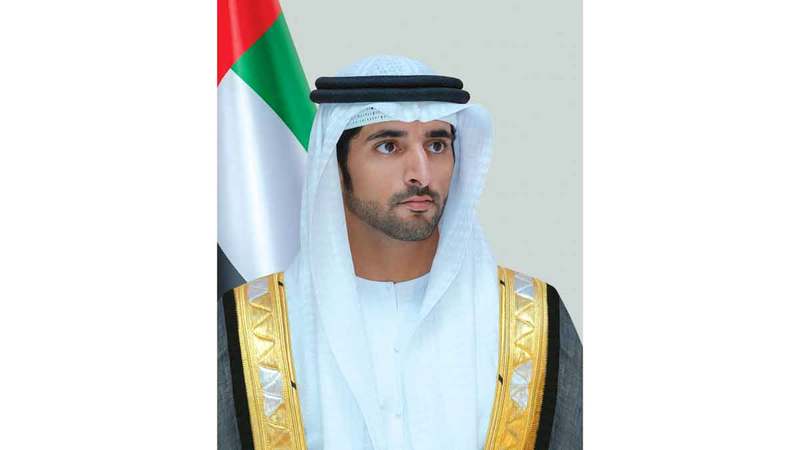
The Knowledge and Human Development Authority (KHDA) in Dubai has launched a comprehensive Dubai life skills system, officials said, aimed at equipping learners across the emirate with practical, personal and social skills. Announced under the directives of Sheikh Hamdan bin Mohammed bin Rashid Al Maktoum, Crown Prince of Dubai and Chairman of the Dubai Executive Council, the system will begin phased implementation in the 2026–2027 academic year.
The rollout, timed to coincide with the Year of the Family, seeks to align with the UAE’s National Education Charter and Dubai’s Education Strategy 2033, KHDA representatives stated. The initiative places learners at the center of education from pre-kindergarten through post-graduation, with a focus on lifelong learning and readiness for study, work and community life.
What the framework covers in the Dubai life skills system
The Dubai life skills system outlines core domains including healthy lifestyles, nutrition, daily living management, financial literacy, social skills, resilience, digital citizenship and environmental responsibility. According to KHDA, these domains will be integrated into learning environments and curricula to ensure relevance at each stage of education.
Furthermore, the framework specifies learning outcomes and quality indicators for providers, emphasizing child-centered approaches and measurable competencies. Therefore, schools and learning centers are expected to adapt instruction so students can build habits such as personal hygiene, balanced nutrition choices, time management and independent decision-making.
Integration with Education Strategy 2033 and national priorities
The new system was designed to support broader policy goals, including the Education Strategy 2033 and the National Education Charter launched by President Sheikh Mohamed bin Zayed Al Nahyan. Officials say the Dubai life skills system complements existing academic standards by strengthening learners’ social and emotional competencies and by preparing them for future skills needs.
In practice, the system will coordinate with academic and career guidance policies in the emirate to help students make informed choices about learning pathways and employment. Additionally, it aims to embed indicators of student wellbeing and quality of life into school assurance processes so that outcomes extend beyond traditional academic measures.
How the system will be implemented and monitored
KHDA has outlined a staged implementation plan that will include pilot programs, teacher training, and revised assessment criteria. Schools will receive guidance on adapting curricula and embedding life skills into classroom activities, extracurricular programs and community partnerships, officials said.
Monitoring and quality assurance mechanisms are expected to align with existing regulatory standards. This includes integrating indicators of personal wellbeing and competency attainment into school inspections and performance reviews. Meanwhile, professional development for educators will emphasize coaching, guidance and practical skill instruction to ensure fidelity of implementation.
Key initiatives and partnerships supporting the rollout
The Dubai life skills system bundles several parallel initiatives to accelerate change. These include an academic and career guidance initiative intended to strengthen advising, a “students’ city” concept to enrich learner experience, and future-skills mapping to keep competencies current with labor market needs.
Other programs cited by authorities include flexible learning models, seasonal life-skills camps, and recognized non-formal learning pathways to build leadership and practical experience. Therefore, partnerships with families, businesses and community organisations will be central to delivering experiential learning and expanding opportunities beyond the classroom.
Digital and sustainability dimensions
The framework also addresses digital citizenship and sustainable behavior. Students will learn to use digital tools safely and think critically about online information, while also learning sustainable habits that contribute to environmental goals. KHDA officials suggested these dimensions reflect global best practices in student wellbeing and future skills development.
Implications for students, schools and the labor market
By making life skills an explicit part of educational outcomes, the Dubai life skills system aims to broaden the definition of success for students. In addition to academic achievement, students are expected to graduate with competencies that support employability, civic participation and personal resilience.
For schools, the system requires curricular adaptation, new assessment rubrics and increased collaboration with parents and employers. Employers and the wider economy may benefit from a pipeline of young people with practical competencies and adaptability, which are frequently cited as critical future skills.
Next steps and what to watch
The next phase will involve KHDA publishing detailed guidelines, conducting pilot programs and delivering teacher training ahead of the 2026–2027 implementation. Stakeholders should watch for regulatory updates, sample curriculum modules and formative evaluation reports that will indicate early impacts.
Ultimately, officials say the Dubai life skills system is designed to be flexible and responsive, with periodic updates to reflect changing societal and workforce needs. Observers will evaluate how effectively schools translate the framework into day-to-day learning and how measurement systems capture improvements in student wellbeing and capability.
As implementation progresses, readers should look for KHDA progress reports, partnership announcements and case studies from pilot schools to better understand how the program influences student outcomes and aligns with Education Strategy 2033 goals.