







Decline in Arabic Language Usage Among New Generations
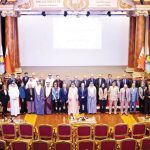
At the International Conference on the Arabic Language held in Dubai, academics and experts reported a noticeable decline in the use of the Arabic language among some emerging generations. This trend coincides with the growing influence of foreign languages and the rapid digital media landscape. While artificial intelligence presents opportunities to serve and promote the Arabic language, experts stress the importance of using this technology thoughtfully and not allowing it to replace essential human creativity and research.
Concerns About Language Identity
Dr. Ahmed Afifi, head of the Grammar, Morphology, and Metrics Department at Cairo University, highlighted that the current generation is in contact with their native language but does not hold onto it as strongly as necessary. He attributes this to an overwhelming fascination with foreign languages, particularly English. Dr. Afifi emphasizes the need to learn multiple languages while ensuring that Arabic and cultural identity remain intact. He advocates for leveraging artificial intelligence to enhance writing styles and generate ideas, while cautioning against relying solely on it for academic research.
Impact of Digital Engagement on Language Skills
Meanwhile, Dr. Shaimaa Tamim, an expert in Arabic curricula and teaching methods at the Emirates College of Educational Development, pointed out research focusing on “Generation Alpha.” This research indicates that this group struggles with focus and communication in Arabic outside classroom settings, largely influenced by digital environments and short video formats. She calls for innovative, interactive content that aligns with students’ cognitive styles while preserving the integrity of the Arabic language, with a commitment to academic honesty when using artificial intelligence tools.
The Challenge of Communication in Social Media
Dr. Ramadan Amer, Dean of the Faculty of Arts at Beni Suef University, described the linguistic shortcomings observed in some youth as stemming from the use of distorted language on social media platforms, such as substituting letters with numbers. He warned about the perils of machine translation, which often fails to grasp context and nuances, leading to lazy research habits and potential academic errors. He stresses the need for human review of translated materials.
Proposals for Enhancing Arabic Language Education
Dr. Ahmed Ghaleb Nayef Saadoon from Al-Maarif University in Iraq remarked that the prevalence of English affects daily communication and correspondence. He proposed dedicating specific days in schools and universities for Arabic language practice to encourage its proper use. Moreover, he believes that artificial intelligence can support the Arabic language and increase its reach among non-native speakers if employed judiciously and monitored effectively.
Balancing Technology and Traditional Learning
Dr. Star Al-Abidi from Yarmouk University in Iraq cautioned that the ease of accessing grammatical guides and research at the click of a button could lessen students’ motivation to engage in deep reading and source tracking. He pointed out that while technology facilitates information access, it cannot replace the value and guidance provided by teachers, particularly in areas like poetic intonation and literary appreciation.
Preserving Arabic Amidst Digital Challenges
On a positive note, Dr. Hanaa Mahmoud Al-Genbi from the Arabic Language Department at the University of Iraq asserted that the Arabic language remains alive and secure, primarily due to its presence in the Quran, daily prayers, and daily practices. However, she acknowledged that the digital environment can detract from the necessary focus required for in-depth exploration of the language. She advocates for a balanced approach between traditional print and digital reading, along with careful selection of sources and tools, ensuring that researchers retain their critical thinking and analysis capabilities.
The Way Forward for Arabic Language Education
Conference participants recommended reinstating mandatory handwriting practices for students to strengthen their connection to Arabic letters and reduce spelling errors. They urged for the training of teachers in technology to effectively assess digital outputs and their implications. Additionally, they stressed the importance of holding onto authentic sciences and Arabic heritage, as well as committing to memory work such as the Quran, while balancing contemporary tools for modernization.
Looking ahead, researchers and educators are expected to explore ways to engage new generations with the Arabic language actively, combining technology with tradition. As societies continue to evolve, striking a balance between embracing digital advancements and preserving cultural heritage will be paramount for the future of Arabic language education.