







Social Media Challenges Place Youth at Risk
Recent reports have uncovered ten dangerous health phenomena circulating on social media platforms, which have transformed from mere viral videos into life-threatening practices, particularly affecting children and teenagers. Medical professionals have raised alarms about these challenges’ severe health consequences, highlighting that imitating these risky behaviors can lead to medical emergencies, lifelong complications, or even death.
Understanding the Dangers of Viral Challenges
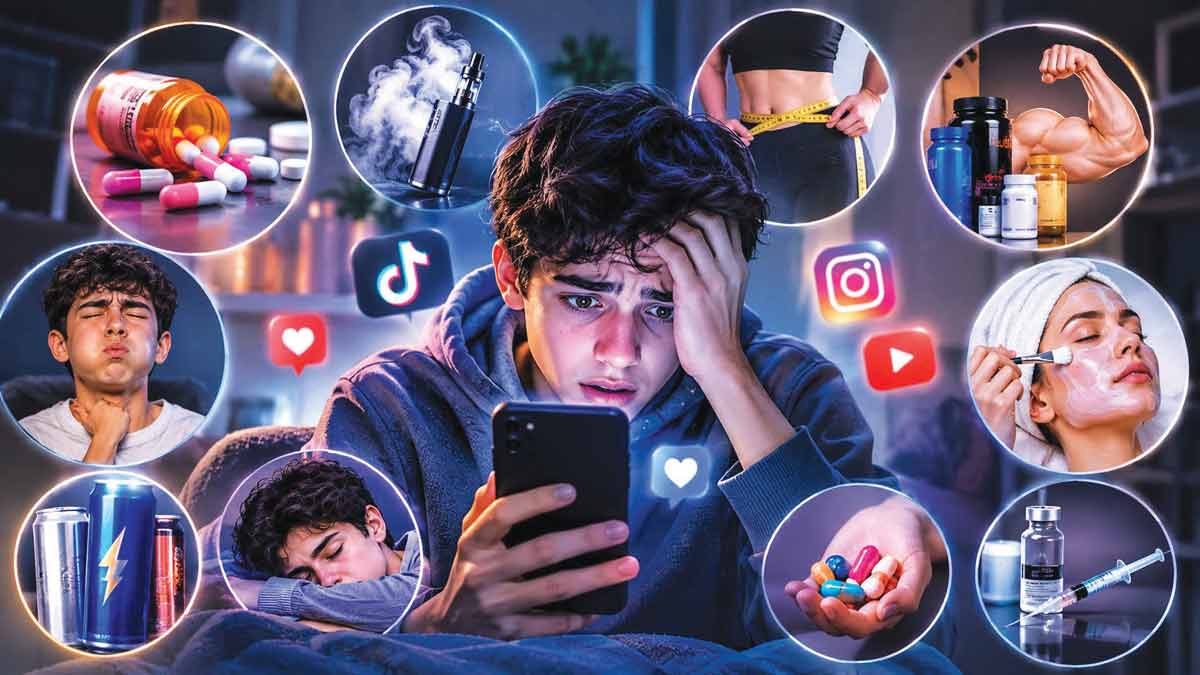
Among the perilous trends documented, the “Benny Tripping” challenge, which involves overdosing on the medication Benadryl to induce hallucinations, raises significant health concerns. Additionally, the misuse of paracetamol, mixing various medications for enhanced effects, and stopping prescribed treatments based on online advice contribute to these worrying patterns. Other dangerous challenges include breath-holding stunts aimed at attracting followers, rising popularity of vaping and modern nicotine products, and the promotion of weight loss drugs without medical evaluation.
These unsafe practices extend to the promotion of unknown stimulants and beauty treatments that involve harmful chemical mixtures. The misuse of dietary supplements, including excessive consumption of energy drinks and caffeine, is also prevalent, as is engaging in sleep deprivation and physical endurance experiments, often with misleading claims surrounding health and fitness benefits. The continuous evolution of these challenges reflects a cycle of risk-taking behavior that threatens the safety of youth.
Medical Experts Warn About Consequences
Medical professionals express that the dangers posed by these challenges are magnified by their ability to resurface in various forms over time. The rapid dissemination of videos across social media increases the likelihood of imitation, particularly among impressionable youth. Factors leading to participation in these behaviors often include curiosity, social acceptance, and the quest for fame and visibility on online platforms.
Healthcare providers emphasize that a strong connection based on trust and open communication between parents and their children is essential. They advise against punitive measures that may drive adolescents to hide their risky behaviors. Disease prevention, they argue, is a collaborative responsibility shared between families, schools, health institutions, and digital platforms.
The Emergency Room’s Perspective
Dr. Mahmoud Medhat Abou Mousa, an intensive care specialist, warns of the serious health implications associated with imitating dangerous challenges. He notes that adolescents may experience acute poisoning from excessive medication use, which poses life-threatening risks despite potentially lacking immediate symptoms. His experience in emergency care illustrates the critical need for awareness around these hazardous trends.
Common household medications, including pain relievers and sleep aids, can become highly toxic if taken in large doses. Symptoms can range from irregular heart rhythms and seizures to respiratory failure and organ damage. Often, patients will require intensive medical intervention to address these serious responses, indicating that the initial curious act can lead to severe consequences very quickly.
Recognizing and Responding to Substance Misuse
Dr. Diaa Danesh Jomani, an emergency consultant, reiterates that behaviors encouraged through social media can lead to significant health risks. Medications considered safe when used appropriately can turn lethal when misused. He emphasizes that the effects vary based on the drug type and dosage. Notably, social pressures among adolescents can drive them to engage in these challenges without fully anticipating the dangers involved.
In cases of suspected drug overdoses, immediate medical assistance is critical. Health experts maintain that forcing someone to vomit or administering home remedies could exacerbate the situation rather than help. A comprehensive assessment of the individual’s condition is necessary to determine appropriate care and interventions.
Addressing Psychological Motivations Behind Risky Behaviors
Dr. Omar bin Abdulaziz, a psychiatrist, highlights that social media’s influence on teens is profound yet often dangerous. Many young people become entangled in risky behaviors to gain social acceptance or notoriety. This need for belongingness can override rational considerations about safety. However, parents, educators, and caregivers can play crucial roles in guiding youth through their developmental challenges by fostering open discussions around internet content.
Certain behavioral indicators, such as sudden changes in habits, secretive actions, or unusual medication usage, merit parental attention. Building a home environment where children feel safe discussing their experiences without fear of judgment is crucial for prevention and intervention. Furthermore, parents are encouraged to have ongoing conversations about the perils of social media challenges and the potential ramifications of these actions.
Looking Ahead: Community Responsibility and Awareness
The responsibility of safeguarding youth from these behaviors rests collectively on families, schools, health organizations, and digital platforms. Raising awareness about the consequences of misuse and fostering critical thinking skills regarding online content is vital. Professionals stress that proactive dialogue can empower youth to make informed decisions that prioritize their health and well-being over fleeting social media fame.
As social media continues to evolve, continuous education and awareness efforts will be critical. Future initiatives should emphasize signs of distress in youth, the risks of substance misuse, and the importance of seeking help when necessary, ultimately fostering a generation that values health and safety over viral attention.