






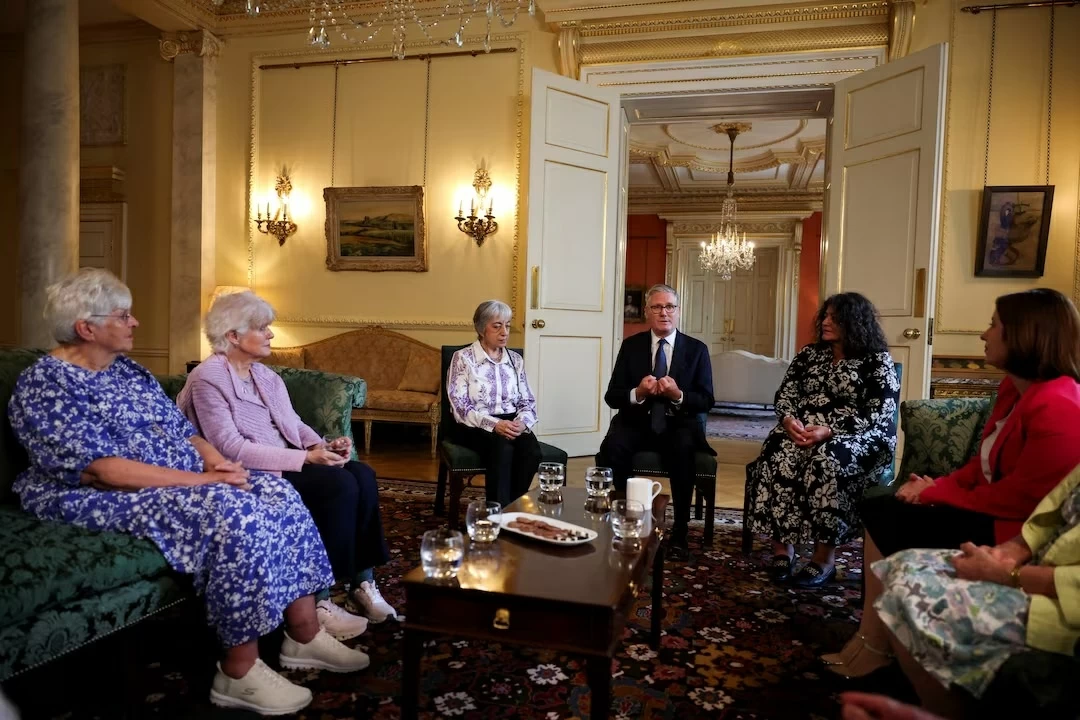

Forced Adoption Apology Draws National Attention
After about half a century, the British government issued a formal forced adoption apology this week to survivors who say they were coerced into surrendering children under past adoption policies. Officials described the statement as an expression of regret for practices that affected thousands of mothers and children across the United Kingdom. Survivors and campaigners welcomed recognition but urged concrete follow-up measures.
Who, What, When and Where: The Core Facts
The apology, delivered by senior officials in London, responds to decades of complaints that social workers, hospitals and adoption agencies pressured unmarried mothers into relinquishing infants. According to officials, the announcement follows a detailed review and sustained campaigning by advocacy groups and survivors who sought formal acknowledgment and redress. Meanwhile, local support organizations said they would continue to press for compensation and records access.
Background on Adoption Policies and Historical Context
Postwar adoption policies in Britain placed heavy social and institutional pressure on single mothers to give up children, according to historians and campaigners. In many cases, mothers report limited information, coerced consent or the removal of infants without full legal clarity. Additionally, cultural stigma around illegitimacy and the influence of religious and medical institutions shaped practices that critics now say facilitated forced adoptions.
Why the Apology Now: Inquiry Findings and Public Pressure
The timing of the forced adoption apology reflects years of campaigning, legal challenges and investigative reporting that brought renewed scrutiny to historical practices. A number of inquiries and reports have documented patterns of coercion and record-keeping failures, and these findings prompted officials to respond publicly. Furthermore, survivors’ testimonies and organized advocacy created sustained political pressure for recognition and reform.
Government Response and Proposed Remedies
Officials outlined several immediate steps alongside the apology, including improving access to adoption records and expanding counseling and tracing services for those affected. The government said administrative reviews would examine how to deliver meaningful support, while ministers indicated an intention to consider compensation where appropriate. However, details on timelines and eligibility criteria were left to ongoing consultations and further policy work.
Legal and Practical Implications for Victims of Forced Adoption
The forced adoption apology may open pathways for survivors to seek formal redress, but legal experts caution that statutory limitations and evidentiary hurdles could complicate individual claims. Additionally, families seeking records may face bureaucratic delays, as many adoption files are incomplete or dispersed across institutions. Therefore, campaigners continue to push for a centralised, transparent approach to records retrieval and a clear mechanism for reparations.
Access to Records and Identity Tracing
Access to historical records is a priority for many survivors who want to understand their personal histories and, in some cases, reunite with children or extended family. The government has committed to improving tracing services, and officials said they would work with local authorities and archives to streamline requests. Nonetheless, advocates warned that practical barriers and privacy considerations must be balanced carefully to serve victims’ needs.
Public Reaction and Views from Advocacy Groups
Reaction to the forced adoption apology was mixed: survivors welcomed formal recognition but described the statement as only a first step. Several advocacy groups called for an independent implementation plan with binding timelines and transparent oversight. Additionally, historians and legal scholars urged sustained investment in support services and a commitment to prevent similar abuses in current child welfare systems.
International Comparisons and Broader Policy Lessons
Similar acknowledgments by governments in other countries have often been followed by reviews of present-day adoption safeguards and reforms to ensure informed consent. Therefore, experts suggest that the British government’s response should include updated guidelines, training for social workers, and robust monitoring to prevent coercive practices from recurring. In contrast, piecemeal measures risk leaving survivors without full remedies.
What Comes Next: Timeline and Oversight
Officials said consultations with survivor groups and legal advisers will shape the next phase of implementation, though no fixed timetable was announced. Observers expect detailed proposals on records access and support services within months, while debates over compensation might take longer and depend on parliamentary processes. Readers should watch for publications from official review bodies and statements from the relevant ministry for specific milestones.
Conclusion: Moving from Apology to Accountability
The forced adoption apology represents a formal acknowledgment of long-standing grievances and a potential gateway to practical redress for victims of forced adoption policies. However, transitioning from words to measurable outcomes will require clear timelines, transparent processes and sustained engagement with survivors. In the coming months, stakeholders will look for concrete plans on records access, support services and any compensation framework as the next steps unfold.