







Project Management Certifications Drive Institutional Capacity
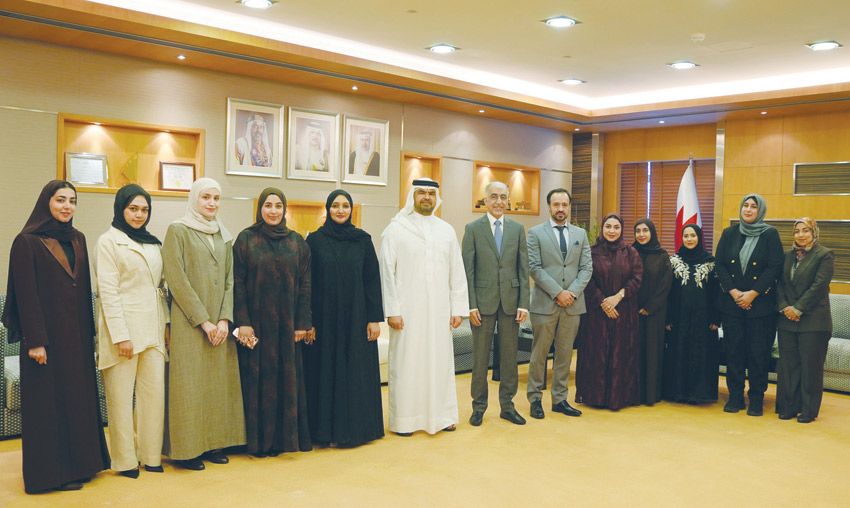
The Ministry of Works has honored 18 project managers and specialized engineers who earned international project management certifications this year, reinforcing a strategic push to raise technical capacity across public works. According to ministry officials, the recognition ceremony underscored the importance of certified skills for timely delivery and higher-quality outcomes on national infrastructure projects. The event highlights the ministry’s commitment to continuous professional development for its workforce.
Who Was Recognized and What Certifications Were Achieved
In a recent ceremony, the Minister of Works, Ibrahim bin Hassan Al-Hawaj, acknowledged the 18 staff members who completed globally recognized credentials in project and program management. The certified credentials include the Project Management Professional (PMP), Program Management Professional (PgMP), PMI Construction Professional (PMI-CP), and Certified Associate in Project Management (CAPM), all issued by the Project Management Institute (PMI), the ministry stated.
Officials reported that the ministry now counts 82 PMP-certified project managers, nine PgMP holders, and five PMI-CP holders among its ranks. Meanwhile, additional staff obtained CAPM and other professional qualifications, reflecting a broader trend toward accreditation of project managers and engineering professionals in public sector delivery teams.
Ministry Investment in Human Capital and Professional Development
The ministry emphasized that continued investment in human capital through targeted training and certification programs is a core policy. Ibrahim bin Hassan Al-Hawaj said the approach is intended to align local capacity with international standards in project governance, risk management, and quality assurance, according to the ministry statement. Therefore, the push for project management certifications forms part of larger workforce development plans.
Training initiatives combine classroom instruction, mentoring, and exam preparation to help employees qualify for global credentials. Furthermore, officials noted that enabling staff to obtain PMI certifications enhances the competitiveness of national project teams and supports knowledge transfer across public works departments. As a result, the ministry expects a more consistent application of best practices across project portfolios.
How Certification Programs Are Delivered
Programs rely on a mix of in-house trainers, accredited training partners, and online learning to accommodate engineers and managers who remain engaged on active projects. Additionally, practical mentoring and on-the-job application of project management frameworks are used to meet PMI’s experience requirements for advanced certifications. The ministry indicated that these blended approaches help bridge theoretical knowledge and real-world application.
Operational Impacts: Better Planning, Risk Management and Quality
Officials say that certified project managers bring improved planning discipline, clearer scope management, and more rigorous risk controls to infrastructure projects. Therefore, project management certifications are expected to reduce schedule slippage and cost overruns by strengthening baseline planning and change-control processes. The ministry highlighted that standardized methodologies also improve transparency for stakeholders and facilitate more accurate progress reporting.
In addition, certified staff are trained to apply structured risk identification and mitigation techniques, which supports resilience in large-scale construction and civil works. Consequently, the adoption of international practices contributes to higher quality outputs and increases the likelihood of meeting environmental and sustainability requirements during project delivery.
Broader Context: International Standards and Institutional Resilience
Adopting internationally recognized certifications aligns the ministry’s workforce development with global best practices promoted by organizations such as the PMI. This alignment helps public agencies benchmark performance against international peers and adopt interoperable project controls. Furthermore, the emphasis on certified personnel is part of a broader government effort to enhance public-sector efficiency and long-term institutional resilience.
Analysts note that widespread certification among project managers can support improved procurement outcomes by clarifying technical requirements and contract management expectations. Meanwhile, trained managers are better positioned to oversee complex programmatic portfolios, improving the coordination of interdependent projects and accelerating overall development goals.
Implications for Contractors and Partners
Contractors and international partners may see changed expectations when engaging with the ministry, as certified teams apply formalized processes for project initiation, reporting, and quality assurance. Therefore, vendors will likely need to align proposals and delivery plans with the ministry’s enhanced governance frameworks. This shift can streamline contract administration and reduce disputes by emphasizing measurable performance indicators and accepted standards.
Additionally, the ministry’s move toward certification can attract skilled professionals who value professional development and credentials such as PMP and PgMP. In the medium term, this may improve the pipeline of capable project professionals available for both public and private sector projects.
Looking Ahead: Next Steps and What to Watch
The ministry signaled that it will continue to roll out training and certification opportunities for its workforce and monitor impacts on project performance indicators. Officials indicated plans to expand capacity-building programs and to track metrics such as project completion rates, budget adherence, and quality standards to measure returns on investment in human capital.
Readers should watch for future ministry reports or performance reviews that quantify improvements in delivery timelines and cost control attributable to certified staff. Meanwhile, the next steps likely include extending certification pathways to more mid-level project managers and embedding lessons learned into standardized project management procedures across the ministry.