






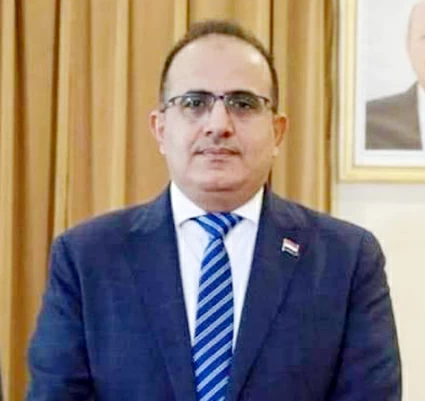

Saudi aid to Yemen highlighted by Yemeni health minister
The Yemeni health minister told Okaz newspaper that Saudi aid to Yemen remains the largest single source of support, and that assistance from Saudi Arabia has exceeded $1.5 billion, according to the report. The minister made the remarks in an interview published on Tuesday, outlining aid delivered to the health sector in Yemen since the escalation of the humanitarian crisis. The statement places a spotlight on the scope of external support for Yemen’s beleaguered health infrastructure.
Who, what and when: details of the announcement
The minister, speaking to Okaz and cited by the ministry, said Saudi contributions have been pivotal in funding hospitals, clinics and public health campaigns across several governorates. Officials said the figure of more than $1.5 billion covers direct medical assistance, infrastructure rehabilitation and logistical support, although the statement did not break down the timeline or all individual projects. Observers noted the comments are part of a broader dialogue on international aid coordination in Yemen.
Context: humanitarian assistance and the health sector in Yemen
Yemen’s health system has been under severe strain for years, with shortages of staff, medical supplies and functioning facilities, the ministry and humanitarian organizations have reported. Therefore, sustained international funding has been essential to maintain immunization programs, trauma care and responses to infectious disease outbreaks. Furthermore, Saudi-funded projects have included mobile clinics, training for medical personnel and shipments of essential medical supplies into hard-to-reach areas.
How the funds have been used
According to ministry officials, Saudi support has been allocated to a mixture of direct service delivery and capacity-building initiatives. For example, funds reportedly supported emergency room equipment, refurbishment of primary care centers and the procurement of pharmaceuticals and medical devices. Additionally, aid has gone to water and sanitation projects linked to public health outcomes, which officials say are crucial for preventing disease and reducing pressure on hospitals.
Implications for health services and humanitarian coordination
The minister’s remarks underscore the central role of a single major donor in stabilizing essential services, but they also raise questions about sustainability and coordination. Humanitarian agencies and donor governments have long called for transparent reporting and alignment of contributions to national priorities, the ministry stated. Meanwhile, health partners continue to emphasize the need for multi-donor commitments to reduce dependency on any single source and to ensure equitable geographic reach of services.
International response and donor relations
Donor governments and international organizations have publicly welcomed bilateral contributions while urging comprehensive planning and oversight, according to statements from some aid agencies. Therefore, the ministry’s accounting of Saudi support may be used as a basis for further dialogue at upcoming donor meetings and coordination forums. Furthermore, humanitarian coordinators are monitoring how resources are distributed to ensure the most vulnerable populations benefit from medical aid and emergency interventions.
Challenges in delivery and accountability
Despite significant funding, obstacles remain in delivering aid across conflict-affected areas, including logistical bottlenecks, insecurity and damaged infrastructure. The ministry and partner organizations cited checkpoints, transport disruptions and fuel shortages as factors that complicate the timely delivery of medical supplies. Consequently, humanitarian actors stress the importance of secure access, transparent procurement and independent monitoring to reinforce public confidence in aid outcomes.
Related efforts: reconstruction, vaccination and public health
Beyond emergency care, Saudi contributions have reportedly supported longer-term public health priorities such as vaccination campaigns, rehabilitation of hospitals and training programs for clinicians. These efforts align with broader reconstruction and resilience objectives in Yemen, where rebuilding health facilities is seen as a prerequisite for sustained recovery. In contrast, short-term funding alone is insufficient without parallel investments in workforce development and supply chain systems.
What this means for Yemenis and next steps
For patients and medical staff on the ground, the minister’s statement suggests continued availability of crucial services, but stakeholders warned that funding must be predictable and well-coordinated. The ministry indicated plans to publish further details on project allocations and monitoring mechanisms, while international partners emphasized the need for comprehensive audits and joint oversight. Therefore, the next step for observers will be to watch for official breakdowns of spending and updates at donor coordination meetings in the coming months.
Conclusion and what to watch next
In summary, the Yemeni health minister’s disclosure that Saudi aid to Yemen has surpassed $1.5 billion highlights a major international contribution to the country’s fragile health system. Going forward, readers should watch for more detailed reporting from the ministry, donor coordination processes, and scheduled humanitarian briefings to see how these resources are allocated and verified. Additionally, upcoming donor conferences and ministry updates will be key milestones for assessing the durability and impact of ongoing medical and humanitarian assistance.