



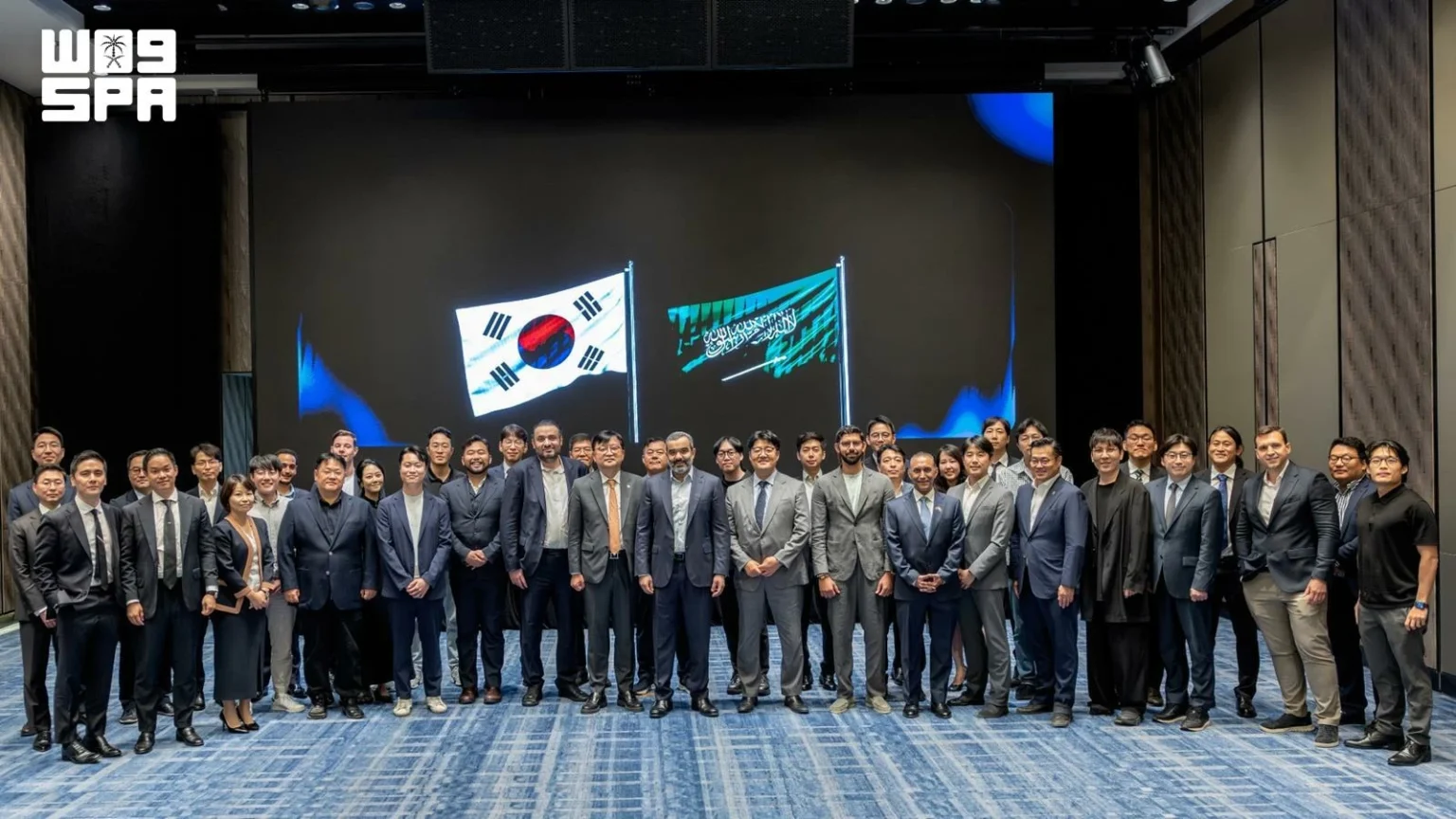

Saudi-Korea tech partnership advances during Seoul meetings
Saudi Minister of Communications and Information Technology Abdullah A. Al-Sawaha held a series of strategic meetings in Seoul this week to advance a Saudi-Korea tech partnership focused on artificial intelligence, semiconductors, digital infrastructure and cloud computing. The discussions took place with major industry players and investors, and were aimed at expanding bilateral collaboration to support Saudi Vision 2030, officials said.
During the visit to the Republic of Korea, the minister met with representatives from the Korean Association for Artificial Intelligence and Software (KOSA), senior executives at Samsung Electronics and leaders from SK Group. The meetings also included sessions with private investors and technology company executives to explore joint investment, technology transfer and capacity building.
Meetings and strategic objectives
The meetings addressed several immediate objectives: identify investment opportunities, discuss co-development of advanced technologies, and outline steps to localize key capabilities within Saudi Arabia. Furthermore, conversations evaluated how joint projects could accelerate national skills development and help establish the Kingdom as a regional digital hub, ministry statements indicate.
Additionally, both sides reviewed potential public-private cooperation models and regulatory considerations that would enable cross-border projects in cloud computing and semiconductor supply chains. Officials said the agenda emphasized long-term industrial partnerships rather than one-off transactions, signaling a strategic approach to technology collaboration.
Main areas of cooperation: artificial intelligence, semiconductors and cloud computing
The meetings highlighted three priority sectors: artificial intelligence, semiconductors and cloud computing. These areas were chosen for their potential to drive economic diversification and to underpin digital services across government and industry, according to ministry sources.
Artificial intelligence discussions centered on joint research, pilot deployments in public services, and talent development programs. In contrast, semiconductor talks focused on supply chain resilience, potential investment in fabrication and packaging, and technology transfer agreements that could increase local manufacturing capacity.
Meanwhile, cloud computing was discussed as a foundational layer for digital transformation, with attention to data center development, cloud service partnerships and secure infrastructure that aligns with national data governance practices. These discussions aimed to create end-to-end ecosystems combining hardware, software and services.
Private-sector engagement and investment prospects
Meetings with Samsung Electronics and SK Group explored commercial pathways to scale cooperation. Representatives from both conglomerates discussed potential joint ventures, investment vehicles and pilot projects that could accelerate technology localization in Saudi Arabia, officials said.
Investors and technology leaders who participated in the sessions outlined interest in public-private models that offer predictable regulatory frameworks and incentives tied to skills transfer. Therefore, the discussions included workforce training initiatives and research partnerships intended to build national capacity in advanced technology domains.
Role of investors and industry associations
Engagement with the Korean Association for Artificial Intelligence and Software (KOSA) provided a platform to connect Saudi policymakers with Korean software and AI ecosystems. The association offered perspectives on standards, industry best practices and collaborative research programs that could be adapted for Saudi priorities.
Private capital interest was also a recurring theme, with investors indicating that clear roadmaps for localization and joint intellectual property arrangements are crucial for committing larger-scale funding. Officials noted that investor confidence depends on transparent timelines and measurable milestones.
Implications for Saudi Vision 2030 and the digital economy
The initiative aligns with Saudi Vision 2030 goals to diversify the economy and establish the Kingdom as a global digital hub. By pursuing partnerships in artificial intelligence, semiconductors and cloud computing, Riyadh aims to create high-value jobs and generate new industrial capabilities, the ministry stated.
Furthermore, stronger ties with South Korean technology leaders could help shorten learning curves in advanced manufacturing and software development. Therefore, analysts say such cooperation may enhance supply chain resilience and foster domestic innovation ecosystems capable of supporting regional digital services.
Next steps and what to watch
Officials indicated that follow-up work will include technical working groups, memoranda of understanding on specific projects and feasibility studies led by bilateral teams. The next phase is expected to clarify investment scales, timelines and localization targets, ministry sources suggested.
Stakeholders should watch for announcements of pilot projects, skills development programs and any formal joint ventures involving Korean firms and Saudi entities. Additionally, the formation of regulatory frameworks and incentives for semiconductor investment will be critical signals of progress.
Conclusion: a measured path toward sustained cooperation
The recent meetings in Seoul underscore Riyadh’s intent to build durable technology partnerships with South Korea that support Saudi Vision 2030. While officials have framed the engagement as a long-term strategy focused on localization and capacity building, actual implementation will depend on detailed agreements and investor commitments.
Therefore, readers should expect phased announcements over the coming months as working groups translate strategic intentions into concrete projects. In the short term, watch for pilot collaborations in artificial intelligence and cloud services, and for feasibility reports related to semiconductor investments that will set the timeline for more substantial industrial cooperation.