







Documenting Omani Crafts and Promoting Their Sustainability for Future Generations
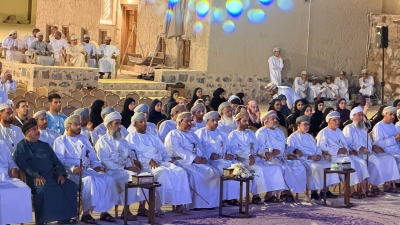
The “Cultural Property” forum focused on Omani craft traditions such as pottery, metalwork, and woodworking recently commenced at the Bahla Fort in Al Dakhiliyah Governorate. This event is organized by the Bahla Volunteer Team in partnership with the Ministry of Heritage and Tourism, the Ministry of Education, represented by the Omani National Commission for Education, Culture, and Science, and the Small and Medium Enterprises Development Authority, drawing participation from local and international volunteers from various countries.
The forum is part of the World Heritage Volunteers 2026 initiative for “Working for the Future,” spearheaded by the UNESCO World Heritage Centre, and will continue until September 13. The opening ceremony was honored by the presence of Sheikh Mahmoud bin Rashid Al Saadi, who is tasked with overseeing the Interior Governorate.
Encouraging Global Volunteerism
Thirty volunteers from Oman, Iran, Russia, and India are contributing to the forum, creating a platform for interaction, knowledge exchange, and experience sharing in the fields of cultural heritage preservation and management. The focus is on fostering cooperation between volunteers from diverse cultural backgrounds amid the vital discussions surrounding cultural preservation.
The program features lectures, seminars, dialogue sessions, and practical workshops centered around important aspects of Omani heritage and traditional crafts. Key topics include pottery, metal industries, traditional woodcraft, digital documentation of heritage, and visual identity inspired by cultural heritage elements.
Fostering Young Talent and Raising Awareness
According to Sultan bin Nasser Al Nabahani, President of the Bahla Volunteer Team, this initiative, which emphasizes pottery and metal crafts, is expected to yield results beneficial to the Bahla Fort site, which has held UNESCO World Heritage status for nearly four decades. The project aims to develop a digital database of local heritage elements, a community heritage exhibition, a documentary film, digital storytelling about heritage, and youth initiatives for sustainability.
Dr. Younis bin Jameel Al Naamani, Director of Cultural Heritage Affairs at the Omani National Commission for Education, Culture, and Science, highlighted that this initiative aims to empower youth and engage them in sustainable development goals and peacebuilding, increasing awareness of the importance of preserving traditional knowledge and local community history.
Supporting Cultural Heritage Preservation Efforts
Ayoub bin Nagmoosh Al Busaidi, Director General of Antiquities at the Ministry of Heritage and Tourism, stated that the participation of the ministry in the World Heritage Volunteers Initiative contributes to raising awareness among youth, volunteers, and stakeholders about the necessity of protecting global heritage while enhancing Oman’s efforts in this area. He emphasized that the projects are implemented at sites listed on the World Heritage List or the tentative list to foster partnerships with local communities and promote sustainability outcomes.
Oman’s participation, as the second Arab nation following Morocco, represents a model for collaboration between the Ministry of Heritage and Tourism and local community organizations, in alignment with the World Heritage Convention’s guiding principles to promote collective participation in the protection and management of sites of outstanding universal value.
Hands-On Experiences and Practical Workshops
The forum dedicates a day to the art of pottery, exploring its history, development, uses, and social, economic, and cultural significance. Participants will engage in a dialogue session with a craftsman to discuss his experiences, the challenges facing the craft, and methods for passing down skills through generations. A live demonstration of clay preparation, drying, and kiln firing will provide practical insights.
Additionally, participants will experience a workshop on digital documentation of heritage, including creating digital identity cards, short educational films, and visual storytelling artifacts, alongside exposure to techniques in virtual reality to responsibly disseminate heritage knowledge.
Exploring Traditional Metal and Woodcraft Industries
In conjunction with understanding the art of metalworkers, the program includes a day dedicated to visiting artisans in Bahla’s traditional market, where participants will learn about the origins, tools, and products of this craft, as well as the traditional methods of metal shaping.
The forum also addresses the history and significance of traditional woodcraft in Omani cultural industries. Participants will engage in hands-on training with craftsmen, documenting the historical context of the wooden doors of Bahla Fort, and discussing how to protect traditional woodworking skills.
Field Visits to Historical Sites
The program encompasses numerous field visits to historical sites across Al Dakhiliyah Governorate, including Nizwa Fort, Nizwa Souq, Al Aqr Neighborhood, the archaeological site of Siloot, Jabreen Castle, and the Oman through Time Museum, allowing participants to explore and document local heritage.
Participants will also have a designated focus on Siloot’s archaeological site, learning about its historical components and significant civilizations that flourished in the area, alongside a volunteer-led activity titled “A Volunteer’s Eye on Heritage” to assess site elements and protection challenges.
Conclusion: Looking Ahead to Future Initiatives
This forum emphasizes empowering volunteers and involving youth in protecting global heritage through training sessions, dialogues, and practical projects that foster community responsibility for heritage sites and traditional crafts. The event will conclude on September 12 with a crafts and cultural products exhibition at Bahla Fort, showcasing the program’s achievements, participant experiences, and recognizing contributions with a documentary film presentation.
As Oman embarks on this journey in global volunteer initiatives aiming at world heritage preservation, the continued engagement of communities and volunteers will be crucial in maintaining these efforts for future generations.