



Summer programs in Oman expand skills, leadership and community engagement
Summer programs in Oman are running across multiple governorates this July, offering students a mix of educational, vocational and community activities designed to build skills, leadership and civic values. The Ministry of Education and local authorities are coordinating courses in artificial intelligence, vocational training, environmental sustainability, English and entrepreneurship to ensure the vacation period contributes positively to youth development.
Scope and organizers of summer programs in Oman
Officials said the Ministry of Education is managing a national portfolio of summer initiatives in partnership with public and private bodies, including Outward Bound Oman and regional directorates. The second edition of the residential “Challenge Journey 2” program is under way at Al Jabal Al Akhdar, supervised by the General Directorate of Scouts and Guides, with cohorts from several governorates participating during scheduled windows in mid-July.
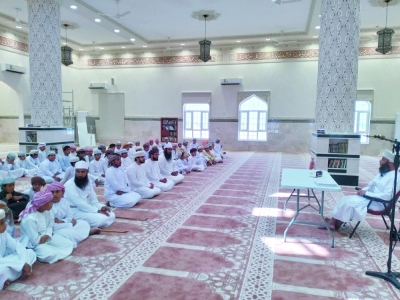
Local departments also reported finishing targeted village outreach activities: in the wilayat of Adam, a region-wide rural program engaged 140 students from surrounding villages, guided by 25 teachers and supervisors. Meanwhile, religious education centers in the Interior governorate hosted around 18,000 pupils across 230 mosque-based summer centers, according to the Directorate of Endowments and Religious Affairs.
Programs and participants: practical learning and national identity
Ministry officials said selection for residential and day programs followed organized school coordination, prioritizing age suitability, motivation and readiness to take part in experiential activities. The Challenge Journey emphasizes hands-on training in entrepreneurship, environmental stewardship, first aid and mental wellbeing, as well as group field challenges that foster teamwork and self-reliance.
Provincial education directorates are contributing students by grade range; for example, one governorate sent 100 students from grades nine through eleven in staggered groups to the Challenge Journey. Organizers highlighted the natural setting of Al Jabal Al Akhdar as an educational asset that helps participants learn about conservation and the importance of protecting natural resources.
Educational tracks and youth skills development
Summer offerings span formal and informal tracks, combining classroom instruction with practical workshops. The programming includes sessions on artificial intelligence, vocational and technical education, environmental sustainability, English language enhancement and entrepreneurship. Officials said the mix is intended to introduce students to future careers while strengthening core life skills.
Vocational preparation and language readiness
In North Al Batinah, the vocational education directorate launched an English skills program aimed at students preparing to join BTEC business and information technology pathways. The course, delivered at technical schools in Sohar and nearby wilayats, focuses on listening, speaking, reading and writing to raise readiness for vocational-study instruction conducted in English.
Similarly, the Muscat Academy of Applied Sciences delivered a five-day program in Luwi that included public speaking, leadership fundamentals, creative writing and an introductory workshop on artificial intelligence aimed at younger participants.
Community programs, women’s initiatives and cultural education
Civil society groups and women’s associations are running complementary summer activities that target families, women and children. In Al Awabi and Diba, the Omani Women’s Association organized entrepreneurship training, craft workshops, environmental-awareness sessions and health education. Officials said these programs aim to support economic empowerment while preserving cultural practices and Omani identity.
Religious and cultural education remains a major strand: mosque-based Quranic schools offered integrated curricula combining memorization, recitation and studies in prophetic traditions and jurisprudence alongside recreational outings, as administrators seek to balance spiritual learning with social and cognitive development.
Innovation, careers exploration and partnerships
Several governorates hosted initiatives that link students directly with industry and environmental agencies to map future career paths. A program titled “Ithmar – Opportunity Probe,” run by the national environmental services company in partnership with the Ministry of Education, arranged site visits and expert panels on sustainability, energy and innovation to help students understand workplace demands.
School-based innovation hubs also showcased student projects in resin art, Arabic calligraphy, mobile photography and basic robotics, while local visitor centres and cultural sites provided platforms for environmental and heritage education that combine tourism with conservation messaging.
Outcomes, monitoring and what to watch next
Officials emphasized that summer programming aims to produce measurable outcomes in youth skills development, civic engagement and readiness for vocational pathways. Educators reported gains in confidence, time management, teamwork and problem-solving among participants, based on facilitator observations and post-activity reviews.
Education directorates said monitoring will continue through the end of July, with evaluations informing curriculum adjustments and expanded partnerships for the next cycle. Stakeholders advised that parents and schools watch for published summer reports and follow-up opportunities linked to vocational enrollment and extracurricular clubs in the new academic year.
Conclusion: sustaining momentum into the school year
Summer programs in Oman are delivering broad-based learning experiences that connect classroom knowledge to practical challenges, from AI awareness to hands-on vocational training and environmental stewardship. As activities wind down this month, authorities plan to assess participation data and learning outcomes, refine selection and delivery methods, and scale successful modules into the regular school timetable and community offerings.
Readers should watch for official summaries and announcements from the Ministry of Education and regional directorates in the coming weeks to track results and opportunities for continued student engagement during the academic year.