






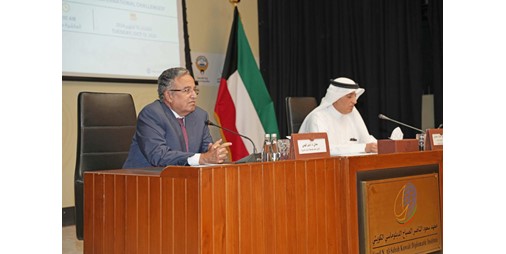

Future of Arab Collective Action: A Call for Initiative
The Secretary-General of the Arab League, Dr. Nabil Fahmy, emphasized the necessity for a proactive approach to Arab collective action. During a lecture at the Saud Al-Nasser Al-Sabah Diplomatic Institute, he discussed shaping a forward-looking Arab vision amid rapid global changes and rising regional challenges. This discourse reflects the urgency of moving beyond reactive measures to initiate meaningful strategies for the Arab world.
Key Themes in Arab Cooperation
In his address, Fahmy outlined three critical themes central to enhancing Arab cooperation. The first theme is the effective management of crises through addressing Arab issues with Arab solutions. This approach prioritizes local perspectives and expertise, fostering ownership and responsibility among Arab states.
The second ongoing challenge revolves around development, which he described as the foundation of progress and stability within the region. Finally, Fahmy highlighted sustainable development as essential for promoting stability and fulfilling the aspirations of Arab populations.
Challenges of Trust and Effectiveness
Fahmy acknowledged the declining trust in Arab collective action as one of the most significant challenges he faced at the beginning of his tenure. He stated that restoring this trust requires tangible achievements that resonate with ordinary Arab citizens, rather than mere political rhetoric. The emphasis on success in manageable areas could pave the way for tackling more complex and sensitive issues.
According to Fahmy, the need for clear and actionable decisions is paramount for achieving effective results. It is less about the legal texts of the Arab League Charter and more about the practical application of these principles in urgent situations, he remarked.
Global Context and Regional Implications
Fahmy reflected on the evolving global order, noting a shift from a system based on the rule of law established after World War II to one driven by power dynamics. He indicated that economic and trade tools are increasingly weaponized in international conflicts, affecting nations not directly involved in disputes. This change complicates the geopolitical landscape in which Arab countries operate, requiring a recalibration of their collective strategies.
The rise of technology, including drones and artificial intelligence, has accelerated decision-making in military contexts, leading to increased civilian target risks. Fahmy urges Arab nations to adapt to these transformations to secure their interests and respond adequately to emerging threats.
Youth and Water as Strategic Priorities
Highlighting demographic and resource challenges, Fahmy pointed out that youth constitute over 65% of the Arab population, making it imperative to prioritize programs and initiatives that engage this vital segment. Additionally, the issue of water scarcity is critical; addressing it can significantly impact future regional stability. Together, these elements demand attention as they shape the future of the Arab region.
Conclusion: Path Forward for Arab Cooperation
In conclusion, Dr. Nabil Fahmy’s insights call for a meaningful transformation in Arab collective action towards a more proactive, effective, and trust-inspiring model. The next steps involve focusing on achievable tasks that demonstrate the potential for Arab collaboration and the genuine impact it can have on people’s lives. As the region navigates through a complex geopolitical terrain, the call for unity and strategic foresight remains crucial. Observers will be keenly watching how Arab states mobilize around these themes in the coming months.