






Strengthening Saudi-Omani Relations
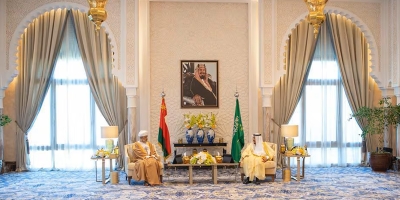
The Sultanate of Oman and the Kingdom of Saudi Arabia are rapidly developing their relations across various sectors, reflecting the vision and dedication of the esteemed leaderships of both nations. Under the guidance of His Majesty Sultan Haitham bin Tariq and King Salman bin Abdulaziz Al Saud, the historical, geographical, and social ties have established a strong foundation of mutual understanding and coordination, making the two countries a model for international cooperation.
Historical Context and Key Visits
The deep-rooted historical and fraternal ties between Oman and Saudi Arabia were emphasized by Ibrahim bin Saad bin Bishan, the Saudi ambassador to Oman. He highlighted the significance of the Sultan’s recent visit to Saudi Arabia, reinforcing the enduring brotherhood that exists between both countries. This visit is seen as a testament to the care and interest that King Salman and Crown Prince Mohammed bin Salman show towards these relationships.
This relationship is more than just a series of political alliances; it is built on a legacy of trust and mutual respect, defining a shared vision for a more secure and prosperous future. The cooperation has evolved over five decades, characterized by collaboration and continuous consultation on regional and international matters.
Economic Collaboration and Strategic Frameworks
The ambassador pointed out that the Saudi-Omani relations encompass more than political dialogue; they include significant economic partnerships. In December 2021, the establishment of the Saudi-Omani Joint Coordination Council marked a pivotal moment in this cooperation, providing a structured framework for enhancing collaboration in various sectors.
Recent high-level exchanges, including the Crown Prince’s visits to Oman, have solidified the communication and understanding between the two nations. The consistency in meetings between foreign ministers and other high-ranking officials from both countries reflects an advanced level of mutual comprehension that deems future collaboration beneficial for both the Omani and Saudi peoples.
Trade and Investment Growth
As the bond develops, both nations have invested in infrastructure to support their economic ties. This includes the inauguration of the Empty Quarter crossing in December 2021, which serves as the first direct land border between Saudi Arabia and Oman, significantly boosting trade and travel between the countries. By 2025, trade volumes through this route are expected to increase dramatically, illustrating the effectiveness of this collaboration.
Statistical data from recent years indicate robust growth in trade, with 2025 alone witnessing over 2.4 billion Omani Riyals in bilateral exchange. The trade figures reveal a steady increase in exports and imports, showing the enhancing commercial relationship that thrives between the nations and the increasing number of tourists traveling for business and leisure.
Looking Towards the Future
The trajectory of Saudi-Omani relations indicates a move towards enhanced cooperation in key areas such as clean energy, green hydrogen initiatives, and collaborative infrastructure projects. These efforts aim to ensure both nations benefit economically and socially, while promoting sustainable development aligned with Saudi Vision 2030 and Oman Vision 2040.
As both countries further integrate their economies, the focus will be on expanding investment opportunities in various sectors. Initiatives like the establishment of the Saudi Public Investment Fund office in Oman underscore the commitment to fostering stronger business environments and helping firms expand into the Omani market.
In conclusion, as Oman and Saudi Arabia reaffirm their historical bonds and embark on new ventures together, the future looks promising. Stakeholders on both sides expect increased cooperative efforts, especially in sectors like tourism, trade, and sustainable energy. Observing these developments will be crucial for understanding how these relationships shape the geopolitical landscape in the Gulf region.