






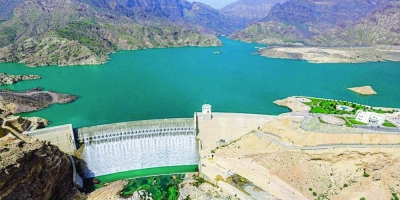

GCC groundwater extraction has fallen by 3 percent over the past nine years across the Gulf Cooperation Council, while the share of renewable water rose to 25.5 percent in 2024, according to data from the GCC Statistical Center. The figures, released this year, indicate a regional shift in water sourcing that reflects renewed emphasis on sustainable resource management and reduced reliance on deep aquifers.
The decline and the rise in renewable contributions were reported as part of broader efforts by member states to confront water scarcity and climate pressures. Officials and analysts say changes are being driven by expanded desalination capacity, greater reuse of treated wastewater, and national policies aimed at conserving groundwater reserves.
GCC groundwater extraction trends
Data from the GCC Statistical Center show a gradual but measurable reduction in groundwater withdrawals across member countries over the last nine years. The reported 3 percent drop in annual extraction is modest, but it marks a departure from earlier decades when groundwater was the dominant source for agriculture and many rural supplies.
Meanwhile, renewable water — a category that includes desalinated water, treated wastewater and naturally replenished sources — accounted for 25.5 percent of the region’s water mix in 2024. The shift toward renewable water is an important indicator of changing investment and operational priorities in national water strategies.
Drivers behind the reduction in groundwater use
Multiple factors contribute to declining groundwater dependence in the Gulf Cooperation Council. Desalination capacity has expanded steadily to meet urban and industrial demand, reducing direct pressure on aquifers. Additionally, increasing volumes of treated wastewater are being reused for irrigation and industrial purposes, officials said.
Policy interventions have also played a role. Several member states have implemented stricter groundwater extraction permits, introduced pricing reforms, and launched awareness campaigns to curb overuse. Furthermore, advances in irrigation efficiency and shifts in land use have reduced groundwater demand in some sectors.
Technological and policy responses: desalination and water reuse
Desalination and water reuse are central to the region’s strategy for enhancing water security. Desalination technology, including energy-efficient reverse osmosis plants, has become a principal source of potable water in many Gulf cities. Therefore, investments continue to focus on lowering costs and carbon intensity of large-scale plants.
Water reuse programs are also expanding, with treated municipal effluent increasingly applied to landscaping, agriculture and industrial cooling. In contrast to past practices that discharged treated wastewater, reuse reduces freshwater abstraction and supports circular water management. Regulators and utilities are adopting monitoring systems and quality standards to scale these programs safely.
Implications for water security and sustainable development
Experts warn that while the 3 percent reduction in groundwater extraction is positive, it does not eliminate long-term risks to aquifers that have been historically overdrawn. Groundwater recharge rates in the region are low, and climate variability can further stress supply, the report indicates. Therefore, continued diversification of water sources remains essential.
Increasing the renewable water share supports national sustainable development goals by lowering vulnerability to groundwater depletion and aligning water supply with projected urban growth. Furthermore, the integration of desalination, reuse, and demand-side measures can enhance resilience against droughts and heatwaves linked to climate change.
Regional cooperation and data transparency
Progress relies on coordinated policies and reliable data across GCC members, according to the Statistical Center’s release. Therefore, harmonizing monitoring methods and sharing best practices in groundwater management, desalination, and reuse are likely to feature in upcoming regional dialogues and technical exchanges.
Challenges and areas for further action
Major challenges persist, including the cost and energy footprint of desalination, regulatory barriers for reuse, and the need for improved leak reduction and metering. In addition, agricultural water use remains a significant consumer of groundwater in several states, suggesting targeted efficiency measures could yield substantial savings.
Investment in renewable energy for desalination, scaling decentralized reuse systems, and strengthening pricing and allocation frameworks are among the steps experts recommend. Furthermore, public awareness and stakeholder engagement are necessary to sustain reductions in groundwater extraction over the long term.
What to watch next
Stakeholders should monitor follow-up statistical releases from the GCC Statistical Center and national water strategy updates for trends in renewable water adoption and groundwater trends. In the near term, planned expansions of desalination infrastructure and new reuse projects will be key indicators of how quickly renewable water can substitute for extracted groundwater.
Finally, cross-border collaboration on research, technology transfer and governance will influence the pace of change. Therefore, readers should watch for regional meetings and technical initiatives that aim to standardize reporting and scale sustainable water management across the Gulf Cooperation Council.