








Enhancing Educational Performance in Al Dakhiliyah Governorate
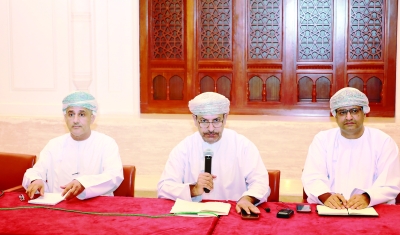
In an effort to improve school performance and educational quality, a recent educational meeting took place for school directors in the Al Dakhiliyah Governorate. The event, organized by the Directorate General of Education in the region, highlighted the importance of direct communication channels and a unified vision for school development. Hosted at the Sultan Qaboos Mosque in Nizwa, the meeting featured key officials, including Ali bin Abdullah Al-Harthi, the director general of the directorate.
The meeting commenced with a speech from the director general, emphasizing the crucial role of school administration in ensuring educational quality and proper organizational practices within schools. He underscored the need for school leaders to utilize performance indicators and external review results to establish development priorities and monitor the execution of school plans. Furthermore, he stressed enhancing direct communication with schools to discuss challenges and address the needs of the educational field.
Key Discussions and Presentations
The agenda included various workshops and specialized presentations on school performance indicators, professional guidance, international studies, vocational and technical education, and a review of the achievements of schools in the governorate for the academic year 2025/2026. Ahmad bin Abdullah Al-Tabi, the Director of School Performance Development, presented a paper analyzing performance indicators of schools subjected to external reviews. His analysis provided insights into strength areas and improvement opportunities, linking development plans to the indicators revealed by review processes.
Dr. Rasmiya Al-Hanashiya, Director of the Professional Guidance and Counseling Department, discussed the foundations and directives of specialized departments regarding the professional and guidance services provided to students. She highlighted the importance of clearly defined roles and coordinated efforts to support students in their academic journeys and future choices.
International Studies and Technical Education Insights
Saeed Al-Tabi, Head of the International Studies Department for Educational Evaluation, focused on international studies in mathematics and science (TIMSS) and their relevance in assessing student learning levels. His insights emphasized the need to leverage evaluation tools and their indicators to review educational practices and identify improvement needs.
Meanwhile, Abdullah Al-Henai, Assistant Director of Vocational and Technical Education, shared a presentation titled “Vocational and Technical Education: From Classrooms to Achievement Platforms.” He discussed recent developments in this field, linking it to educational pathways available for students and the role of school administrations in introducing these options to enhance students’ practical and professional skills.
Summary of Achievements and Future Steps
Azza bint Suleiman Al-Yarubi, Head of the Communication and Media Department, provided a summary of the achievements of educational institutions in Al Dakhiliyah for the academic year 2025/2026. Her presentation showcased the accomplishments and results achieved in various educational endeavors, highlighting the efforts of school administrations, educational staff, and students, thus demonstrating their contributions during the academic year.
The meeting concluded with an open discussion, allowing school directors to pose inquiries regarding the topics presented. This discussion facilitated dialogue on the practical application of these themes within schools and the ongoing monitoring of educational requirements. Such engagements aim to enhance coordination of efforts between specialized departments and schools, contributing to identifying priorities for improving both educational and administrative performance.
Looking ahead, stakeholders in the Al Dakhiliyah Governorate are expected to implement the discussed strategies actively. The outcomes of this meeting and the collaborative efforts of school leaders will be pivotal in fostering an environment conducive to educational excellence. The subsequent steps involve applying the proposed improvement plans and regularly reassessing their impact on student learning and overall school performance.