






Hajj and influencers: Between spiritual intent and content creation
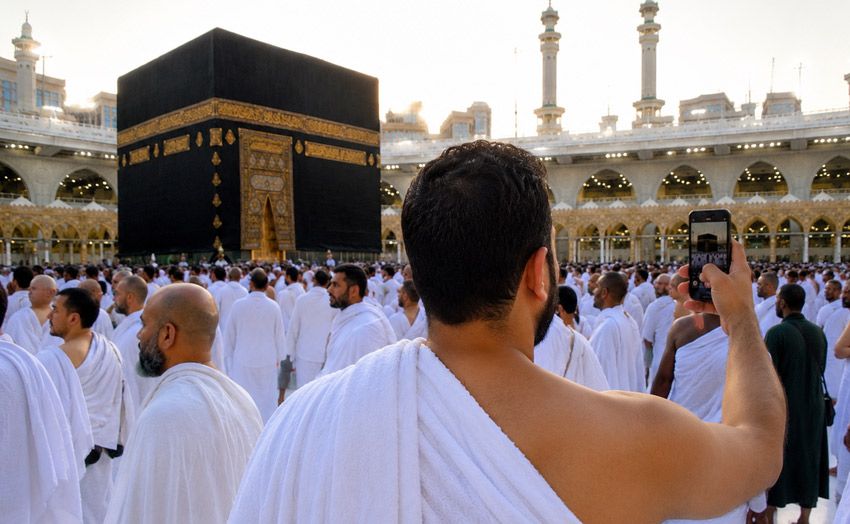
The rising presence of social media personalities at the annual pilgrimage has sparked debate about Hajj and influencers, as pilgrims document rituals from Mecca and Mina for followers worldwide. This year’s season saw a steady flow of online coverage, according to travel observers and officials, raising questions about the boundary between devotion and media production.
Who is involved, where it happens, and when matters: individuals from diverse countries travel to Saudi Arabia for the days of pilgrimage, and many now carry smartphones and streaming tools. Meanwhile, platform algorithms and audience demand shape what content appears, officials said, making the issue both religious and technological.
How social media has changed the pilgrimage experience
Social media has altered how people learn about and remember the pilgrimage. Information, live videos and short clips allow friends and family to follow along remotely, and that can expand interest and understanding of the rites. Additionally, content creation by visible figures can increase awareness of logistical aspects such as accommodation, transport and crowd management.
However, observers caution that the mediated experience can differ from private devotion. The presence of cameras may change behavior in ways that affect other pilgrims, and platform incentives can emphasize spectacle over reflection. Therefore, scholars and faith leaders encourage balance and sensitivity.
Hajj and influencers: ethical concerns and community responses
Religious communities and organizers have raised ethical concerns about monetizing sacred moments. The practice of broadcasting certain rites or using sponsorships during the pilgrimage has prompted debate, according to community representatives and media analysts. In contrast, some pilgrims say sharing moments can be an act of religious affirmation and education for distant relatives.
Faith leaders emphasize intention as a central ethical framework. If the primary motivation is spiritual observance, sharing can be framed as outreach; if content is driven by branding or revenue, community criticism often follows. Therefore, dialogue between influencers, religious authorities and travel organizers has increased.
Rules, privacy and consent
Privacy for fellow pilgrims and respect for sacred spaces are key concerns. Organizers and local authorities indicate that filming is subject to regulations that aim to protect personal dignity and crowd safety. Meanwhile, platform policies on content involving religious practices add a further layer of expectation for creators.
Regulation and the role of the Ministry of Hajj and Umrah
The Ministry of Hajj and Umrah and related agencies have responded by clarifying guidelines for pilgrims and service providers. Officials have reiterated that certain areas and moments require discretion, and they encourage cooperation with officials on the ground. Additionally, travel operators working under official permits are expected to follow rules on photography and media.
Meanwhile, enforcement can be situational, and messages from authorities often stress education rather than punitive measures. Observers note that consistent communication ahead of each season helps set expectations for international visitors and reduces friction during the pilgrimage.
Impact on religious tourism and local economies
Hajj remains a major driver of religious tourism, supporting hotels, transport and services around Mecca and Medina. Content produced by well-known creators can influence travel decisions and highlight service options, which benefits suppliers. Furthermore, some short-form content can provide practical tips that ease the pilgrim experience for first-time visitors.
In contrast, commercialized portrayals risk commodifying sacred rites in the view of critics, which could affect public perception of the pilgrimage. Therefore, economic benefits coexist with reputational and spiritual considerations that stakeholders must navigate carefully.
Practical guidance for pilgrims and creators
Pilgrims who wish to document parts of their journey are advised to be mindful of timing, place and the feelings of others. Simple gestures—asking for consent before recording someone, avoiding filming during private prayer, and prioritizing safety—help preserve the pilgrimage atmosphere. Additionally, creators can provide context in captions to emphasize educational intent over spectacle.
Platforms can also play a role by amplifying responsible content and offering clearer labels for sponsored material. Meanwhile, travel organizers and community leaders can produce pre-departure guidance that addresses both spiritual preparation and media etiquette.
What to watch next
As streaming tools and platform features evolve, the conversation around Hajj and influencers will continue. Stakeholders are expected to monitor compliance with guidance issued by the Ministry of Hajj and Umrah and to offer more structured briefings ahead of major pilgrimage seasons. Researchers may publish further studies on how social media affects the religious experience and tourist behavior.
Therefore, readers should watch for updated official guidance before the next season, shifts in platform moderation policies and initiatives by faith communities to promote respectful practices. Together, these steps will shape how devotion and digital expression coexist in future pilgrimages.