






Bahrain Institute for Political Development Holds Second Board Meeting of the Year
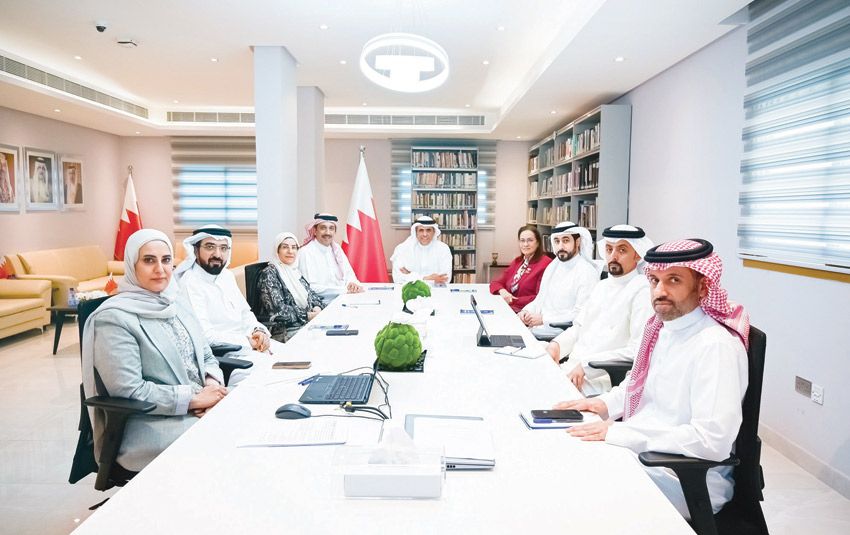
The Bahrain Institute for Political Development held its second board of trustees meeting for the year under the chairmanship of Dr. Ali bin Mohammed Al-Rumaihi, officials said. The meeting, attended by board members and Executive Director Iman Faisal Janahi, reviewed the institute’s progress, recent programs, and planned initiatives aimed at strengthening political awareness and community participation in the Kingdom of Bahrain.
Overview of Meeting Outcomes and Reviewed Programs
During the session the board examined the institute’s activities during the first half of the year and assessed implementation outcomes across training, outreach, and awareness campaigns. Members noted a series of targeted initiatives designed to promote political awareness and civic engagement, with a focus on practical capacity building for diverse community groups. Furthermore, board officials reviewed monitoring data and administrative reports to evaluate impact and identify areas for refinement.
The board commended the execution of specialized workshops and public seminars, which according to meeting documents, contributed to higher engagement levels in local civic processes. Meanwhile, attendees highlighted the importance of aligning program content with national development priorities to ensure relevance and sustained uptake among participants.
Main Plans for Upcoming Period at the Bahrain Institute for Political Development
Looking ahead, the Bahrain Institute for Political Development presented a schedule of events and projects planned for the coming months, officials said. The roadmap includes both general awareness campaigns and targeted capacity building modules for youth, women, and local leaders. Additionally, the institute plans to expand collaborative activities with government agencies, educational institutions, and civil society partners to broaden reach and enhance program effectiveness.
To strengthen delivery, the board endorsed measures to deepen partnerships and streamline coordination with relevant stakeholders. Therefore, program managers were asked to prioritize measurable outcomes and incorporate feedback mechanisms to track progress and adapt content as needed.
Board Praise for Executive Management and Implementation Quality
The trustees praised the executive management team for efficient implementation and professional planning, noting improvements in administrative systems and program logistics. Officials said the institute demonstrated a growing capacity for delivering well-structured training and outreach, which reflects positively on governance and institutional maturity. Furthermore, the board reaffirmed its support for continued investment in staff development and operational processes to sustain momentum.
Board members emphasized the need to maintain high standards while scaling activities, pointing out that quality assurance and evaluation are essential to preserving the institute’s standing as a national resource for political education and public policy training.
Context: Role of the Institute in Bahrain’s Development Agenda
The Bahrain Institute for Political Development operates within a broader national framework that encourages informed civic participation and supports public policy literacy. According to official descriptions, the institute’s mandate includes designing programs that promote democratic values, enhance political awareness, and cultivate leadership skills across society. In this context, its activities contribute to wider socio-economic development objectives by fostering an engaged and capable citizenry.
In recent years the institute has increased emphasis on inclusive approaches that reach younger demographics and underrepresented groups, reflecting policy priorities that link civic education with long-term societal resilience. Therefore, observers say, continued coordination with educational and governmental partners remains crucial to maximize impact.
Implications for Stakeholders and Policy Makers
The board’s review and forward plan carry practical implications for stakeholders across the public and private sectors. For program partners, the institute’s commitment to performance measurement signals opportunities for evidence-based collaboration. For policymakers, strengthened civic education initiatives can help expand informed participation in national dialogues and policy consultations. Furthermore, the emphasis on community participation supports efforts to build social cohesion and local leadership capacity.
Meanwhile, participants and civil society organizations should expect expanded training offerings and outreach platforms, with an increasing focus on interactive formats and digital engagement to reach wider audiences.
Monitoring, Evaluation and Next Steps
Trustees requested that the executive office present a detailed implementation timeline and monitoring framework at the next meeting, officials said. This will include defined indicators for participation rates, satisfaction, and learning outcomes, as well as plans for periodic reporting. Furthermore, the board called for strengthened feedback channels with beneficiaries to refine curriculum design and delivery modes.
As a practical next step, program teams will finalize partnerships and publicize upcoming training cycles and events. Therefore, stakeholders and potential participants should monitor the institute’s official communications for registration details and schedules.
Conclusion: What to Watch Next
In conclusion, the board meeting affirmed the Bahrain Institute for Political Development’s role in advancing political awareness, community participation, and capacity building across the kingdom. Observers should watch for the institute’s forthcoming event calendar, the publication of its monitoring framework, and announcements of new partnerships over the coming months. These actions will indicate how effectively planned reforms and program expansions translate into measurable civic engagement outcomes.