






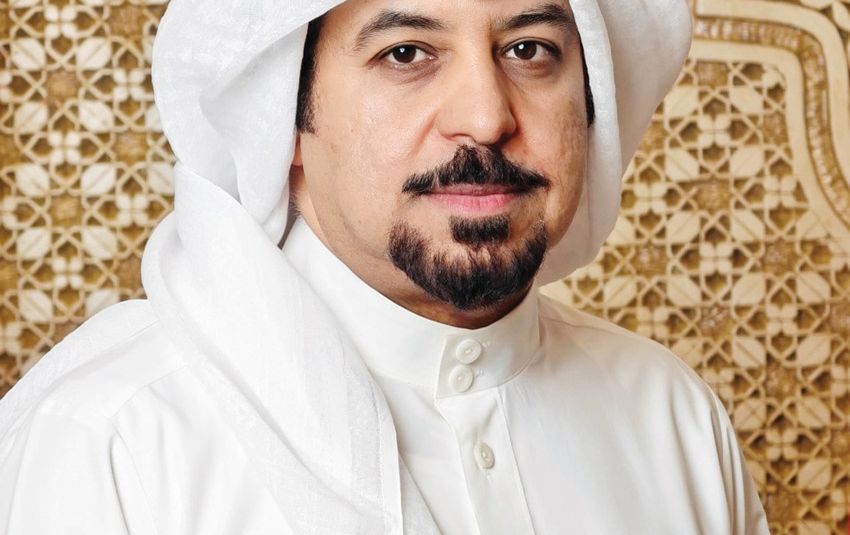

The Ashura season Bahrain this year drew widespread commendation from religious leaders and officials, who described the observance as well-organized and peaceful. Hussein Salman Al-Awainati, head of the Abu al-Fadl al-Abbas matam in Sand, said the season’s arrangements and services underscored the event’s respected status in the kingdom.
Officials and community representatives reported that the period of mourning and commemoration, which took place across Bahrain in recent days, proceeded with coordinated security measures and comprehensive public services. Authorities credited the joint efforts of government agencies and civic groups for ensuring orderly processions and safe gatherings throughout the country.
Ashura season Bahrain draws praise for organization
Leaders involved in organizing the Ashura season Bahrain highlighted the combination of logistical planning and community cooperation that enabled successful observance. According to statements attributed to Al-Awainati, the season benefitted from clear guidance, designated routes for processions, and accessible amenities for participants, which reduced congestion and enhanced safety.
Furthermore, the observance benefited from visible government support, including municipal services, health teams, and traffic coordination. Officials said that these measures reflected an integrated approach to managing large public events and maintaining public order during a significant religious observance.
Government and community roles in a safe, orderly observance
Government agencies and voluntary organizations worked closely to provide the public services necessary for ceremonies, including sanitation, emergency response, and crowd management. The Crown Prince’s office and relevant ministries were acknowledged for allocating resources and facilitating coordination among security, health, and municipal units.
Meanwhile, organizers of matams and community volunteers emphasized their role in directing attendees, setting up temporary facilities, and offering hospitality to participants. This local involvement reinforced national unity and helped authorities maintain safety and security without imposing heavy restrictions on religious expression.
Coordination and practical arrangements
Practical arrangements included designated assembly points, medical stations, and clear signage to guide participants. Authorities reported that traffic diversions and temporary parking plans minimized disruption to daily life while enabling safe access to commemorative sites. Additionally, coordination with private sector service providers helped ensure adequate water, sanitation, and other basic needs.
Support from leadership and religious tolerance messaging
Al-Awainati publicly expressed gratitude to King Hamad bin Isa Al Khalifa for his continued support of religious events and to Crown Prince Salman bin Hamad Al Khalifa for the government’s logistical backing. Observers noted that such endorsements contribute to a national narrative of coexistence and respect for religious diversity.
International observers and community leaders often point to Bahrain’s approach as an example of managed religious pluralism. The success of the Ashura season contributed to that image by demonstrating that large-scale religious observances can proceed in an environment that respects both tradition and public order.
Social cohesion and long-term implications for national unity
Community statements stressed that the season reinforced bonds among residents and highlighted the value of civic responsibility. According to organizers, the public’s adherence to regulations and mutual support during events signaled an elevated sense of collective responsibility and concern for the welfare of others.
These developments may carry lasting implications for national unity, as officials and community leaders intend to build on cooperation models established during the season. Analysts said that effective management of religious observances can strengthen trust between the public and institutions and contribute to broader social stability.
Related considerations for future events
Planners noted that lessons learned from the Ashura season Bahrain will inform preparations for upcoming entries in the religious calendar and other public gatherings. Emphasis will likely remain on improving communications, enhancing emergency response capacity, and expanding volunteer networks to support future events.
Observers also pointed to the importance of continued dialogue among religious leaders, civic organizers, and government agencies to preserve the peaceful character of public commemorations. Such coordination, they said, helps safeguard both freedom of worship and community safety.
Conclusion: The successful Ashura season Bahrain this year was described by organizers and officials as a product of effective planning, institutional support, and strong community participation. Moving forward, authorities and civil society groups are expected to review operational outcomes and refine strategies ahead of the next major religious observances. Readers should watch for official announcements regarding evaluations and any proposed improvements to public services and safety measures in the months ahead.