






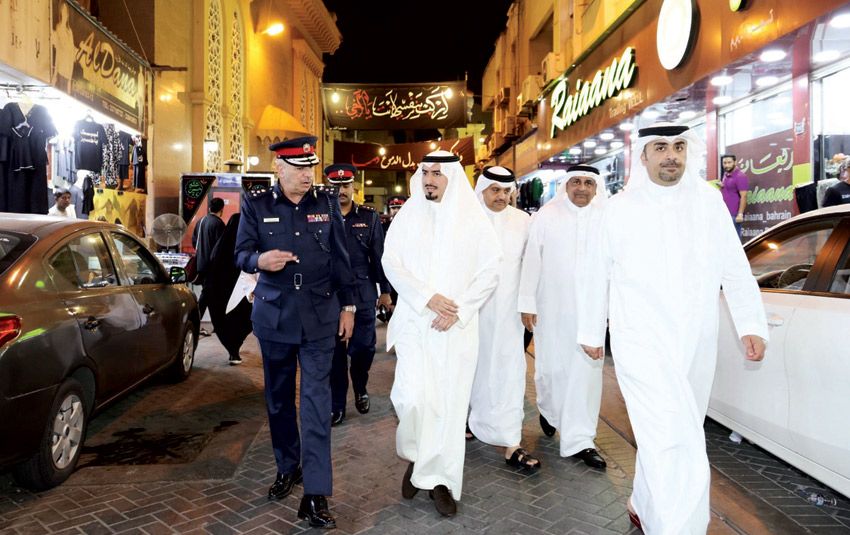

Bahrain religious freedoms praised after successful Ashura season
The success of this year’s Ashura season in Bahrain drew broad praise, with religious leaders and community organizers saying the events underscored Bahrain religious freedoms and the kingdom’s commitment to peaceful observance. Officials and heads of matams and processions credited coordinated planning, royal patronage and comprehensive public services for enabling safe, dignified ceremonies across the country.
Royal patronage and official backing cited as key factors
Religious figures expressed gratitude to King Hamad bin Isa Al Khalifa and Crown Prince Salman bin Hamad Al Khalifa for what they described as steady support for religious practice. According to statements from organizers, royal patronage helped set the tone for inclusive, well-managed observances and reassured participants about protection of rights and public order.
Furthermore, religious leaders said that the leadership’s visible support signaled respect for pluralism and reinforced confidence among citizens and residents. The ministry-level involvement, they added, was critical to integrating public services with community efforts.
Coordination between authorities and community groups
Officials from the Ministry of Interior and municipal authorities worked closely with endowments, community police units and volunteer groups to plan routes, crowd management and health provisions. Police and emergency services provided operational support, while municipalities handled venue readiness and sanitation, officials said.
Community organizers noted that this coordination reduced logistical friction and allowed processions and commemorative gatherings to proceed with minimal disruption. Meanwhile, volunteers and local committees played a central role in crowd guidance and in offering assistance to participants, according to those involved.
Security, health and logistical measures enabled smooth observance
Security measures prioritized safety without curtailing religious expression, officials reported. Strategic deployments, traffic management plans and on-site medical teams were among the measures credited with maintaining order and minimizing risks for large gatherings.
Health authorities also contributed by stationing medical personnel and ensuring that emergency protocols were in place. Therefore, organizers said attendees could focus on observance in an environment marked by calm and predictability rather than uncertainty.
Community discipline and volunteerism highlighted
Organizers emphasized that public cooperation and a culture of responsibility among participants were essential to the season’s success. The disciplined conduct of processions, adherence to designated routes and respectful interactions with security personnel reduced the need for heavy-handed enforcement, they said.
Volunteers from local neighborhoods supported logistical tasks such as crowd flow, hydration stations and welfare assistance, reflecting a broader community investment in the safe conduct of religious rites. These grassroots efforts complemented official plans and articulated a shared sense of civic duty.
Message of interfaith coexistence and regional relevance
Religious leaders and civic figures said the Ashura season conveyed a broader message about interfaith coexistence and Bahrain’s model of religious tolerance. Observers noted that the coordinated approach projected an image of social cohesion and respect for diversity, which could serve as a reference point in the region.
In addition, commentators suggested that the public handling of religious events contributes to national stability by reinforcing bonds between state institutions and local communities. Accordingly, analysts said such events help strengthen the country’s reputation as a place where different traditions can be observed peacefully.
Community impact and social cohesion
Local stakeholders pointed out that successful religious seasons have wider social benefits, including reinforcing civic networks and supporting charitable activities tied to observance. These outcomes, they added, help sustain community resilience throughout the year.
Implications for policy and future observances
Officials and community leaders indicated that lessons from this season will inform planning for future religious and national events. Reviews of traffic arrangements, volunteer training and medical coverage are expected to refine operational frameworks and improve responsiveness.
Moreover, continued dialogue between faith institutions and government agencies is likely to shape policies that balance security needs with respect for worship practices. Therefore, stakeholders said they will maintain coordination mechanisms to ensure preparedness for upcoming religious anniversaries and public gatherings.
Conclusion: What to watch next
Looking ahead, authorities plan to publish evaluations and recommendations that reflect the season’s outcomes, and officials said similar coordination is anticipated for next major religious observances. Observers should watch for official statements from the Ministry of Interior and relevant municipal bodies outlining follow-up actions and timelines.
In summary, this year’s Ashura season in Bahrain has been presented by organizers as a demonstration of Bahrain religious freedoms, strengthened by royal patronage, interagency coordination and active community participation. Stakeholders will now focus on implementing lessons learned to support continued peaceful observance and social harmony.