







Ashura season Bahrain: Organized, Secure and Stable
Bahrain concluded the 2026 Ashura season with wide acclaim as organized public commemorations proceeded across cities and villages under calm, secure conditions. Ashura season Bahrain officials said the outcome reflected sustained government support, coordinated security measures and active community participation that enabled citizens and residents to observe rituals safely and respectfully.
Who led the coordination and what happened
Senior religious figures and heads of mourning committees attributed the smooth operation to direct royal patronage and prompt government coordination. Organizers thanked King Hamad bin Isa Al Khalifa and Crown Prince Salman bin Hamad Al Khalifa for oversight, while the Ministry of Interior coordinated logistics, traffic management and emergency services, officials said.
Meanwhile, security forces maintained presence across key routes and gathering points to ensure public safety and orderly movement, and health and municipal services were deployed to support uninterrupted rituals. The ministry’s operational plans aimed to balance freedom of worship with public order, sources added.
Government coordination and security measures
Authorities implemented an integrated plan covering security, traffic, sanitation and medical readiness, according to public statements. Police, community officers and municipal teams worked together to open access routes, manage crowd flows and provide on-site assistance, which helped minimize disruptions and responded promptly to any incidents.
Furthermore, the Ministry of Interior and health authorities maintained joint command centers to streamline communications and resource allocation. The ministry’s published updates and official briefings underscored the emphasis on public safety and the protection of religious expression throughout the season.
Community and religious leaders praise the model
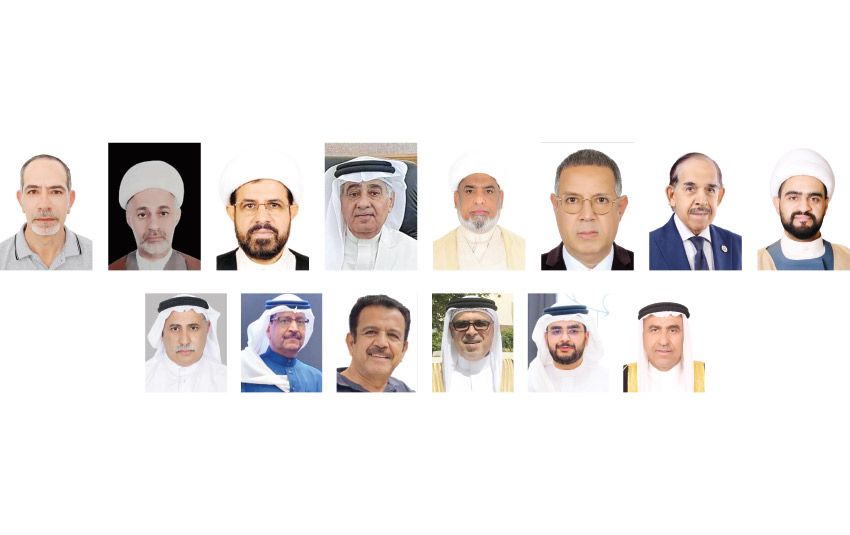
Religious leaders and matam (mourning house) heads described the season as a demonstrative example of civic cooperation and respect for religious practice. Leaders such as Sheikh Maytham Al-Daghas and other prominent organizers highlighted volunteer mobilization, adherence to organizational guidelines and collaborative problem-solving between state agencies and local committees.
They also commended the visible role of volunteers, local councils and family networks in maintaining respectful behavior and ensuring the welfare of participants, which organizers said reinforced social solidarity and mutual respect across the kingdom.
How services supported smooth observance
Municipal crews, health teams and transportation authorities provided targeted services to support large gatherings. Temporary lighting and sanitation works, first-aid posts and designated traffic diversions improved procession routes and access to matams, officials reported.
In addition, community outreach and guidance on safety protocols helped organizers implement measures that respected religious rituals while reducing hazards. Therefore, the combined approach sought to sustain both dignity of observance and practical public safety.
Religious coexistence and social cohesion outcomes
Observers and civil society representatives noted that the Ashura season advanced Bahrain’s broader goals of religious coexistence and national unity. The coordinated response between state institutions and community groups demonstrated how religious events can reinforce social bonds when supported by clear planning and mutual respect.
Furthermore, analysts said the season illustrated how public ceremonies contribute to national identity while showcasing the kingdom’s capacity to accommodate diverse religious practices within a secure civic framework.
Secondary keywords in context
Related themes such as religious coexistence, public safety and government support appeared throughout official commentary and community feedback. These elements were repeatedly cited as central to the season’s success and are likely to inform planning for future religious and public events.
Implications for policy and future events
Officials and community leaders indicated that lessons from this season will shape annual planning cycles and contingency protocols. Enhanced coordination templates, volunteer training programs and improved real-time communications are among the measures being considered to maintain high standards of organization and security.
Therefore, policymakers are expected to review operational reports and stakeholder feedback in the coming weeks to refine procedures ahead of other major observances and public gatherings.
What to watch next
Readers should monitor official updates from the Ministry of Interior and municipal authorities for post-season assessments and any announced policy changes. The ministry’s website and local press briefings will likely publish after-action summaries outlining resource allocation, incident responses and recommendations for enhancing future event management.
Meanwhile, community groups will continue local coordination efforts and may introduce additional volunteer training to sustain momentum in civic engagement.
Conclusion and forward look
The 2026 Ashura season in Bahrain was widely regarded as a model of organized, secure and stable religious observance, reflecting sustained government support and active community participation. Moving forward, authorities and civil society are expected to consolidate operational gains and produce formal guidance to ensure that future seasons preserve both the dignity of ritual and public safety.
Watch for formal reports and stakeholder meetings in the coming months that will detail next steps, timelines for improvements and how the lessons learned will be integrated into annual planning for religious and community events.