






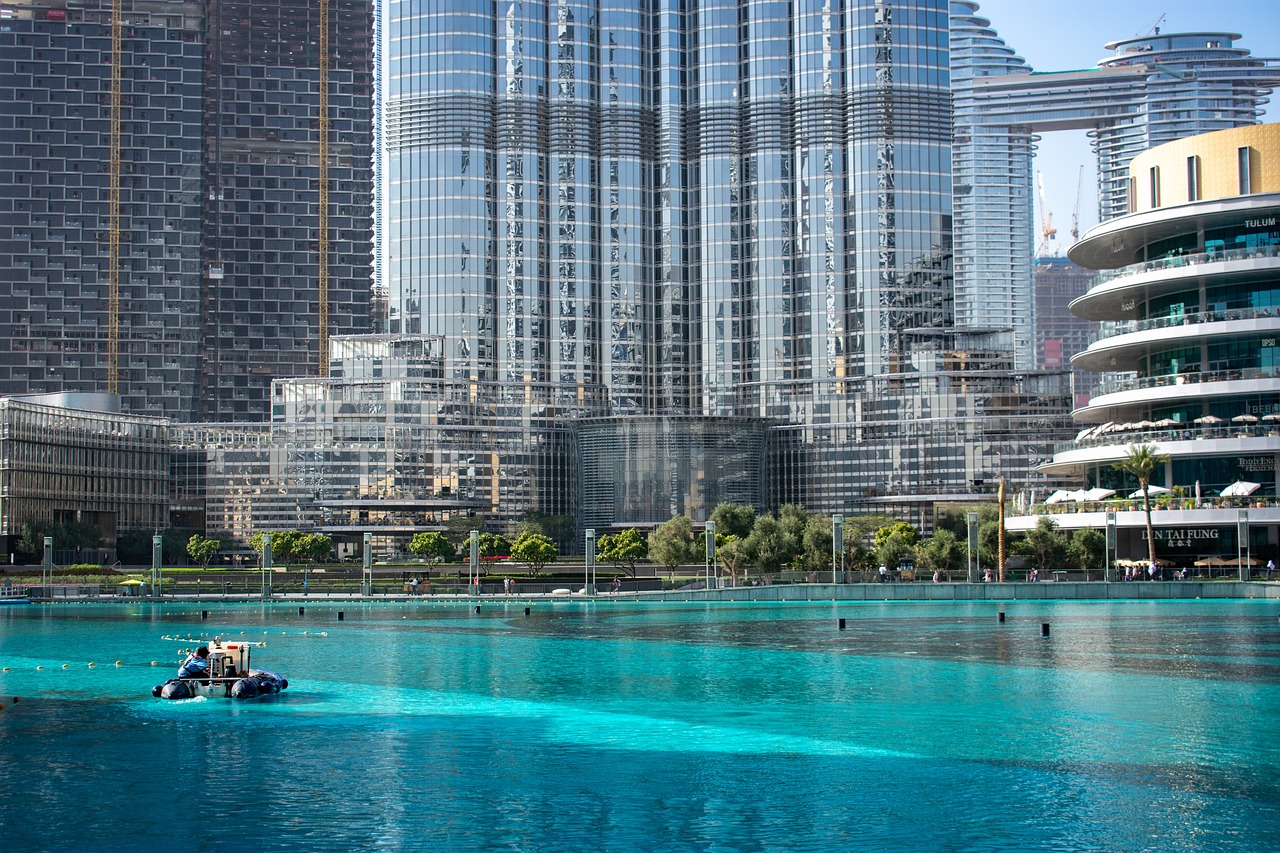

Choosing between Dubai vs Riyadh real estate investment comes down to your goals: liquidity, regulatory comfort, short-term rental income, and speed of exit favor Dubai, while large-scale reform, long-term corporate demand and government-driven projects can make Riyadh attractive for patient investors. Both markets are active in 2026 and beyond, but they serve different investor profiles — Dubai is mature, tourism-led and internationally accessible; Riyadh is expanding rapidly under Saudi Vision initiatives and is more focused on domestic and regional demand.
If you plan to visit properties before you buy, travel logistics, local regulations and finance options will influence which market fits you. This comparison highlights ownership structures, rental demand, returns versus risks, traveler-focused inspection tips and practical advice to help you decide whether Dubai vs Riyadh real estate investment is better for your portfolio.
Quick Answer
Dubai vs Riyadh real estate investment: Dubai is typically better for foreigners seeking quick market access, tourism-driven rental income and higher liquidity. Riyadh can be better for long-term investors betting on Saudi economic transformation, corporate relocations and infrastructure-led appreciation. Your timeline, risk tolerance and residency objectives should determine the right choice.
Key Takeaways
- Dubai offers freehold areas, international buyer access, strong short‑term rental demand and high market liquidity.
- Riyadh offers structural upside tied to economic reform and corporate demand, but investor access and stability are evolving.
- Financing, taxes, legal frameworks and residency options differ greatly — verify current rules with official sources and local advisors.
- Visit properties in person, use local brokers, and budget for transaction costs, property management and potential vacancy.
Dubai vs Riyadh real estate investment: Market overview
Dubai market snapshot
Dubai’s property market is internationally oriented, with many freehold zones where non‑residents can buy apartments and villas. Tourism, short-term rentals, and a steady flow of expatriates and business travelers sustain rental demand. Major international airports, global flight connectivity and a mature hospitality sector boost occupancy rates in well-located neighborhoods.
Riyadh market snapshot
Riyadh is the commercial heart of Saudi Arabia and is undergoing rapid transformation under national economic programs. Demand is driven by population growth, office relocations, government projects and megaprojects tied to diversification. The market can offer significant capital appreciation over time, but investor access and legal frameworks are different from Dubai’s, so due diligence is essential.
Ownership, financing and legal mechanics
Ownership and property types
Dubai tends to offer clear freehold ownership in designated zones, which is attractive for international buyers. Properties range from studio flats to luxury villas and hotel apartments suitable for short‑term rentals. Riyadh’s ownership rules and land use are developing as policies evolve; residential and mixed‑use projects are expanding rapidly, often led by large local developers and institutional investors.
Financing, mortgages and transaction costs
Both cities have mortgage markets, but eligibility, loan‑to‑value ratios and documentation differ by nationality and lender. In Dubai, foreign buyers commonly access mortgages from local and international banks; in Riyadh, domestic lending typically requires local documentation and may favor residents or corporate structures. Always compare interest rates, fees and required down payments, and work with a qualified mortgage broker.
Taxes, fees and recurring costs
Neither UAE nor Saudi Arabia has a general personal income tax, but transaction fees, registration costs, service charges and value‑added taxes can affect net returns. Service charges for buildings and maintenance can vary widely and materially impact rental yields. Confirm current tax regimes and fees with official government portals and your tax adviser before investing.
Returns, risks and liquidity: Dubai vs Riyadh real estate investment
Direct comparisons: Dubai often delivers quicker liquidity and pronounced rental seasonality tied to tourism and events. Riyadh’s returns may be more correlated with corporate leasing and long‑term demographic growth. Both markets carry development risk, regulatory risk and macroeconomic exposure to oil prices and global capital flows.
- Liquidity: Dubai generally more liquid for resale and short‑term rental markets.
- Yield vs appreciation: Dubai can offer attractive short‑term yields in prime tourist zones; Riyadh can offer slower but potentially steadier capital appreciation tied to reforms.
- Regulatory risk: Riyadh is modernizing rapidly — that creates opportunity but also regulatory change; Dubai has clearer frameworks for international buyers.
| Factor | Dubai | Riyadh |
|---|---|---|
| Foreign ownership | Established freehold zones | Expanding access, rules evolving |
| Liquidity | High in core areas | Lower but improving |
| Rental demand | Tourism + expats | Local workforce + corporate tenants |
| Transparency | Higher | Improving |
| Best for | Short-term income, quick exits | Long-term growth, strategic plays |
Practical advice for investors and travelers
Do thorough due diligence
Request title documents, verify developer track records, and check outstanding service charges and HOA rules. Use independent lawyers and licensed brokers in each country to avoid surprises.
Inspect properties in person
Plan a multi‑day visit to inspect finished units, show apartments and surrounding infrastructure. For Dubai, prioritize areas near Dubai International Airport (DXB) or Dubai Marina for tourist rental demand. For Riyadh, target central business districts and neighborhoods close to corporate hubs and King Khalid International Airport (RUH).
Avoid common mistakes
Don’t rely solely on marketing materials or staged showrooms. Avoid underestimating running costs or over‑leveraging based on optimistic rent projections. Check local tenancy laws and eviction procedures before committing.
Best Tips for Planning Your Trip to Scout Properties
- Book a mix of private viewings and developer showrooms; schedule them near each other to save time.
- Stay in a centrally located hotel or serviced apartment to observe neighborhood foot traffic and transport links.
- Bring originals of your passport, proof of funds and appointment confirmations; some viewings require identification.
- Arrange meetings with local banks, lawyers and property managers while you’re in town to clarify financing and management options.
- Check flight connections with major carriers (e.g., Emirates, flydubai, Saudia) and confirm visa requirements well in advance with official authorities.
Who is this best for?
Dubai vs Riyadh real estate investment suits different profiles. Choose Dubai if you want fast market entry, international tenant pools and flexible short‑term rental options. Choose Riyadh if you’re a longer‑horizon investor willing to engage with local partners, tolerate slower liquidity and capitalize on systemic economic shifts.
Is it worth it?
Yes—if you align your investment horizon and risk tolerance with the market characteristics. Dubai is often worth it for investors seeking immediate income and easy exits; Riyadh is worth it for those seeking exposure to Saudi Arabia’s structural growth and willing to accept evolving regulations.
Conclusion
Dubai vs Riyadh real estate investment is not a one‑size‑fits‑all question. Dubai rewards mobility, tourism‑driven demand and ease of access for international buyers. Riyadh offers longer‑term structural upside tied to national transformation and corporate demand, but requires careful legal and market navigation. Visit both markets, consult local professionals, and align property choices with your investment timeline and liquidity needs before committing capital.
Frequently Asked Questions
Can foreigners buy property in Riyadh?
Short answer: Access is improving, but rules differ from Dubai and often require local processes. Check current regulations and consult a local real estate lawyer or government portal for updated ownership policies.
Does buying property in Dubai grant residency?
Short answer: Some property purchases may qualify investors for residency programs, but rules and thresholds change. Confirm eligibility and the latest visa pathways with UAE immigration authorities or an immigration specialist.
Which city has higher rental yields: Dubai or Riyadh?
Short answer: It depends on location and property type; prime Dubai tourist areas can show strong short‑term yields while Riyadh yields may vary with corporate leasing demand. Compare net yields after service charges and vacancy to get a realistic picture.
How do I finance a property purchase in each city?
Short answer: Mortgages are available in both markets, but terms vary by lender, residency status and nationality. Speak to local banks or mortgage brokers to understand documentation requirements and current rates.
What are common mistakes first‑time investors make?
Short answer: Rushing purchases, underestimating service charges, ignoring tenancy laws and skipping independent legal checks are common pitfalls. Always conduct inspections, review contracts and use licensed professionals.
Should I use a property manager for rental properties?
Short answer: Yes, a local property manager simplifies tenant placement, maintenance and compliance, especially if you’re investing from abroad. Compare management fees and services to ensure they align with your expected returns.
How do I check current rules and taxes?
Short answer: Consult official government portals, local municipal websites and licensed advisors for the most up-to-date rules. Real estate laws and tax policies change; verify before making decisions.