



Real estate investors are increasingly eyeing Saudi Arabia, and the question many ask first is: which cities offer the best combination of growth, rental demand, and capital appreciation? The best cities to invest in real estate in Saudi Arabia include Riyadh and Jeddah for urban demand; Dammam, Jubail and the Eastern Province for industrial and logistics plays; and new tourism hubs like NEOM, the Red Sea Project, and AlUla for long-term hospitality and resort opportunities. King Abdullah Economic City and other coastal developments also present mixed-use and off-plan prospects.
Choosing the right city depends on your strategy: buy-to-let apartments, short-term tourist rentals, commercial offices, or industrial and logistics assets. Local drivers such as Saudi Vision 2030 projects, population growth, rising domestic tourism, and expanding air connectivity shape where demand will be strongest. Before committing, verify ownership rules, licensing, and taxes with official Saudi authorities and a qualified local lawyer or advisor.
Quick Answer
The quickest answer: Riyadh and Jeddah are the safest mainstream bets for residential and commercial returns; Dammam, Jubail and the Eastern Province lead for industrial and logistics; NEOM, the Red Sea Project and AlUla are the best locations for tourism and high-end resort investment; and King Abdullah Economic City is a strong coastal development option. Always confirm legal and tax rules for foreign investors before buying.
Key Takeaways
- Riyadh: large urban demand, office and apartment focus, strong infrastructure and air links (King Khalid International Airport).
- Jeddah: gateway to Red Sea tourism and religious travel, good for residential, hospitality, and retail near King Abdulaziz International Airport.
- Eastern Province (Dammam/Khobar/Jubail): industrial, logistics, and energy-related real estate; proximity to King Fahd International Airport and major ports.
- NEOM / Red Sea / AlUla: long-term tourism and luxury resort plays tied to Vision 2030 developments.
- KAEC and coastal cities: planned communities and off-plan opportunities with port and logistics advantages.
- Due diligence and local legal advice are essential — rules and incentives change.
Why Saudi Arabia Is Moving to the Top of Investors’ Lists
Saudi Arabia’s economy is diversifying beyond oil, and the state’s Vision 2030 initiatives are driving major urban and tourism projects. That creates zones of concentrated development where infrastructure, transport links, and regulatory incentives attract private capital.
Domestic demographics — a young population with rising household formation — underpin long-term demand for housing. At the same time, expanding international travel and mega-projects are creating new opportunities in hospitality, retail and logistics.
Top Cities to Invest in Real Estate in Saudi Arabia
Riyadh — Best for Urban Homes, Offices and Long-Term Appreciation
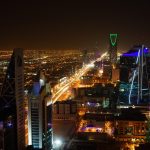
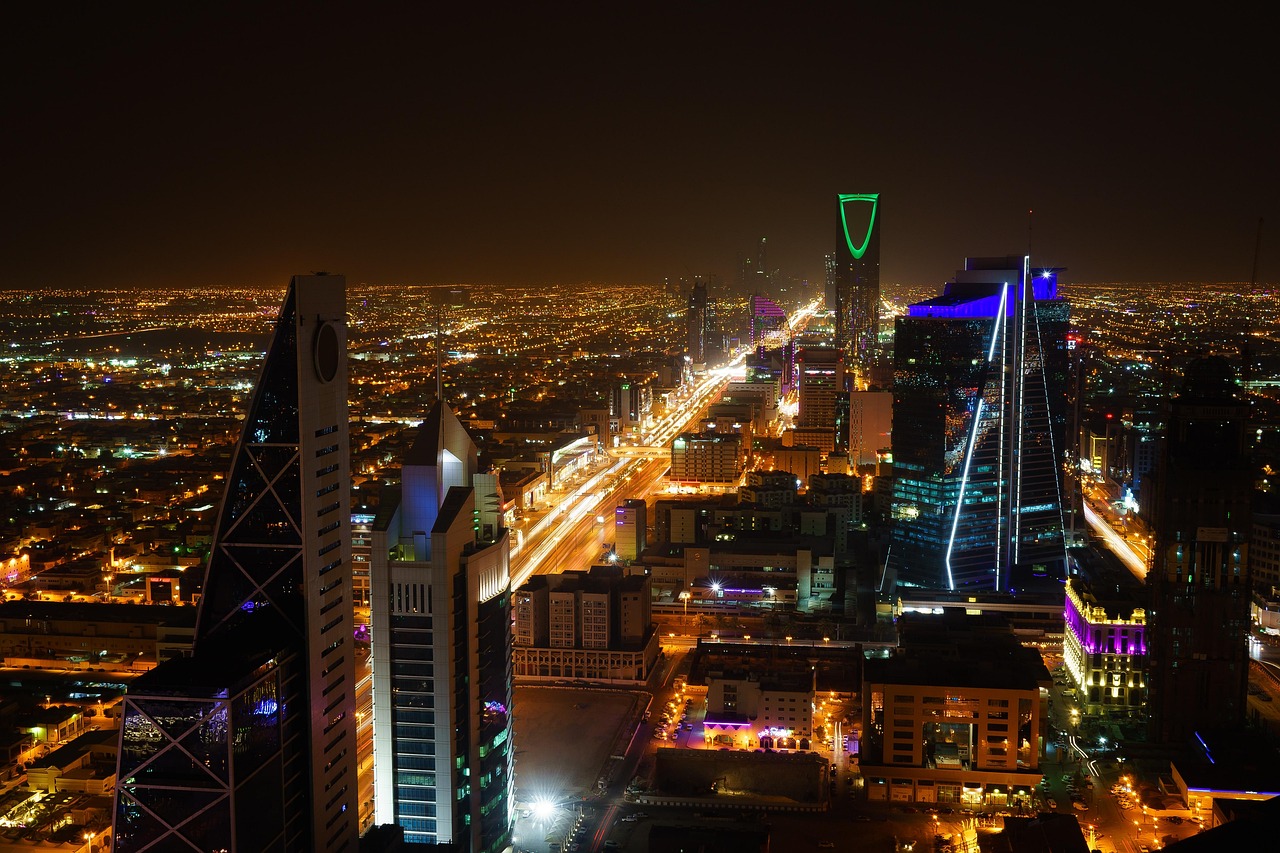
Riyadh is Saudi Arabia’s political and business center. Investment opportunities include residential apartments, mixed-use developments and office space near central business districts and planned projects like Qiddiya on the city’s outskirts. King Khalid International Airport and improving metro and road networks support commuting and rental markets.
What to check: neighborhoods with steady rental demand, proximity to employment centers, and upcoming transport projects. Work with local agents who understand Riyadh’s zoning and development timelines.
Jeddah — Gateway to Tourism, Religious Travel and Coastal Living
Jeddah’s coastal location, large population, and role as a gateway for pilgrims make it attractive for residential rentals, retail, and hotel investments. The Red Sea tourism corridor and nearby luxury developments magnify its appeal for hospitality investors. King Abdulaziz International Airport handles international and domestic traffic, supporting short-term rental demand.
What to check: areas close to Corniche, new waterfront developments, and accessibility to pilgrimage routes; be mindful of seasonal peaks around Hajj and Umrah.
Eastern Province (Dammam, Khobar, Jubail) — Industrial and Logistics Focus
The Eastern Province hosts major energy infrastructure, petrochemical zones and busy ports. Dammam and Khobar support residential demand, while Jubail and nearby industrial cities are prime for industrial real estate, warehouses, and logistics centers. Proximity to King Fahd International Airport and the Arabian Gulf ports is a major plus.
What to check: lease structures for industrial land, port access, and customs or free-zone benefits. These are often commercial plays with corporate tenants rather than retail landlords.
NEOM, The Red Sea Project and AlUla — Tourism and Luxury Resort Opportunities
These are national-scale tourism projects designed to attract international visitors with new resorts, entertainment and conservation-led experiences. Investment here is longer-term and often involves partnerships, concessions, or hospitality development agreements rather than simple residential purchases.
What to check: project timelines, regulatory status, concession models, and environmental rules. Expect higher complexity but potentially higher upside for luxury and experiential tourism assets.
King Abdullah Economic City (KAEC) and Coastal Developments — Planned Growth
KAEC and other planned coastal cities offer master-planned communities, ports, and logistics infrastructure. These are suitable for investors who want exposure to mixed-use growth and infrastructure-led appreciation.
What to check: developer track record, infrastructure delivery schedules, and availability of completed versus off-plan inventory.
Medina and Mecca — High Demand with Legal and Operational Limits
Mecca and Medina have enormous, recurring tourism demand because of religious pilgrimage. However, real estate and development in these cities are subject to additional regulations and operational constraints. Investment here can be lucrative but requires careful compliance with local rules.
What to check: local restrictions, licensing for hospitality or short-term rentals, and peak-season operational planning.
Practical Comparison Table: City, Investment Type, Main Drivers, Airport
| City/Area | Best Investment Types | Main Demand Drivers | Major Airport |
|---|---|---|---|
| Riyadh | Residential, offices, mixed-use | Business growth, population | King Khalid International Airport |
| Jeddah | Hospitality, residential, retail | Coastal tourism, pilgrimage | King Abdulaziz International Airport |
| Eastern Province (Dammam/Jubail) | Industrial, logistics, residential | Energy, ports, manufacturing | King Fahd International Airport |
| NEOM / Red Sea / AlUla | Luxury resorts, tourism concessions | Vision 2030 tourism projects | Project-specific airports / regional |
| KAEC & Coastal Cities | Mixed-use, ports, logistics | Planned infrastructure, ports | Regional airports / Jeddah, Dammam |
Common Mistakes to Avoid
- Skipping local legal advice: ownership, licensing, and tax rules vary and can change.
- Ignoring tenant demand seasonality: pilgrimage seasons and tourism peaks drive short-term spikes.
- Buying off-plan without exit options: confirm developer track record and delivery terms.
- Over-leveraging in unfamiliar segments like hospitality in nascent tourism zones.
Best Tips for Planning Your Trip to Scout Properties
- Plan visits around business days: government offices, developers and banks are open Sunday–Thursday in Saudi Arabia.
- Book flights to the main airport serving your city of interest (Riyadh, Jeddah, Dammam) and arrange ground transport in advance; some developments require long drives from airports.
- Arrange meetings with at least two developers or brokers per day and visit nearby neighborhoods to assess services, schools, and hospitals.
- Bring copies of ID and corporate documents; if you plan site visits with contractors or malls, ask for permissions ahead of time.
- Use reputable hotels and co-working spaces for meetings. International chain hotels are widespread in Riyadh and Jeddah and provide consistency for business travel.
- Check visa and entry requirements before booking; these rules can change, so consult official Saudi government sources or your nearest consulate.
- Purchase travel insurance that covers business travel and check health and safety guidance for the regions you’ll visit.
Is It Worth It? Who Is This Best For?
Real estate in Saudi Arabia can be worth it for patient, well-advised investors who understand local markets and timelines. Developers and institutional investors benefit from large-scale projects and infrastructure-led value creation. Individual buy-to-let investors can find steady rental demand in Riyadh and Jeddah, while hospitality investors with specialized partners may capture outsized returns in tourism zones.
This market suits investors willing to conduct thorough due diligence, navigate local regulations with professional advisers, and hold assets for the medium to long term. Short-term speculation is riskier, especially in off-plan or nascent tourism projects.
Final Checklist Before You Invest
- Confirm ownership and foreign investment rules with the Saudi Ministry of Investment or a corporate lawyer.
- Verify developer track records, completion timelines and warranty terms for off-plan projects.
- Assess local demand drivers: employment centers, tourism flows, and transport links.
- Plan for taxes, service charges, and property management costs; consult both tax and legal advisers.
- Visit the site in person and meet local property managers to understand operational realities.
Conclusion
The best cities to invest in real estate in Saudi Arabia depend on your strategy. Riyadh and Jeddah are core urban markets with broad rental demand; the Eastern Province and Jubail suit industrial and logistics plays; and NEOM, the Red Sea Project and AlUla present tourism and luxury resort potential. King Abdullah Economic City and other coastal developments offer planned-growth options. Whatever city you choose, thorough local due diligence, legal guidance, and a clear holding horizon are essential to capture the opportunities created by Saudi Arabia’s economic transformation.
Frequently Asked Questions
Can foreigners buy property in Saudi Arabia?
Direct answer: Sometimes — it depends on property type and location. Explanation: Ownership rules vary by zone and project; foreign investors should consult the Saudi Ministry of Investment and a local lawyer to confirm current regulations and required licenses.
Which Saudi city offers the highest rental demand?
Direct answer: Riyadh and Jeddah generally show the strongest consistent rental demand. Explanation: Riyadh’s business and government sectors and Jeddah’s coastal and pilgrimage-related demand create steady tenancy, though short-term tourism peaks affect specific neighborhoods.
Are the new tourism projects like NEOM safe bets?
Direct answer: They are strategic long-term opportunities but carry development and timing risk. Explanation: These projects are backed by national strategy and capital, yet they require long horizons, careful partner selection, and attention to concession terms and environmental rules.
What kinds of real estate perform well in the Eastern Province?
Direct answer: Industrial, logistics, and corporate housing perform well. Explanation: Proximity to oil, petrochemical plants, ports and industrial zones drives demand for warehouses, logistics centers and housing for workers and managers.
Do I need a local partner to invest?
Direct answer: Not always, but a local partner or advisor is highly recommended. Explanation: Local partners help navigate licensing, cultural norms, land-use rules, and property management; they also reduce operational risk and speed up approvals.
When is the best time to visit Saudi cities for property scouting?
Direct answer: Visit during cooler months, typically October–April, and on business days (Sunday–Thursday). Explanation: Temperatures are milder in autumn and winter, and government offices and developers operate on the Sunday–Thursday workweek, which makes scheduling meetings easier.
How should I do due diligence on a developer or off-plan project?
Direct answer: Verify past projects, completion rates, and financial health, and read contracts closely. Explanation: Request references, inspect finished developments, check escrow arrangements, and have legal counsel review contracts and delivery guarantees.
Will Vision 2030 affect property values?
Direct answer: Yes, Vision 2030 projects influence demand and infrastructure, often lifting nearby property values. Explanation: Large-scale public investments create clusters of economic activity, but timing can be lengthy; assess project stages and local market absorption before investing.