








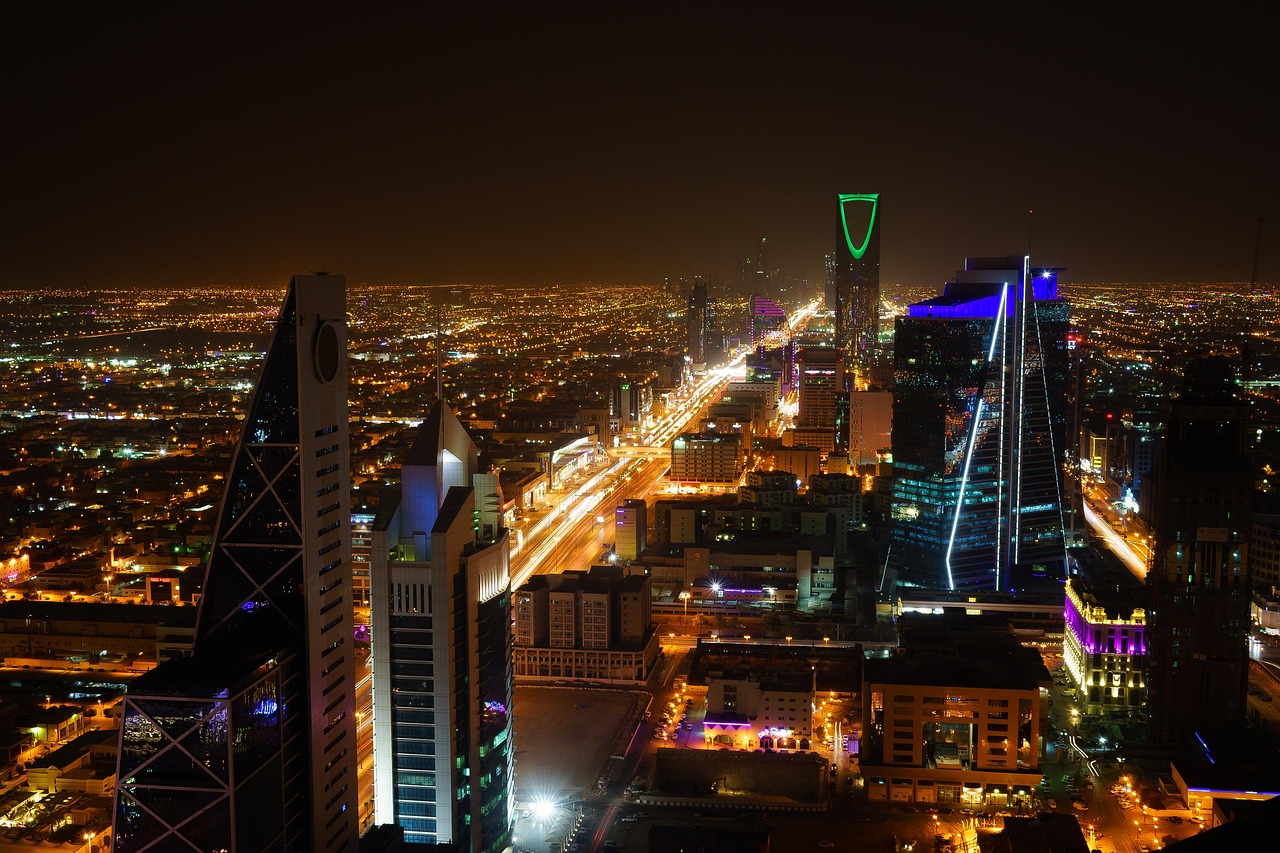

Saudi Arabia’s real estate scene in 2026 is shaped by megaprojects, tourism growth, and regulatory reforms that make it one of the most watched markets in the Middle East. The best real estate investment opportunities in Saudi Arabia 2026 focus on urban residential in Riyadh and Jeddah, hospitality and mixed-use assets in Red Sea and NEOM developments, and logistics and industrial land tied to new port and transport projects.
Practical investors are visiting Saudi cities, comparing off-plan developments with ready stock, and looking at short-stay hospitality as tourism demand grows. This guide distills where to look, how to evaluate assets, travel tips for property inspections, common mistakes to avoid, and who benefits most from investing here.
Quick Answer
The best real estate investment opportunities in Saudi Arabia 2026 are: prime residential units in Riyadh and Jeddah; hospitality and mixed-use plots near NEOM, the Red Sea, and Diriyah; logistics and industrial land along eastern and western corridors; and listed REITs for lower-touch exposure. Verify developer track record, local regulations, and market fundamentals before committing.
Key Takeaways
- Focus on Riyadh and Jeddah for urban demand; NEOM, Red Sea, Diriyah, and KAEC for tourism and large-scale development plays.
- Choose asset classes that match your timeline: short-term rental and hospitality for near-term returns, residential and logistics for longer-term capital growth.
- Visit properties in person—book time with developers, local brokers, and a legal advisor familiar with Saudi procedures.
- Watch infrastructure, airport access, and regulatory shifts tied to Vision 2030; check official government sources for the latest rules.
Why Saudi Arabia Matters in 2026
Saudi Vision 2030 continues to drive public and private investment into tourism, entertainment, and logistics. New airports, resorts, and special economic zones have raised demand for hotels, short-stay rentals, and logistics facilities.
Property market reforms and expanded foreign investment frameworks have made it easier for international buyers to explore opportunities, but local market knowledge and on-the-ground due diligence remain essential.
Top Real Estate Markets to Watch in Saudi Arabia 2026
Riyadh — Best for residential and office assets
Riyadh, the capital and financial hub, remains the strongest market for residential sales, high-end apartments, and Grade A office space. Look for inner-ring neighborhoods near diplomatic quarters and new metro lines for steady rental demand. Major airports: King Khalid International Airport (RUH) provides international connectivity for investor visits.
Jeddah — Best for mixed-use and coastal living
Jeddah offers coastal residential projects, waterfront developments, and growing commercial demand tied to Red Sea tourism gateways. The city is attractive for rental flats and mixed-use towers close to Corniche and central business districts. Major airport: King Abdulaziz International Airport (JED).
NEOM and the Red Sea — Best for hospitality and off-plan plays
NEOM and the Red Sea developments target luxury tourism and ecological resorts. These projects are long-term and often require patience; they offer opportunities in resort hotels, branded residences, and supporting services. Consider developer reputation and staged delivery timelines before committing.
Diriyah and Riyadh Gate — Best for cultural and boutique hospitality
Diriyah’s cultural and heritage positioning drives interest in boutique hotels, restaurants, and short-term rentals. Close proximity to Riyadh makes Diriyah appealing for investors seeking tourism-linked returns without being purely speculative.
King Abdullah Economic City (KAEC) and Eastern Province — Best for logistics and industrial
Ports and free zones have increased demand for logistics warehouses, industrial land, and worker housing. These assets are often tied to trade flows, making them a good fit for investors focused on yield and long-term contracts.
Quick Comparison: Cities and Best Asset Classes
| City / Region | Best Asset Class | Why |
|---|---|---|
| Riyadh | Residential, Offices | Strong domestic demand, government and corporate employers |
| Jeddah | Mixed-use, Waterfront Residential | Coastal lifestyle and commercial hub for western Saudi |
| NEOM & Red Sea | Hospitality, Branded Residences | Major tourism projects, long development timelines |
| Diriyah | Boutique Hotels, Short-term Rentals | Cultural tourism and proximity to Riyadh |
| KAEC & Eastern Province | Logistics, Industrial | Port access, trade and manufacturing corridors |
Types of Real Estate Investments to Consider
Residential (ready and off-plan)
Ready apartments provide immediate rental income, while off-plan units may offer lower entry prices but require confidence in the developer and delivery schedule. Short-stay furnished apartments are particularly attractive near airports and business districts.
Hospitality and branded residences
Hotels and branded residences near tourism projects can deliver strong returns but depend on visitor numbers and brand execution. Look for management contracts and pre-opening marketing plans.
Logistics and industrial property
Warehouse and distribution centers have gained interest thanks to port expansion and e-commerce growth. Long-term lease contracts with reliable tenants reduce vacancy and operational risks.
REITs and listed vehicles
Real Estate Investment Trusts and publicly listed property companies offer liquid exposure to the Saudi market without direct property management. They are useful for investors seeking diversification and lower transaction costs.
How to Evaluate a Saudi Property — Practical Checklist
- Verify developer track record and completed projects.
- Confirm legal ownership structure and title with a qualified local lawyer.
- Assess access to airports (RUH, JED, regional airports for Red Sea/NEOM), roads, and public transport.
- Estimate realistic rental demand by checking comparable listings and occupancy rates.
- Factor in service charges, maintenance, and management fees for hospitality or gated communities.
- Understand local zoning and masterplan changes by consulting municipal offices or official portals.
Best Tips for Planning Your Trip to Inspect Properties
Plan at least three to five full days in-country for each city you are seriously considering. Use that time to meet developers, visit multiple neighborhoods, and view different property types at varying price points.
- Fly into major hubs: Riyadh (RUH) or Jeddah (JED). For NEOM and Red Sea sites, check regional airport access and developer-arranged transfers.
- Book hotels near business districts or project sites—options range from international chains to locally managed serviced apartments.
- Arrange local appointments ahead of time with a recommended real estate broker and a bilingual legal advisor.
- Carry digital and printed copies of identification, and confirm meeting times around local working hours and prayer times.
- Compare neighborhoods by visiting at different times of day to assess traffic, noise, and rental demand firsthand.
Common Mistakes to Avoid
- Relying solely on promotional materials—always inspect the site and finished examples in person.
- Skipping legal due diligence—title checks and contracts matter more than glossy brochures.
- Underestimating carrying costs such as community fees, utility setup, and management for short-stay properties.
- Chasing only “megaproject hype” without assessing practical access, delivery schedules, or realistic visitor projections.
Is it Worth It? Who Is This Best For?
Yes, investing in Saudi Arabia can be worthwhile for patient investors and those willing to do local due diligence. The market suits a range of buyers: international investors seeking portfolio diversification, regional family offices, and developers partnering on off-plan launches.
This market is best for people comfortable with emerging-market timelines, those who can travel to inspect assets, and investors who pair local advisory support with clear exit or holding strategies. If you need immediate liquidity or insist on fully predictable timelines, consider listed REITs instead of direct off-plan projects.
Conclusion
The best real estate investment opportunities in Saudi Arabia 2026 combine location, asset class fit, developer credibility, and careful legal checks. Target Riyadh and Jeddah for urban demand, NEOM and Red Sea for tourism and hospitality plays, and KAEC or eastern corridors for logistics. Travel to inspect, verify information with local professionals and official sources, and match investments to your time horizon and risk tolerance.
Frequently Asked Questions
Can foreigners buy property in Saudi Arabia?
Yes, foreigners can buy property in many parts of Saudi Arabia, but rules vary by location and project type. Always verify current ownership regulations with an official government source or local legal advisor before making an offer.
Which city offers the best short-term rental returns?
Riyadh and Jeddah typically show strong short-term demand due to business travel and events, while new tourism sites like the Red Sea may offer seasonal opportunities. Local occupancy levels and proximity to airports are key factors to compare.
Are off-plan projects risky in Saudi Arabia?
Off-plan projects carry delivery and execution risk, especially with large megaprojects that have long timelines. Reduce risk by selecting reputable developers, reviewing payment schedules, and confirming project milestones and guarantees.
How do I finance a property purchase as a foreign investor?
Financing options vary by lender and borrower profile; some international and local banks offer mortgages to eligible buyers. Discuss terms with several banks and consult a mortgage broker or legal adviser to understand requirements and documentation.
Do I need a lawyer to buy property in Saudi Arabia?
Yes. A local lawyer helps verify title, review contracts, and navigate regulations; this is essential for protecting your investment. Choose a lawyer experienced in Saudi real estate and familiar with the specific city or development.
What documents should I bring when inspecting properties?
Carry a valid passport, investor or company documents if applicable, and any proof of funds you may need for immediate reservations. Bring digital copies of communications with developers and an agenda for onsite meetings.
How does tourism growth affect property values?
Tourism growth raises demand for hotels, serviced apartments, and short-stay rentals near attractions and airports. Long-term value depends on consistent visitor numbers, infrastructure delivery, and the quality of operations and marketing.
Where can I check official rules and developer permits?
Check official Saudi government portals, municipal websites, and the Ministry of Investment for current regulations and permit processes. For project-specific information, request developer documentation and confirm details with municipal planning offices.