






Private Sector Dominates Workforce in Bahrain, Achieving 89.7% Employment Rate
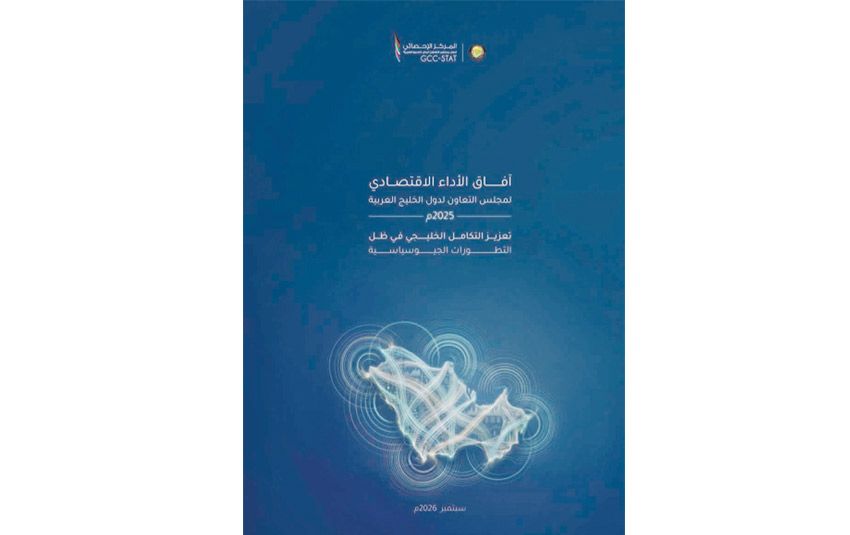
The private sector in Bahrain has reportedly accounted for 89.7% of the total workforce as of 2025. This significant statistic comes amid an expansion in the labor market across the Gulf Cooperation Council (GCC) countries, which saw a total of 37.9 million workers, reflecting a 6.3% annual growth. The increasing focus on local employment and the empowerment of women in the workforce are key drivers behind this trend.
Labor Market Growth Across the GCC
In 2025, the GCC labor market has demonstrated noticeable growth, driven by ongoing economic diversification initiatives and substantial developmental projects. The Saudi labor market leads with 50.2% of total GCC employment, standing at roughly 19 million workers. Following Saudi Arabia, the United Arab Emirates holds 26.3%, while other member states such as Kuwait, Oman, and Qatar comprise smaller but crucial portions of the labor pool.
This surge in employment has been supported by both government strategies and private sector initiatives, aiming to create job opportunities that align with the nations’ economic goals. Reports indicate that the government is actively working to enhance job localization, particularly focusing on improving the qualification and productivity of local workers.
Localization Efforts and Female Participation
Bahrain has emerged as a leader in labor localization, ranking second after Oman in terms of national workforce contribution. The number of Bahraini citizens employed reached approximately 300,000, accounting for 28.3% of the total workforce. Meanwhile, the total number of citizens employed across GCC states, excluding the UAE, rose to about 5.9 million, indicating a steady annual growth rate.
Women’s participation in the workforce has also made strides, with the number of female workers increasing to 7.7 million in 2025—a 7.1% rise from the previous year. Female workers now represent around 20% of the total workforce, highlighting a noteworthy shift towards greater gender equality in the region. This growth correlates with enhanced economic empowerment programs designed to integrate women into various sectors more effectively.
Private Sector’s Critical Role
Throughout the GCC, the private sector’s role has become increasingly vital, employing 34 million people, or 89.7% of the total workforce in 2025. This sector has reported an annual growth of 6.8% from the previous year, solidifying its position as a primary driver of job creation across the region.
Saudi Arabia and the UAE exhibit the highest dependence on the private sector for employment, with respective participation rates of 90.4% and 92.9%. This reliance underscores the significance of private enterprises in fostering economic growth and addressing labor market challenges, such as youth unemployment and skills mismatch.
Future Directions and Economic Perspectives
The ongoing trends indicate a positive trajectory for labor market developments in GCC countries. As nations work towards balancing expatriate labor and local job placement, policies focusing on skills development and educational alignment will be crucial. The report highlights a shift towards qualitative localization rather than mere numerical targets, emphasizing the importance of matching educational outcomes with industry needs.
Going forward, Bahrain’s National Labor Market Program for 2023-2026 aims to enhance alignment between education outputs and labor market requirements. This program is expected to address the gap in hiring costs for Bahrainis and bolster vocational training efforts to better prepare citizens for emerging job opportunities.
With these proactive measures, stakeholders anticipate continued enhancements in the employment landscape, encouraging higher participation rates and greater economic stability across the region’s labor markets.