







Qatar Advocates Humanitarian Diplomacy to Safeguard Water Resources
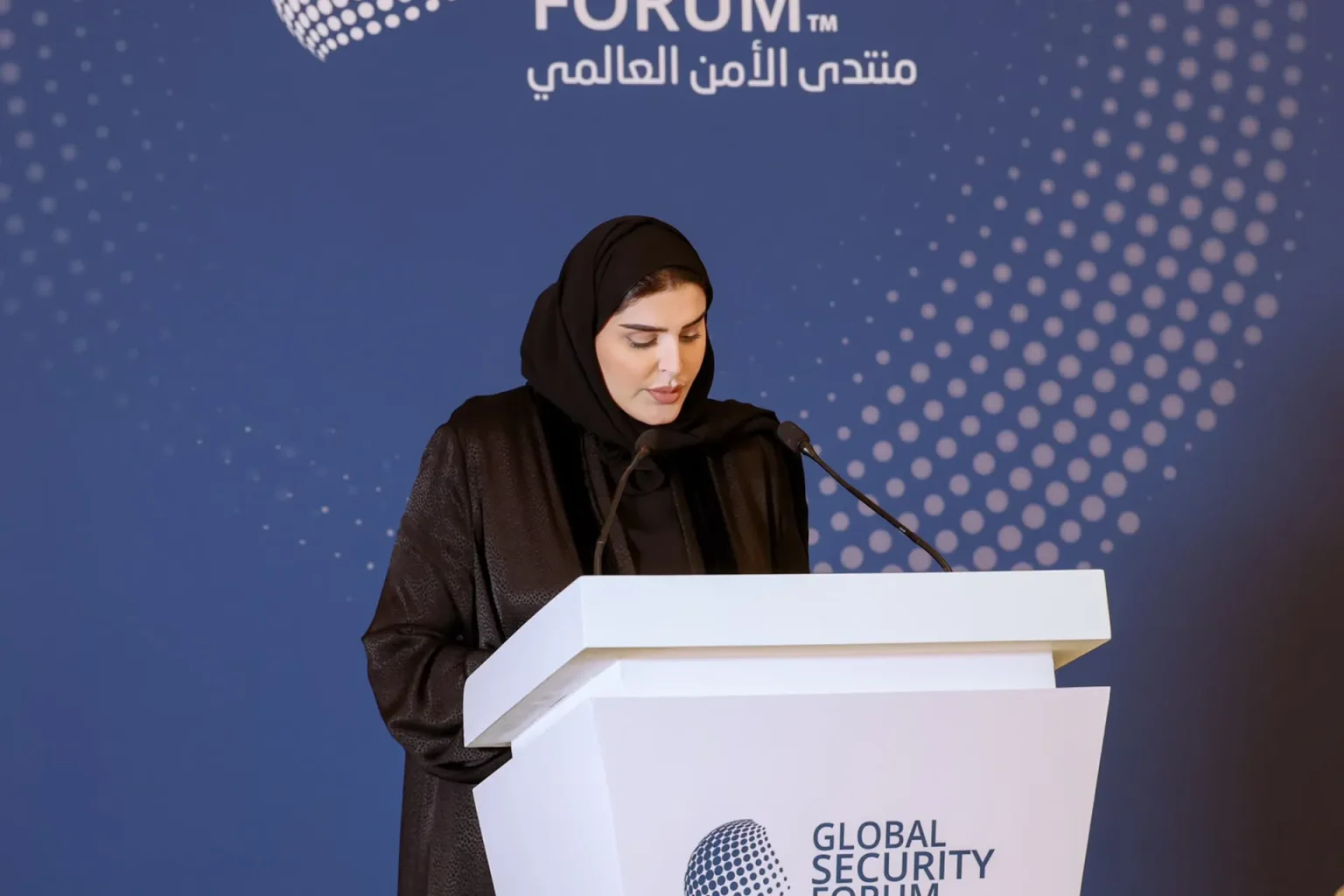
During the ongoing Global Security Forum 2026 in Doha, State Minister for International Cooperation, Maryam bint Ali Al-Misnad, emphasized the need for humanitarian diplomacy to protect water resources and related infrastructure during armed conflicts. This critical call came as the forum convenes from October 19 to 21, 2026, addressing pressing security issues in the Middle East and their broader implications for global stability.
The Minister highlighted that the increasing security tensions in the region underline the urgency of protecting vital water resources. She stated that the discussions on this vital connection between humanitarian diplomacy and water security are timely, given the challenges posed not only to regional peace but also to the global economy.
The Legal and Humanitarian Responsibility
In her opening remarks, Al-Misnad expressed appreciation for the Geneva Water Centre and the Swiss Embassy in Qatar for facilitating the dialogue. She noted that Qatar’s engagement reflects its commitment to preventive diplomacy, mediation, and enhancing resilience to various regional and global challenges.
The Minister pointed out that this year’s regional developments showcase the increasing challenges to water security, marked by reports of attacks on vital water infrastructure. She warned that damage to desalination plants and distribution networks could jeopardize access to safe drinking water and sanitation services, potentially resulting in long-term impacts on public health and human dignity.
She stressed the necessity to uphold the protection of essential civilian infrastructure under international humanitarian law. Enhancing international cooperation to prevent disruptions in water services is critical, as humanitarian diplomacy offers opportunities for dialogue, facilitating humanitarian access, and coordinating efforts to safeguard water security, particularly in times of conflict and crisis.
Diplomatic Mediation and Humanitarian Assistance
During the session, Al-Misnad reviewed Qatar’s contributions to protecting essential resources amid armed conflicts through humanitarian assistance, mediation, and funding reconstruction efforts. Her remarks highlighted Qatar’s ongoing efforts in Gaza, Sudan, Afghanistan, Lebanon, Somalia, and Syria.
She noted ongoing collaborations with Egypt and the United States to facilitate significant humanitarian and relief assistance to Palestinians in Gaza. These efforts aim to ensure the implementation of the second phase of the ceasefire agreement and the reopening of the Rafah border crossing to allow humanitarian aid delivery.
Protecting water infrastructure does not merely rely on international humanitarian law but also intersects with human rights and environmental laws. The Minister asserted the greatest challenge lies not in the absence of laws but in their non-compliance or selective application.
She urged for intensified diplomatic efforts to influence conflict parties to protect essential resources, alongside sharing expertise and knowledge to enhance resilience, thereby supporting global stability and preserving the human right to clean water.
A Shared Resource for Peace
The session fostered discussions among experts and researchers about the interrelation between water security and diplomacy, addressing the challenges linked to the management of shared resources. The dialogue also focused on the role of international cooperation in preventing disputes over water from escalating into further tensions and conflicts.
Participants emphasized the need for viewing water not just as a basic service or economic resource but as an issue intertwined with community survival and stability. They noted that water can serve as an entry point for building trust and promoting peace, even in times of political and security tensions.
Furthermore, experts highlighted the importance of shared water committees in maintaining communication channels between countries, even when political relations deteriorate, underscoring the importance of keeping technical and institutional cooperation on water resources distinct from political conflicts.
Challenges in Governance and the Risk of Conflict
Experts addressed challenges in managing transboundary water basins and shared aquifers, calling for unified rules and data exchange amid limited freshwater supplies and fragmented international legal frameworks, complicating water and environmental policy coordination.
Participants warned against weaponizing water and related infrastructure to exert pressure and escalate tensions among nations. They highlighted the importance of both traditional and informal diplomacy to contain disputes and prevent them from evolving into conflicts.
The discussions also touched on the evolution of global water governance since the Dublin Principles of 1992, exploring the roles of international agreements and the United Nations versus the necessity for local reforms that consider the diverse needs and conditions of different nations. Participants concluded on the need for integration between international cooperation and local management to protect water resources, reduce conflicts, and ensure the continuity of essential services.
As global discussions continue, the call for collaborative efforts in safeguarding water resources during conflicts remains pivotal. Moving forward, stakeholders are advised to maintain momentum in diplomatic negotiations and humanitarian assistance initiatives, ensuring the human right to water is upheld, even amidst challenging geopolitical landscapes.