





Qatar and France Denounce Iranian Military Attacks
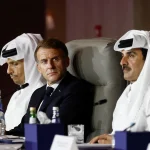
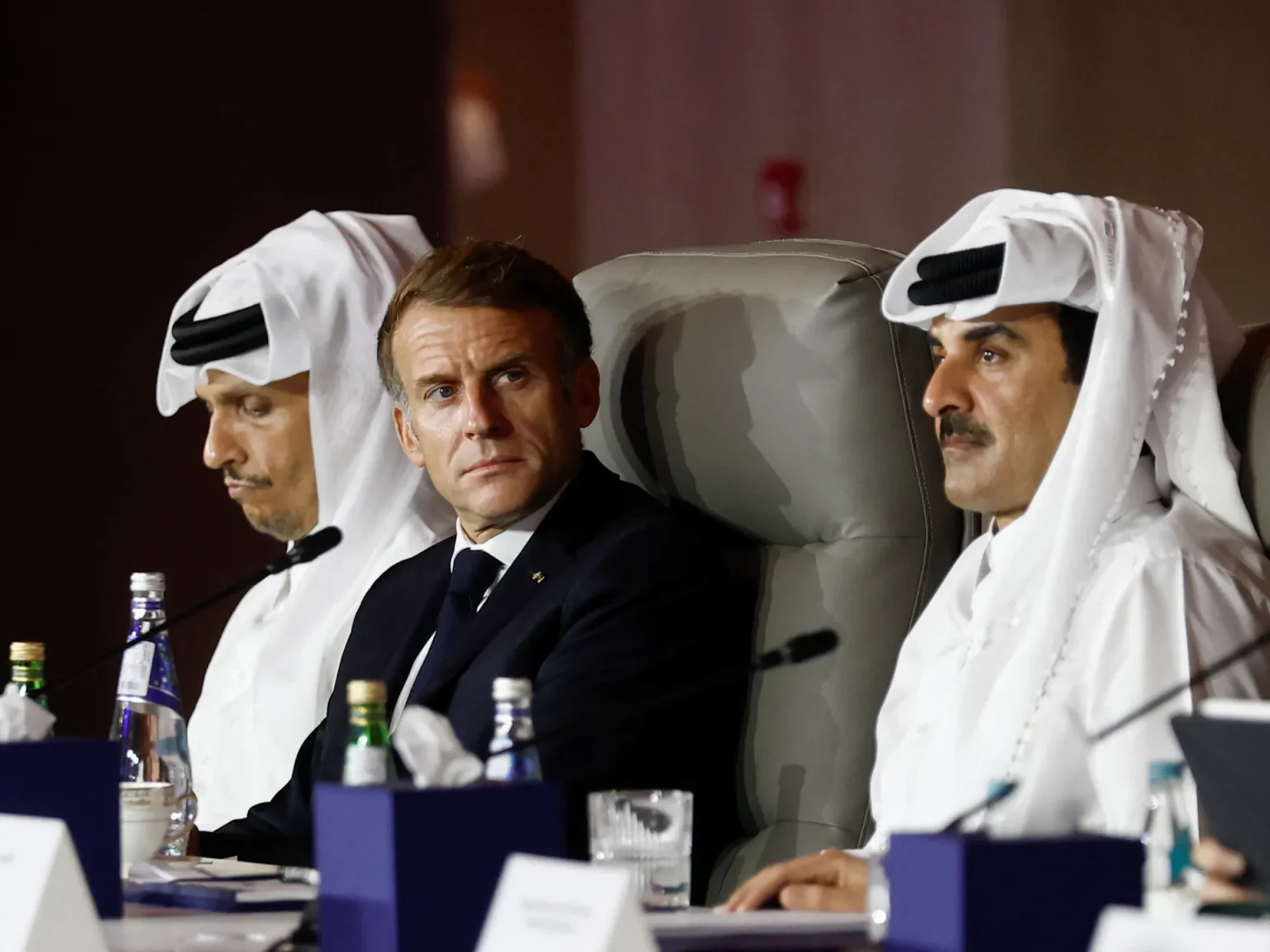
On October 21, 2026, Qatar and France condemned Iranian military attacks on regional countries, labeling them as serious violations of international law. This unified stance was articulated through a joint statement issued during French President Emmanuel Macron’s visit to Doha.
The two nations expressed long-standing support for diplomatic efforts aimed at addressing the threats posed by Iran, emphasizing the need for verification regarding the exclusively peaceful nature of Iran’s nuclear program.
Calls for Unrestricted Navigation and Regional Stability
The statement highlighted the necessity of restoring freedom of navigation in the Strait of Hormuz without constraints or fees. Both countries reiterated their commitment to collaborate with international partners to enhance regional and global security and stability.
During this meeting, Qatar and France agreed to coordinate their diplomatic efforts to contain tensions and de-escalate conflict in light of ongoing regional challenges. Qatar reaffirmed its role as a reliable partner in supporting global energy security and ensuring stability in energy supplies.
Support for Palestinian Statehood and Regional Diplomacy
In their joint statement, Emir of Qatar Sheikh Tamim bin Hamad Al Thani and President Macron praised the exceptional cooperation between their countries on regional and global issues. They reiterated their commitment to achieving lasting peace and stability in the Middle East, supporting the two-state solution that envisions an independent Palestinian state coexisting peacefully alongside Israel.
Furthermore, Qatar and France opposed any annexation of the West Bank, denouncing Israeli settlement policies and violence from settlers. They expressed support for United Nations Security Council Resolution 2803 and the comprehensive plan proposed by former U.S. President Donald Trump to resolve the Gaza conflict.
Commitment to Humanitarian Support and Security in Lebanon
The two nations stressed the importance of all parties fulfilling their obligations under related agreements, including implementing a ceasefire, withdrawing Israeli troops according to agreed arrangements, and ensuring the safe, unhindered delivery of humanitarian aid to the residents of Gaza. They also voiced support for conducting Palestinian elections.
Regarding Lebanon, the statement emphasized that the end of the United Nations Interim Force in Lebanon (UNIFIL) mandate should not create a security vacuum that could destabilize the country and the region. They underscored the critical need to maintain international presence and continue supporting Lebanese authorities and armed forces.
Enhancing Military Cooperation
Additionally, Qatar and France reaffirmed their commitment to enhancing defense cooperation by expanding military collaboration between their armed forces. This collaboration represents a new chapter in the military partnership, with both nations signing a Letter of Intent to modernize Qatar’s land forces through collaboration with companies like KNDS France and John Cockerill Defense.
They also finalized a Letter of Intent regarding security and defense cooperation between the two countries, outlining their efforts to deepen coordination, address regional challenges, and support the stability and security of maritime navigation while intensifying joint training initiatives.
Future Initiatives and Ongoing International Collaboration
The statement concluded with both nations ready to continue their operational cooperation in security and defense, welcoming progress made over the past year, particularly through contracts related to radar systems and satellite communications.
As President Macron’s visit to Qatar ended on October 22, 2026, the international community is advised to monitor the evolving diplomatic landscape in the Middle East, particularly concerning Iranian activities and peace efforts related to the Israeli-Palestinian conflict. The commitment of Qatar and France to regional stability indicates a proactive approach to addressing pressing geopolitical issues.