








Maritime Authorities Alert After Attack on Oil Tanker Off Qatar
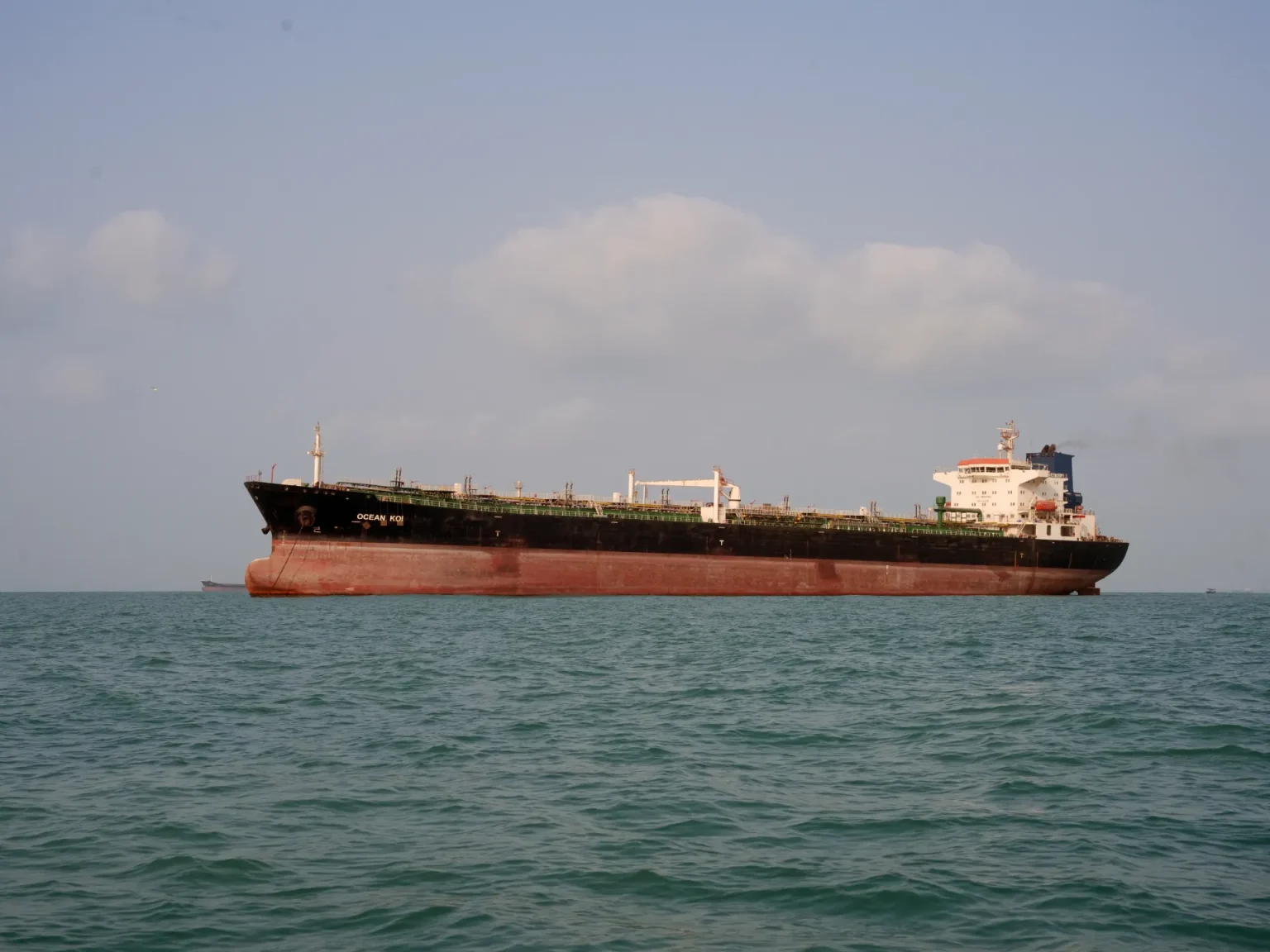
The British Maritime Trade Operations (BMTO) reported on Wednesday, August 9, 2026, that an oil tanker was attacked by multiple projectiles off the coast of Qatar, resulting in injuries. The incident occurred approximately 51 nautical miles north of the Qatari city of Al Khor, at around 7:00 PM GMT, when the vessel reported being struck during its passage.
BMTO issued a navigational warning informing vessels in the area to proceed with caution and to report any suspicious activities. The authorities are currently investigating the incident, but details regarding the tanker’s identity or the flag it flies have yet to be disclosed.
Details of the Maritime Incident
The maritime authorities have confirmed that the attack involved multiple projectiles, although the specific nature of the injuries sustained by the crew has not been clarified yet. No group has claimed responsibility for the attack, which adds to the tension in the region. Given the geopolitical climate, such incidents raise alarms over maritime safety and security in a crucial shipping lane.
This recent attack follows a previous incident reported by BMTO just a few days earlier, where another oil tanker was struck by a projectile of unknown origin while navigating towards the Strait of Hormuz. These instances underline the escalating dangers faced by maritime vessels operating near sensitive areas affected by political tensions.
Tensions in the Gulf Region
The attacks on commercial shipping vessels come amidst heightened tensions between the United States and Iran, particularly concerning navigation through the Strait of Hormuz. This strait is a critical artery for global oil transport, making it a focal point in U.S.-Iran relations. The ongoing disputes over maritime security have significant implications for the energy market and international trade.
Officials have suggested that the frequency of such attacks may reflect Iran’s response to U.S. sanctions and military presence in the region. Consequently, the security of maritime navigation has become increasingly precarious, prompting heightened vigilance among shipping companies and maritime authorities alike.
Implications for Maritime Security and Global Trade
This incident has reignited discussions about the need for enhanced maritime security measures in high-risk areas. Experts in maritime affairs are calling for greater international cooperation to ensure safe passage for vessels, especially those transporting vital energy supplies.
In light of these breaches of security, companies may need to reevaluate their logistical operations to mitigate risks. This could entail rerouting shipping lanes, increasing security protocols onboard, or even reconsidering their insurance policies against potential maritime attacks.
Conclusion: What’s Next for Maritime Operations
As investigations continue into the recent attacks on oil tankers, maritime stakeholders will be closely monitoring the situation. The call for increased security measures may lead to new regulations or protocols aimed at protecting vessels traveling through volatile regions. In the near future, shipping companies and maritime authorities should remain vigilant for further developments and actively participate in discussions surrounding maritime security. These actions will be crucial in safeguarding global trade and ensuring the safe passage of goods in increasingly complex geopolitical landscapes.