









Innovative Water Conservation Solution for Data Centers
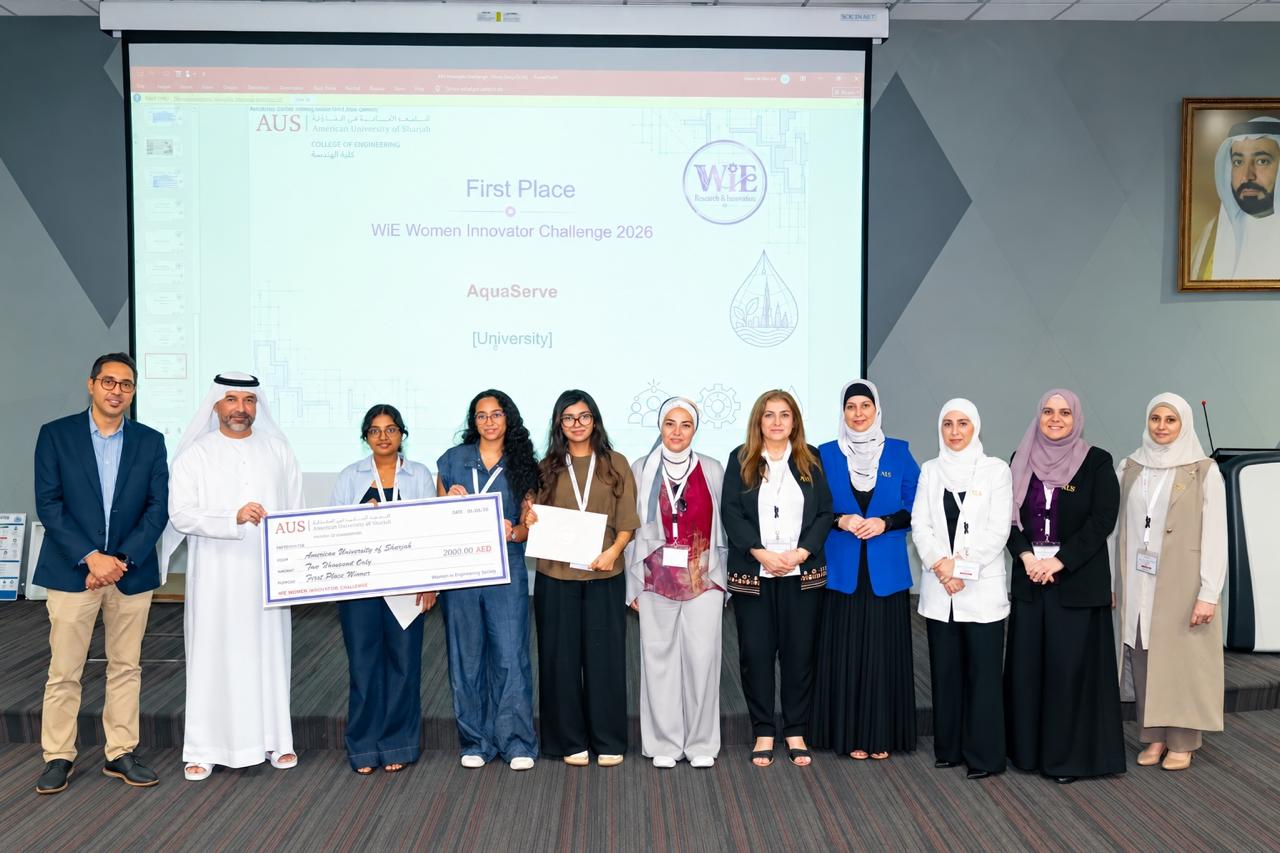
Three students from the American University of Sharjah have engineered a solution aimed at reducing water consumption in data centers. Their project, named “AquaServe,” focuses on recovering water used in cooling servers and redirecting it back into the operational cycle. This innovation is timely, given the global expansion of data centers coinciding with the rapid growth in artificial intelligence and digital services.
Technological Breakthrough in Water Recovery
AquaServe seeks to minimize water loss during the cooling processes of data centers. The approach involves circulating warm water exiting server cooling systems through columns that utilize micro air bubbles. This technique enhances heat transfer and facilitates the evaporation of part of the water. The resulting vapor is then cooled and condensed to recover the water, which is reintegrated into the system for reuse.
This innovative process aims to create a more efficient water cycle within cooling systems, significantly reducing water waste and lowering the water footprint of data centers. With an increasing demand for computing power, especially due to the proliferation of AI applications, the need for effective cooling solutions is critical to sustaining water resources.
Turning Knowledge into Action
Sham Al-Tabbakh, a mechanical engineering student and a member of the winning team, emphasized the project’s ability to apply engineering knowledge to a real-world challenge concerning water and sustainability. The experience highlighted the potential of student innovation to evolve from academic theories into practical solutions addressing significant global issues.
The team’s work on AquaServe underscored essential themes such as interdisciplinary collaboration and applied engineering in tackling complex problems, particularly those that intersect technology and resource sustainability.
Practical Innovation with Real-World Impact
Dr. Noha Hussein, an industrial engineering professor and research and innovation head of the Women in Engineering Association at the university, remarked on the participating projects’ capacity to breakdown sustainability challenges into actionable engineering solutions. She stated that the value of innovation transcends the novelty of the idea; it extends to its applicability and potential for a tangible impact.
Dr. Fian Ahmed, another industrial engineering professor and president of the Women in Engineering Association, noted that the significance of the winning project lies in addressing a pressing water management issue in the UAE while concurrently providing a solution to a global challenge faced by data centers.
Engineering Competition and Student Engagement
The “Innovator’s Challenge,” organized by the Women in Engineering Association within the engineering college at the university, attracted 26 entries. Out of these, 13 teams progressed to the finals, encompassing 46 female students from seven educational institutions.
The projects were evaluated based on criteria like understanding the problem, originality of the solution, feasibility, and potential impact. The AquaSecure team from Al Ain University finished second, and the HydroGuard team from Heriot-Watt University Dubai took third place.
Future Outlook for Water Management Innovations
The emergence of AquaServe reflects a growing trend towards innovative water management solutions, vital for addressing environmental sustainability. The project’s journey from concept to reality not only exemplifies student ingenuity but also sets a precedent for future engineering endeavors aimed at solving real-world problems.
As the demand for data centers continues to rise, solutions like AquaServe will be instrumental in fostering sustainable practices. Observers can look forward to potential pilot implementations and further developments in this field, highlighting the importance of integrating sustainable resource management into future technological advancements.