








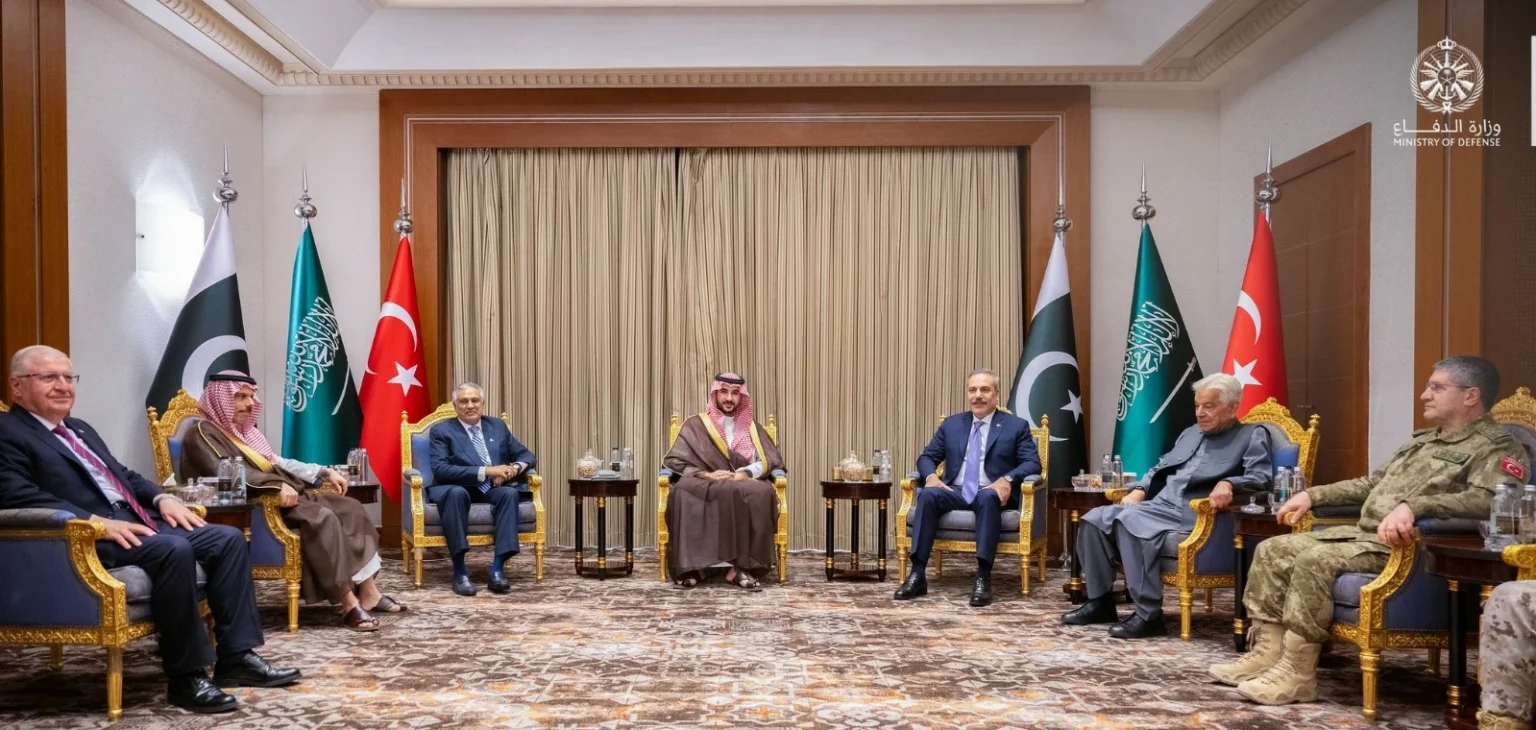

Collective Deterrence Initiated by the Mecca Alliance
The Mecca Alliance has officially announced the activation of collective deterrence measures in response to recent regional tensions. This decision, revealed just hours ago, indicates a significant shift in the alliance’s strategic posture amidst ongoing challenges faced by its member nations.
Formed by multiple countries in the Middle East, the Mecca Alliance aims to promote stability and security across the region. The activation of collective deterrence emphasizes the commitment of its members to collaborate in defense against external threats.
Context and Background of the Mecca Alliance
The Mecca Alliance was founded to address various geopolitical issues affecting member nations, which include both economic and military concerns. Officials have long advocated for enhanced cooperation among these states to deter aggression and foster peace.
In light of escalating tensions, particularly in the Gulf region, the alliance’s recent decision underscores the urgency of a united front. According to statements from alliance leaders, collective deterrence will serve as a critical framework for responding to potential threats.
Implications of the Collective Deterrence Strategy
The introduction of collective deterrence by the Mecca Alliance signals a more proactive approach to regional security. This strategy allows member states to coordinate their defense capabilities and share intelligence more effectively. Furthermore, it aims to prevent conflicts by demonstrating readiness and unity.
Military experts note that the implementation of this strategy could lead to both deterrence and enhanced regional cooperation. By pooling resources and capabilities, member nations might bolster their defense infrastructures, thus making it more difficult for adversaries to initiate hostilities.
Future Prospects and Next Steps
Looking ahead, the Mecca Alliance is expected to hold further discussions on operationalizing the collective deterrence measures. As member states conduct joint exercises and develop integrated defense protocols, observers will closely monitor the outcomes.
The international community will likely be watching these developments with interest. Should the alliance effectively implement its deterrence strategy, it may not only stabilize the region but also alter the dynamics of power among neighboring states.