







Truck Movement Restrictions in Dubai: Effective October 2026
The Roads and Transport Authority (RTA) of Dubai and the General Directorate of Dubai Police announced the implementation of truck movement restrictions across the emirate. This decision, set to take effect on October 1, 2026, comes in line with existing traffic regulations during peak hours, with the exception of Emirates Road, which will not be affected by the ban.
These restrictions are part of an ongoing effort to enhance traffic flow across Dubai’s road network. Officials emphasize that this initiative is designed to improve road safety while balancing the demands of commercial transport and logistics. The ban aims to ensure a sustainable flow of goods throughout the emirate.
Objectives of the Truck Movement Ban
The RTA states that the new restrictions are integral to its wider strategy for traffic management and congestion reduction on major roadways. By increasing the road capacity for vehicles on specified streets, the authority aims to shorten travel times and improve the overall efficiency of Dubai’s transportation network.
The authority has committed to working closely with Dubai Police and relevant entities to execute a comprehensive awareness campaign. This campaign will inform truck drivers, logistics companies, and freight operators about the scope of the restrictions, the specific times they will be enforced, and the alternative routes available to minimize disruption.
Details of the Restrictions and Penalties
Truck movement restrictions will be in place on several major highways and roads within Dubai. Certain major roads, including Al Qudra Road, Al Meydan Road, all marine bridges, and the Airport Tunnel, will impose a complete ban on truck movement around the clock. Meanwhile, other critical routes, such as Sheikh Zayed Road and Beirut Street, along with residential areas like Al Muhaisnah and Al Muweilah, will enforce a ban lasting 16 hours a day from 6:00 AM to 10:00 PM.
Urban areas, including Airport Road, Oman Street, and Damascus Street, will prohibit truck access during three peak periods: 6:30 AM to 8:30 AM, 1:00 PM to 3:00 PM, and 5:30 PM to 8:00 PM. The RTA stresses the importance of compliance with these regulations to prevent traffic violations and ensure road safety.
Enhanced Facilities for Truck Drivers
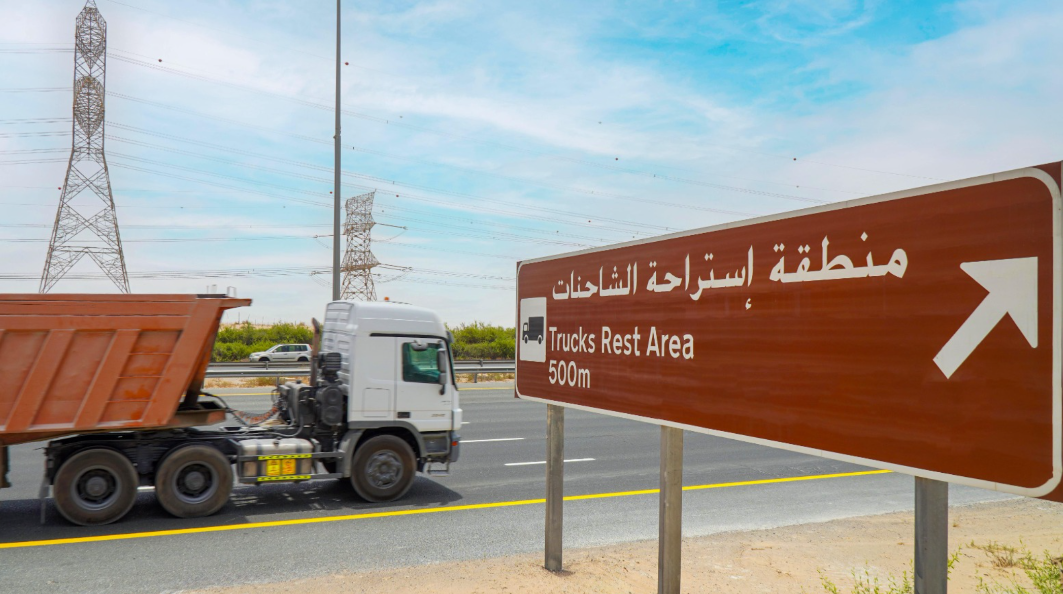
As part of the initiative, the development of truck rest areas has been highlighted as a critical component for managing truck movement during the ban periods. The RTA has recently completed 14 out of 16 planned rest areas, strategically located across significant logistical zones and crucial roads in the emirate. These resting facilities have been constructed in partnership with the private sector to enhance logistics infrastructure.
Additionally, the RTA has increased the capacity of seven existing rest areas by adding 364 new parking spots, leading to a total of 1,007 designated truck parking spaces. The authority also plans to establish four additional permanent rest areas in collaboration with the private sector. These facilities will provide secure and organized spots for truck drivers during the restricted hours, reducing random parking along major roads and residential areas, thus improving traffic flow and safety.
Encouraging Compliance Among Truck Operators
The RTA is urging truck drivers and logistics firms to utilize these designated resting areas during enforcement times and to plan their routes in compliance with the traffic regulations. Companies whose operations necessitate movement during the restricted hours can apply for the Roadway Services Permit through the RTA’s website to avoid facing penalties.
This proactive approach aims to ensure that all stakeholders in the logistics and transport sectors understand the implications of the new restrictions and the importance of adhering to them.
Looking Ahead: What’s Next for Dubai’s Transportation System?
The planned truck movement ban is expected to significantly streamline traffic flow in Dubai, enhancing the safety and efficiency of its roadways. As the October 2026 implementation date approaches, continuous engagement with the logistics industry and public awareness campaigns will be crucial to ensuring a smooth transition to the new regulations.