









Focusing on Quality Education and Aligning Academic Programs with Labor Market Needs
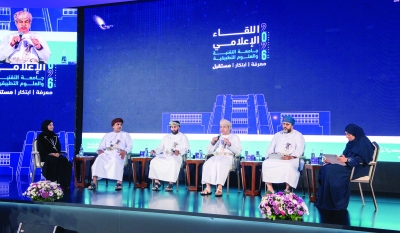
The Sultanate of Oman is making significant strides in enhancing its educational landscape, particularly through the initiatives taken by the University of Technology and Applied Sciences. During a recent media event at the JW Marriott Hotel Muscat—a gathering intended to highlight the university’s performance indicators—the focus was firmly on the university’s accomplishments in academic and research domains while emphasizing its future aspirations that align with Oman’s Vision 2040. This focus underscores the university’s commitment to equipping national competencies capable of thriving in a competitive job market.
According to Dr. Said bin Hamad Al-Rubaie, the university’s president, the institution has been proactive since its inception in developing skilled national personnel who are proficient in technical, professional, and digital skills. As the academic year 2026/2027 begins, the university anticipates welcoming over 10,563 students, with projections suggesting this figure could rise to 12,000 in the near future. This growth reflects the university’s commitment to providing comprehensive academic and applied tracks that cater to students’ aspirations and labor market needs.
Adapting Academic Programs to Market Dynamics
In the evolving global job landscape, the University of Technology and Applied Sciences recognizes the necessity of adapting its academic programs to meet contemporary demands. The university aims to ensure that students acquire practical skills essential for their professional lives. Initiatives include the development of a professional record for students, documenting practical experiences throughout their academic journey. This initiative underscores the university’s approach to bridging educational outcomes with market requirements.
In 2025, the university published 1,226 scientific articles and executed 185 internally funded research projects, reflecting its dedication to applied research. The university also aims to nurture innovation and entrepreneurship, essential components for a sustainable economy. By focusing on practical applications of knowledge, the university is committed to transforming academic research into actionable projects that have a real-world impact.
Prioritizing Advanced Technologies and Innovation
The focus on quality education encompasses a special emphasis on artificial intelligence and advanced technologies. These fields are poised to significantly influence the future of education and economy. Through various research and training initiatives, including the establishment of chairs for the ethics of artificial intelligence, the university aims to enhance responsible governance of modern technologies.
Moreover, the university is actively engaging in national efforts towards digital transformation while equipping its members with skills pertinent to AI and related fields. This includes participation in initiatives that have fostered substantial research output in artificial intelligence. The increased focus on innovative technologies not only enhances educational experiences but also prepares graduates to meet the demands of 21st-century workplace challenges.
Encouraging Entrepreneurship and Skill Development
Entrepreneurship is increasingly recognized as a vital pathway to building a knowledge-based economy. The university has seen a noteworthy surge in student-led startups, with the number of companies increasing from 68 in 2024 to 364 in 2025. Concurrently, the university supports entrepreneurial endeavors through incubators and a variety of competitions aimed at connecting student ideas with investment opportunities.
Building human capital involves extensive investment to further develop academic and operational competencies within the institution. The university has achieved a 100% Omanization rate in administrative jobs and is on track to achieve the same for technical support roles this year. High percentages of local faculty appointments and specialized training programs underscore the university’s commitment to enhancing local capacity, ensuring an academically competent workforce ready to meet the challenges of future job markets.
Collaborative Efforts in Educational Development
The university has recognized that its achievements stem from robust partnerships with government and academic institutions globally. Such collaborations are seen as crucial to enhancing education and fostering innovation. The university plans to expand these partnerships to better align its outputs with the economic priorities of Oman. Future initiatives will emphasize educational quality, the compatibility of academic programs with labor market requirements, applied research, and the promotion of digital transformation in teaching and learning.
With a curriculum tailored to modern needs, the university offers 112 programs spanning multiple disciplines, including engineering, business administration, and data science. These programs encapsulate 60% theoretical knowledge, complemented by 50% practical application through hands-on training experiences. Such a blend prepares students for successful transitions into the workforce.
Looking Ahead: A Commitment to Excellence
As the University of Technology and Applied Sciences continues its journey towards educational excellence, its strategic plan for 2026 to 2030 outlines a forward-looking vision that aligns closely with Oman’s Vision 2040. Stakeholders can expect increased focus on quality education, innovative research, and career-oriented training that fosters societal development. Upcoming advancements will prioritize the integration of technology within educational frameworks and support systems that sustain continuous growth and adaptability to emerging market trends.