





Qatar’s Continued Diplomatic Efforts for U.S.-Iran Negotiations
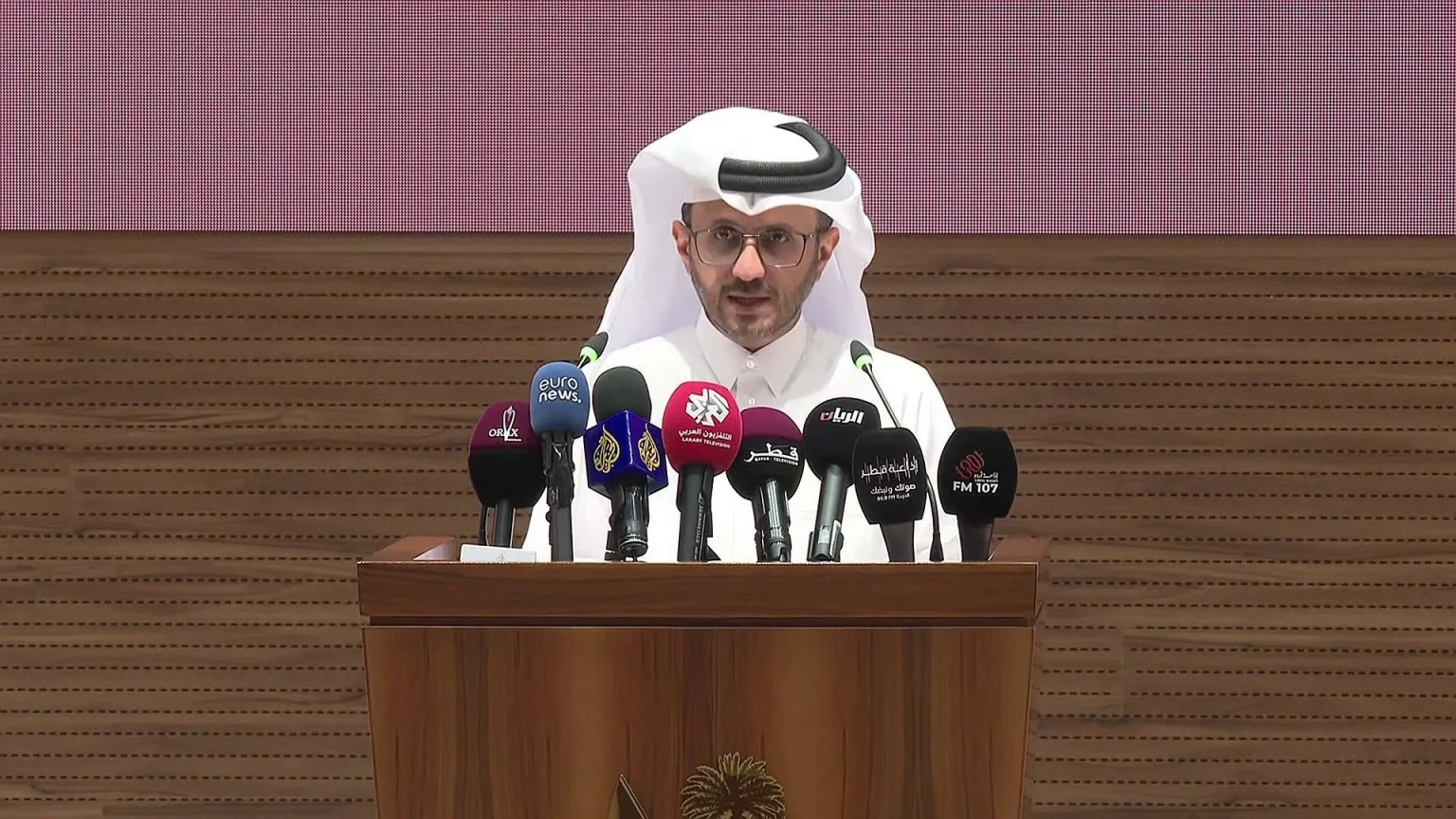
On August 25, 2026, Qatar’s Foreign Ministry spokesperson, Majid Al-Ansari, confirmed the country’s ongoing efforts to facilitate negotiations between the United States and Iran. Despite the absence of confirmed dates for the resumption of talks, Al-Ansari emphasized that Qatar remains committed to regional communication aimed at fostering dialogue and resolving tensions diplomatically.
Al-Ansari noted that diplomatic efforts encompass engaging with various parties involved in the conflict. He clarified that Qatar does not align with any single side but seeks a collaborative effort toward peaceful resolutions. The situation remains tense, and the implications of continued escalations could have lasting impacts regionally and internationally.
Regional Implications of U.S. Sanctions on Iran
Addressing the recent round of U.S. sanctions imposed on Iran, Al-Ansari stated that Qatar does not endorse or oppose these unilateral measures, emphasizing Qatar’s focus on navigating the crisis through diplomatic channels. He articulated that ensuring stability in the Strait of Hormuz and the broader region is pivotal for global energy and food security.
Al-Ansari highlighted the importance of returning to normal shipping conditions in the Strait of Hormuz, warning that ongoing tensions could escalate further. Qatar remains dedicated to adhering to international sanctions while simultaneously fostering regional consensus to address the ongoing crisis.
Diplomatic Moves Amid Regional Turbulence
Recently, Prime Minister and Foreign Minister Sheikh Mohammed bin Abdulrahman Al-Thani led a Qatari delegation to Cairo to discuss regional developments, particularly the situation in Gaza and efforts to decrease tension. This meeting with Egyptian President Abdel Fattah El-Sisi underscores Qatar’s active role in regional diplomacy.
The seventh session of the Qatari-Egyptian Joint Higher Committee resulted in four agreements and memoranda of understanding, including an aid package for constructing a hospital in Sohag. These agreements reflect Qatar’s commitment to regional cooperation amid prevailing conflicts and its strategic interests within the region.
Strait of Hormuz Concerns and Palestinian Developments
Regarding the Strait of Hormuz, Al-Ansari reiterated that any obstruction of navigation by Iran exceeds international maritime laws and must be addressed through direct bilateral solutions. This situation is vital for maintaining peace and stability in international waters, given its significance for global energy supplies.
In terms of Palestinian affairs, Qatar continues to collaborate with international mediators and the United States to urge Israel to adhere to its commitments outlined in peace initiatives. Al-Ansari mentioned the ongoing escalation in Gaza and the West Bank, stressing the need for international intervention to halt aggressive actions against Palestinian sovereignty.
Managing Regional Threats and Economic Resilience
On potential threats from Iran, Al-Ansari rejected any attempts to provoke regional nations into conflict, reaffirming Qatar’s readiness to protect its sovereignty through sustained military readiness and defense measures. Coordinated Gulf cooperation is believed to be crucial in managing any potential threats or escalation scenarios.
In reference to the Qatari economy, Al-Ansari refuted claims of a 30% budget cut reported by the Financial Times. He clarified that adjustments pertain solely to operational expenses and do not impact salaries or capital projects. Qatar aims to prioritize the welfare of its citizens and maintain its developmental projects amidst ongoing regional tensions.
In closing, Al-Ansari reaffirmed Qatar’s commitment to diplomatic resolutions and indicated that ongoing dialogues will continue regarding various pressing issues, including regional security and economic stability. Observers are encouraged to monitor upcoming diplomatic engagements, especially as international and regional pressures evolve.