






King Salman Humanitarian Aid Center repatriates Somali refugees
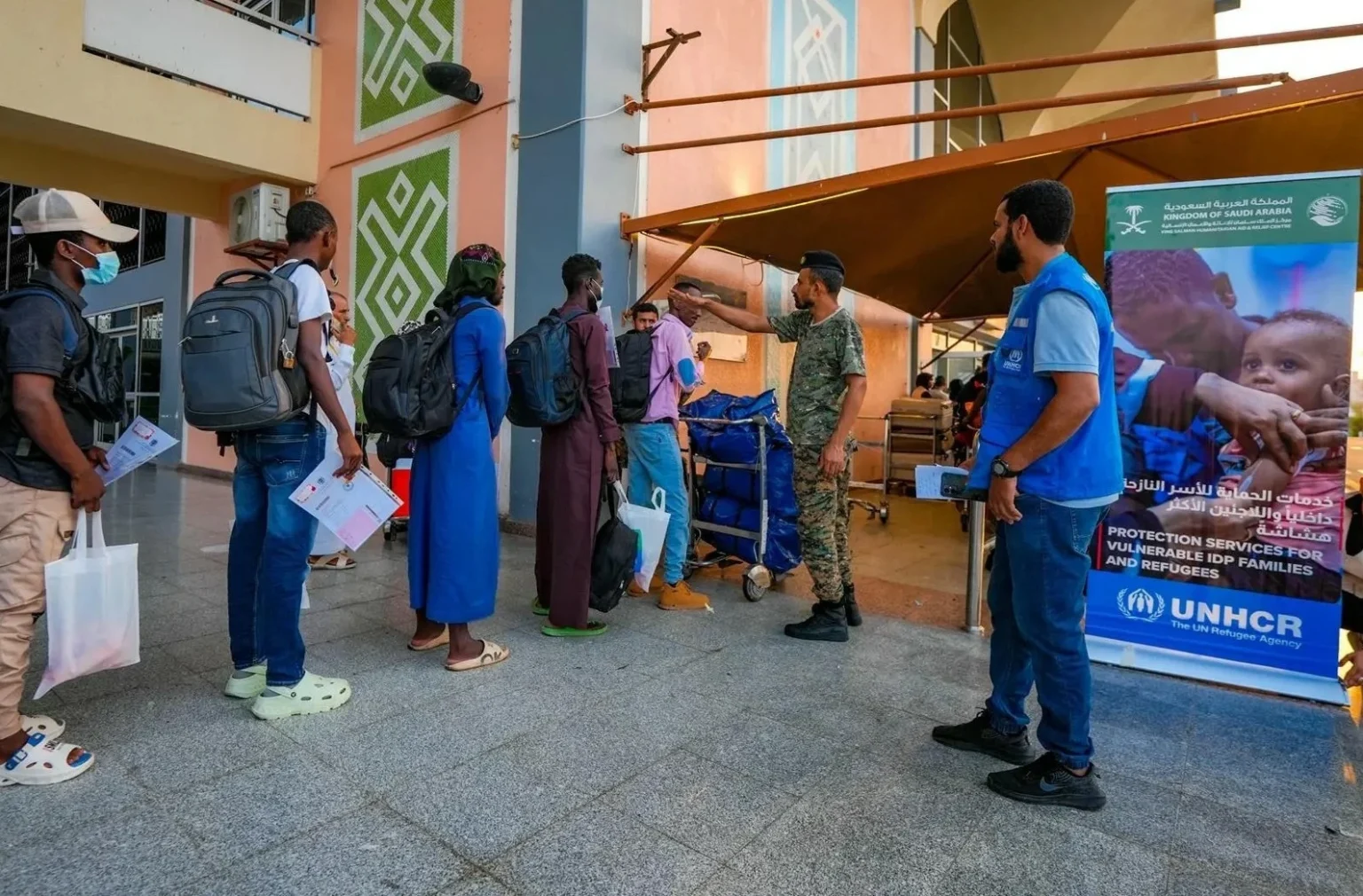
The King Salman Humanitarian Aid Center repatriated 154 Somali refugees from Yemen earlier today, carrying them back to Somalia as part of an organized humanitarian operation. Officials said the transfer was coordinated with Somali authorities and international partners to ensure safe transport, medical screening, and basic assistance for returning families. The move aims to address urgent protection needs following prolonged displacement.
Operation overview and immediate details
The repatriation involved a chartered aircraft and on-ground teams who managed registration and documentation, officials said. Passengers included men, women and children who had been living in various locations inside Yemen, and they were provided with immediate food, water and health checks prior to departure. Meanwhile, the King Salman Humanitarian Aid Center emphasized that the operation followed agreed procedures designed to protect vulnerable individuals during transit.
King Salman Humanitarian Aid Center leads repatriation effort
The King Salman Humanitarian Aid Center, a Saudi government-funded relief agency, led the logistical planning and funding for the mission, according to official statements. The center has carried out similar repatriation and relief operations in the region, and this flight is part of a continuing effort to support displaced populations affected by the crisis in Yemen. Furthermore, the center said it worked with local officials to coordinate arrival procedures and initial reintegration support.
Details of the repatriation flight
Authorities reported that the repatriation flight included pre-departure health screenings and basic documentation checks to confirm identities and record any immediate needs. Medical teams were on hand to identify individuals requiring urgent care, and humanitarian staff distributed hygiene kits and emergency supplies. Additionally, the operation followed international norms for voluntary returns, and officials noted that those repatriated received information about local services and follow-up support in Somalia.
Humanitarian context and background
Somali nationals have for years sought refuge or employment in Yemen, and conflict, economic instability and natural disasters have repeatedly prompted population movements. The ongoing humanitarian crisis in Yemen has strained local capacities and placed refugees at increased risk, according to humanitarian reports. Therefore, repatriation flights and evacuations have become a component of broader regional responses that include food assistance, shelter and health services.
Regional coordination and partner roles
Humanitarian operations of this scale typically involve multiple partners, including host-country agencies, international organizations and non-governmental groups. According to statements, the King Salman Humanitarian Aid Center coordinated with Somali authorities and other stakeholders to ensure safe transit and to align reintegration efforts. Related secondary keywords for this operation include “repatriation flight” and “Yemen evacuation”, which reflect the logistical and protection aspects of such missions.
Legal and protection considerations
Officials stressed that repatriations should be voluntary and conducted in line with international protection standards, including assessments of individual consent and vulnerability. The repatriation event reportedly included measures to verify that returns were voluntary and to identify anyone needing additional protection or referral services. Furthermore, humanitarian actors noted the importance of monitoring post-arrival conditions to ensure that returnees can access basic services and security.
Implications for Somali returnees and host communities
The return of 154 Somali refugees affects both the individuals involved and the communities receiving them. Local authorities in Somalia may need to provide temporary shelter, health care and support for reintegration, officials said. In contrast, the operation could also relieve pressure on informal settlements in Yemen that house displaced persons, but long-term solutions will require sustained assistance and durable reintegration planning.
What to watch next
Observers and humanitarian agencies will likely monitor follow-up assistance, including how quickly returnees access health services, documentation, and livelihood opportunities. The King Salman Humanitarian Aid Center indicated that additional repatriation or assistance operations could be organized as needs are identified, though timelines depend on coordination with partners. Therefore, stakeholders will watch for updates on reintegration programs and any announcements concerning more flights or support packages.
Conclusion and forward-looking steps
The repatriation of 154 Somali refugees by the King Salman Humanitarian Aid Center highlights a targeted humanitarian response amid the broader Yemen crisis. Going forward, readers should watch for official updates on post-arrival assistance, monitoring of returnee welfare, and any plans for subsequent repatriation flights. In the coming weeks, authorities and partners are expected to report on the effectiveness of reintegration support and whether further evacuations or humanitarian measures will be undertaken.