








Qatar Airways Uber partnership
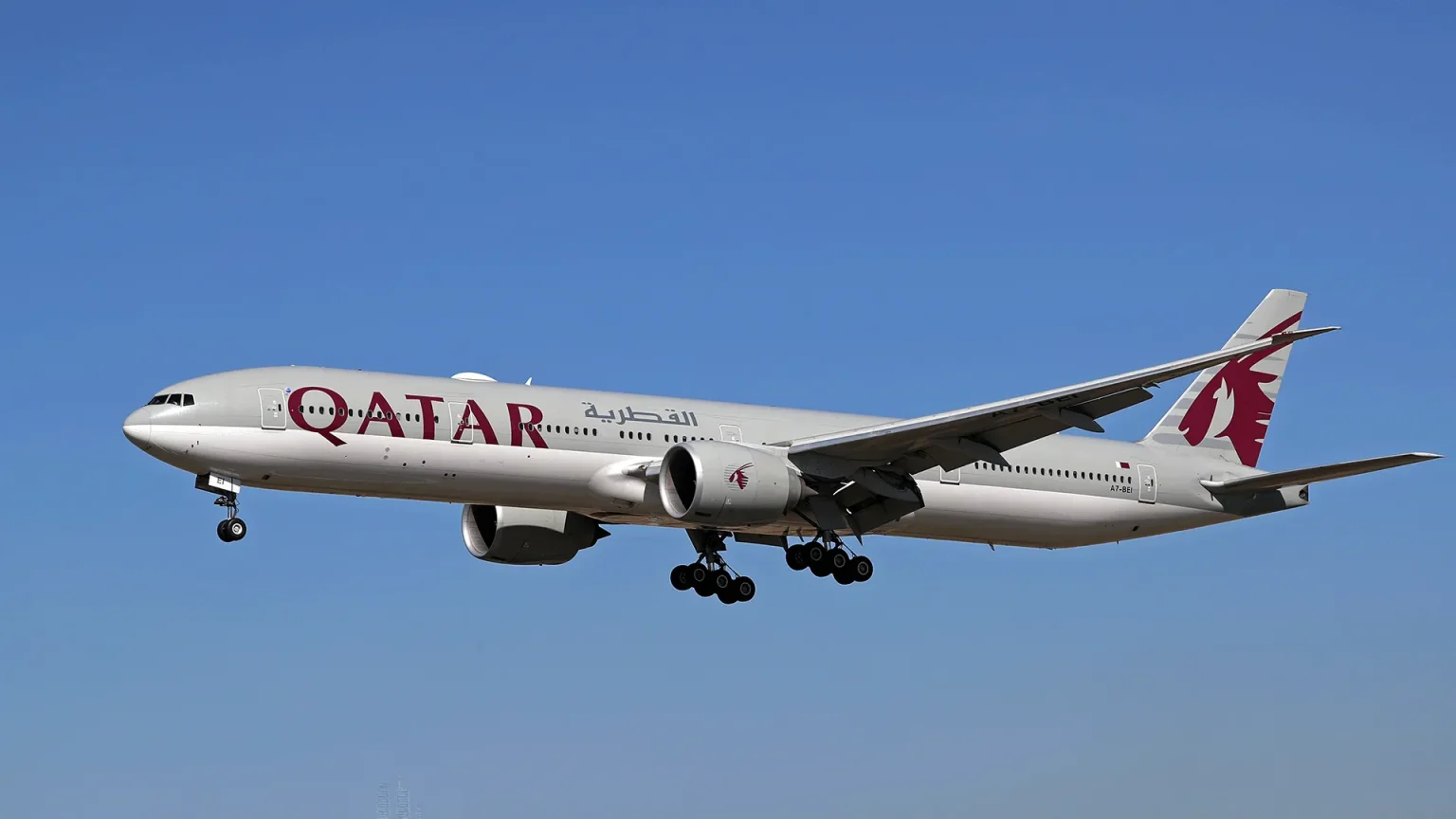
On 27 August 2026 Qatar Airways announced a partnership with Uber for Business that allows corporate travellers to combine air travel and ground transport within a single ecosystem. The Qatar Airways Uber partnership lets members of the Afaaq Unlimited for Business programme redeem Qrewards points for Uber trip vouchers, which are deposited directly to a traveller’s Uber wallet for business journeys in participating markets.
Who announced the deal and what it covers
The carrier issued a statement saying the agreement makes it the first airline in the Middle East and North Africa to integrate Uber services into a corporate travel programme. According to the airline, company travel managers will be able to manage trips from origin to destination, while employees can move seamlessly from flights to ground transport using reward redemptions.
Under the arrangement, Afaaq Unlimited for Business members may convert Qrewards points into Uber vouchers. These vouchers are intended for business use on routes and in cities served by Uber, and they appear directly in the traveller’s Uber app wallet for immediate use, the airline said.
How the integration works
The technical and commercial mechanics are based on features of the Uber for Business platform, which provides expense controls, automated reconciliation and reporting for corporate mobility. Therefore, companies can set spending rules, monitor employee trips and integrate ride expenses directly into accounting systems.
Platform features and corporate controls
Uber for Business allows travel managers to book rides on behalf of employees or guests, allocate vouchers for rides and meals, and control which ride types or price bands are allowed. Additionally, the platform supports consolidated invoicing and automated expense feeds, which can reduce manual reconciliation time for finance teams.
Benefits for companies and travellers
For corporate travel programmes, the partnership offers tighter end-to-end trip management and clearer expense visibility. Furthermore, officials said companies only pay for vouchers that are used, helping to align spend with actual travel activity and reduce unused liabilities.
Employees benefit from a simpler user experience: voucher-based payments appear in the Uber wallet and do not require separate reimbursement. Meanwhile, the airline continues to offer other Afaaq Unlimited for Business perks, such as priority baggage handling and club-tier benefits for eligible members.
Ancillary services and value-added features
Qatar Airways highlighted additional advantages for business passengers, including access to free in-flight internet via Starlink on some flights and priority check-in options for programme members. These extras complement the ground mobility integration by reducing friction across the full journey.
Moreover, the model supports hybrid bookings where companies can combine air itineraries with pre-purchased ground mobility credits. This approach can streamline policies for airport transfers, client visits and daily city commutes that are part of business trips.
Market context and regional significance
The move reflects a broader trend of airlines seeking partnerships with ground mobility providers to offer a unified customer experience. Industry observers note that integrating rail, ride‑hailing and parking into airline loyalty and corporate programmes is an increasingly common way to retain corporate customers and generate ancillary revenue.
In the Middle East and North Africa, the Qatar Airways Uber partnership is notable because it formalises a loyalty-to-mobility redemption route within an airline’s business travel scheme. Analysts say the arrangement could prompt other regional carriers to pursue similar tie-ups if corporate uptake proves strong.
Implications for expense management and policy
By funneling ground travel through a managed platform, companies can enforce travel policies, set per-trip limits and capture richer data on trip purpose and cost. Therefore, finance teams may see quicker reconciliation and fewer out-of-pocket claims from employees.
Additionally, travel managers can use voucher controls to prioritise certain modes or suppliers and to align mobility spend with sustainability or cost-saving objectives. The ability to pre-authorise rides for guests also simplifies hospitality for visiting clients and contractors.
What corporate managers should watch next
Companies evaluating the partnership should monitor the roll-out schedule and the list of participating markets, since the offer depends on Uber availability in each city. Furthermore, travel managers should assess how Qrewards redemptions map to voucher values and how accounting systems will receive expense data.
Procurement teams should also review service-level terms, data-sharing arrangements and any potential impacts on negotiated ground-transport rates. Meanwhile, HR and security teams will want clarity on traveller tracking and duty-of-care provisions when rides are booked through third-party apps.
Conclusion and next steps
The Qatar Airways Uber partnership represents a practical step toward unified corporate travel management by linking frequent-flyer rewards with ground mobility credits. Stakeholders should watch for the partnership’s phased implementation and for any extensions to additional loyalty tiers or travel classes.
Over the coming months, companies will likely pilot the integration, adjust policy settings and measure uptake. Observers will be looking to see whether the model improves traveller experience, reduces processing time for expenses and becomes a benchmark for similar airline and mobility collaborations.