






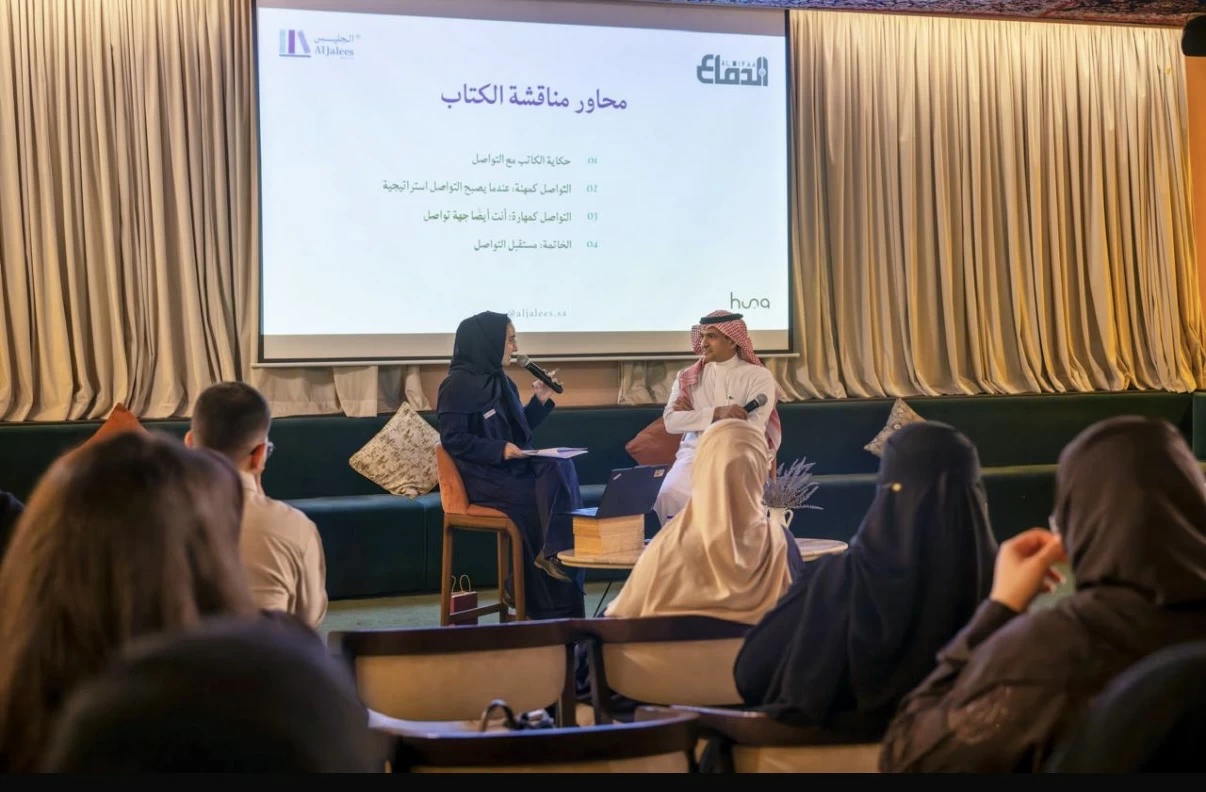

Strategic communication expert outlines practical approach at Riyadh literary forum
Strategic communication took center stage at a recent literary session hosted by the Al-Jalees Cultural Club in Riyadh, where expert Abdulrahman bin Sultan Al-Sultan stressed that success is measured by impact rather than volume of posts or view counts. The session, part of the club’s ongoing program to engage writers and practitioners, introduced ideas from his book “Strategic Communication: Your Practical Guide from Theory to Practice” and linked theory with professional application.
Al-Sultan spoke about his professional beginnings as a campus newspaper editor and his academic training in media studies, explaining how those experiences shaped his approach to communication strategy. He emphasized that effective strategic communication begins with a clear destination: “Where do you want to reach?” according to his presentation outline.
Why strategic communication starts with objectives
Al-Sultan warned that many campaigns fail because teams jump straight to channels and tools without defining objectives or understanding audiences. He argued that content density and reach metrics alone cannot substitute for a guiding strategy that aligns messages with organizational goals and audience needs. Therefore, he urged communicators to prioritize audience analysis and objective setting before choosing formats or platforms.
Furthermore, he noted that communication should not be relegated to a support role; rather, it must be integrated into decision-making processes. This integration, he said, allows communicators to shape choices that affect reputation, behavior, and stakeholder relations, making the communication strategy an active contributor to organizational outcomes.
Common pitfalls and the role of audience insight
According to Al-Sultan, one of the most persistent pitfalls is overemphasizing visibility metrics such as impressions and likes while neglecting outcome-based measures. He pointed out that some organizations equate visibility with effectiveness, even when messages do not translate into understanding, behavior change, or policy support. In contrast, strategic communication assesses impact through measurable changes tied to objectives.
He also discussed how academic study of communication theories helped him anticipate audience trends and adapt messages accordingly. In practice, this means segmenting audiences, identifying needs and pain points, and crafting targeted narratives that resonate. Additionally, timing and medium selection were described as critical decisions informed by analysis rather than convenience or habit.
Internal communication, reputation, and continuity
Al-Sultan highlighted internal communication as a central mechanism for embedding values and connecting employees to organizational purpose. He said continuity and consistency in messaging build reputation over time, and that internal channels should be used strategically to reinforce culture, align behavior, and support external narratives. This perspective places internal communication within the broader communication strategy rather than isolating it as a human resources task.
Moreover, he suggested that communication skills can be cultivated through deliberate practice and that organizations should invest in training to elevate capability. As employees become more fluent in strategic messaging, organizations gain resilience and coherence in public-facing initiatives and crises alike.
Digital legacy and cybersecurity in modern communication
In light of expanding digital footprints, Al-Sultan urged awareness of digital legacy and cybersecurity risks. He noted that an individual’s or organization’s online record can have long-term consequences for reputation and influence. Therefore, planning for content lifecycle, archival practices, and security protocols should be part of the communication strategy to safeguard impact and continuity.
He also recommended routine risk assessments and basic cybersecurity hygiene for communicators, arguing that proactive measures reduce the potential for reputational harm and information breaches. These technical safeguards complement narrative strategies by protecting the channels through which strategic communication is delivered.
Measuring impact: beyond impressions to outcomes
Measurement emerged as a recurring theme. Al-Sultan advised shifting evaluation from vanity metrics toward indicators that reflect real-world change, such as behavioral shifts, policy uptake, stakeholder alignment, or increased trust. He said that without these outcome-focused measures, communication efforts risk becoming performative rather than substantive.
To operationalize impact measurement, he recommended combining qualitative feedback, audience research, and targeted performance indicators aligned with strategic objectives. Meanwhile, dashboards and analytics should support, not define, success by interpreting data through the lens of desired outcomes.
Implications for practitioners and organizations
For practitioners, the session reinforced that methodical planning, audience understanding, and outcome measurement are core competencies. Communication strategy that integrates research, timing, message choice, and tool selection is more likely to produce lasting influence. Therefore, professionals should adopt iterative planning cycles and embed learning loops into campaigns.
For organizations, the implication is clear: elevate communication to a strategic function and allocate resources accordingly. This means involving communicators in early-stage planning, investing in staff development, and building systems that track impact over time rather than counting outputs alone.
Related considerations
Secondary themes addressed during the forum included the importance of communication strategy for reputation management and the role of internal communication in employee engagement. Attendees were encouraged to view digital legacy and cybersecurity as integral to maintaining long-term influence and to incorporate these elements into their communication planning.
Conclusion and what to watch next
Abdulrahman bin Sultan Al-Sultan’s presentation at Al-Jalees Cultural Club underscored that strategic communication is foundational to individual and organizational success. Readers should watch for follow-up events and additional workshops from cultural and professional forums that translate these principles into practical training. In the near term, communicators can begin by reassessing objectives, strengthening audience research, and prioritizing outcome-based measurement to build more effective, resilient strategies.