




Mosquito control symposium convenes in Salalah
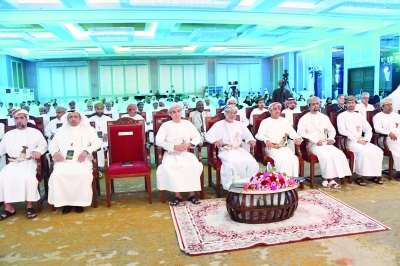
Dhofar Municipality organized a two-day symposium on mosquito control and vector management in Salalah this week, drawing international and local experts. The meeting, held at the Millennium Salalah Hotel, included representatives from the World Health Organization and the Global Mosquito Program. Officials said the event aimed to showcase scientific advances and operational best practices to reduce disease risk in the governorate.
Who attended and what was announced
The opening session was presided over by Dr. Saeed bin Harib Al-Lamki, Undersecretary for Health Affairs at the Ministry of Health, according to municipal statements. Dr. Ahmed bin Mohsin Al-Ghasani, Mayor of Dhofar Municipality, outlined the province’s environmental and climatic particularities and why intensified mosquito control is needed during the Khareef season. International experts, academic researchers and public health practitioners joined technical panels and workshops over two days.
Mosquito control strategies and integrated vector management
Speakers emphasized a shift from reactive measures to integrated vector management that combines environmental sanitation, targeted chemical and biological interventions, and continuous vector surveillance. The municipality described its move to a proactive model based on data, modern technologies and preventative planning. Furthermore, panels highlighted the need to tailor mosquito control tactics to local breeding environments and seasonal patterns to increase efficiency and reduce risks.
Evidence-based studies and operational research
Dhofar Municipality presented several field studies that officials said informed recent operational changes, including evaluations of control methods and assessments of insecticide resistance. One notable study examined a seasonal nuisance fly locally known by a regional name, expanding understanding of its lifecycle and breeding habitats and informing control work. Researchers at the symposium discussed how such studies support decision-making and enable municipalities to select appropriate interventions.
Role of technology, data and partnerships
Sessions examined how artificial intelligence, remote sensing and mobile reporting can strengthen vector surveillance and improve response times. Representatives from the World Health Organization and the Global Mosquito Program described regional experiences using digital tools to map hotspots and prioritize interventions. Meanwhile, local officials underscored the importance of coordinating municipal teams with health authorities, academic institutions and community partners to implement integrated solutions.
Challenges: climate, urban growth and resistance
Panelists noted that changing climatic conditions and urban expansion complicate mosquito control efforts by creating new habitats and increasing population density in vulnerable areas. Officials pointed to the practical challenge of insecticide resistance and the need for routine testing to detect reduced susceptibility. Therefore, combining environmental management with targeted use of control agents and regular monitoring was highlighted as essential to sustain outcomes.
Community engagement and municipal leadership
Dhofar Municipality described the formation of a steering committee to develop innovative responses to seasonal mosquitoes and nuisance species, linking field needs with academic research. The municipality intends to strengthen community outreach, sanitation campaigns and public education to reduce breeding sites. According to organizers, municipal leadership and public participation are critical to maintain long-term gains in mosquito control and broader public health.
Sessions, takeaways and practical guidance
Discussion sessions covered biological control options, the management of small biting flies and similar vectors, and international experiences in integrated vector management. Participants reviewed the effectiveness of various interventions and looked at how to scale successful pilots. Presentations also included a visual summary of Dhofar Municipality’s recent field operations and monitoring efforts to demonstrate real-world application of research findings.
Conclusion and next steps
The symposium concluded with a call for continued collaboration between municipalities, the Ministry of Health, international agencies and research centers to translate evidence into sustained action. Officials said follow-up will include expanded vector surveillance, additional operational trials, and periodic sharing of results to refine control strategies. Observers should watch for published municipal reports and planned field campaigns ahead of the next high-risk season.
What readers should watch
Over the coming months, stakeholders will monitor outcomes from pilot interventions, updates on insecticide resistance testing and the rollout of enhanced vector surveillance systems. The municipality indicated that new data-driven measures and community engagement initiatives will be announced as they move from planning to implementation. Therefore, local residents and public health professionals can expect staged updates that outline timelines and measurable targets for mosquito control progress.