







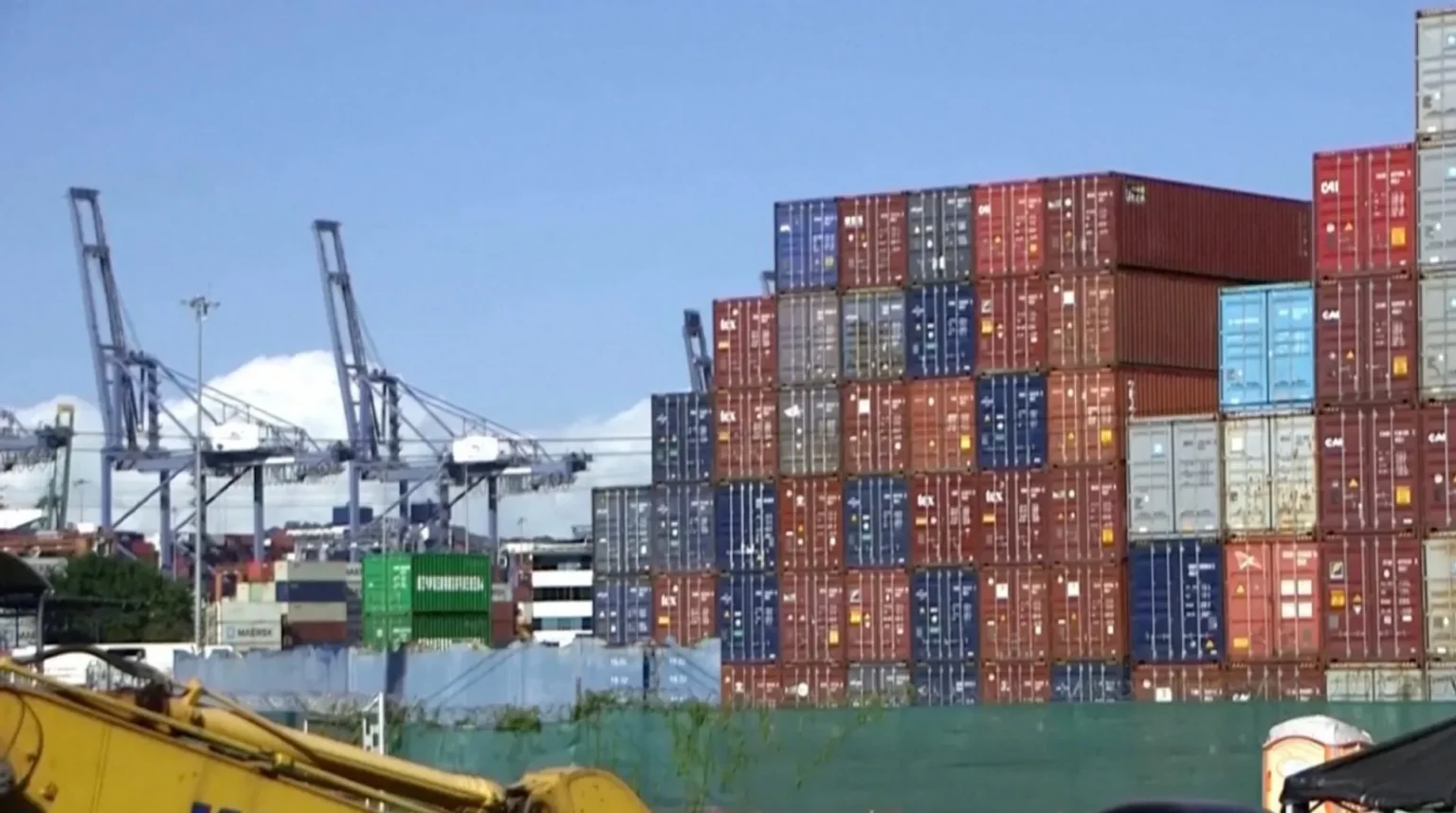

Global shipping is under renewed strain as geopolitical tensions and extreme weather converge on key maritime and inland routes, raising transit times and costs for cargo bound for Asia, Europe and the Americas. The situation, visible from the Strait of Hormuz to the Panama Canal and the Rhine River, is already affecting insurance premiums and freight rates, analysts say.
As of August 2026, shipping firms, insurers and importers face simultaneous disruptions: tankers diverting around the Arabian Peninsula, vessels queuing for Panama Canal transits, and low water levels constraining Rhine navigation. Industry trackers such as Argus and regional correspondents have reported notable cost increases and longer voyage times.
Global shipping under concurrent geopolitical and climate pressures
Maritime operators report that a mix of security concerns in the Middle East and prolonged dry spells in Europe and parts of the Americas has tightened capacity across multiple corridors. Consequently, global shipping networks are experiencing slower turnaround times and higher operational expenses, according to analysts and shipping data providers.
For example, the cost to carry a barrel of oil from the Gulf to Asia reached levels not seen since the mid-2000s, as reported by Argus on 10 August 2026, reflecting both longer voyage options and elevated risk premiums. Meanwhile, the Panama Canal is managing longer waits and constrained drafts, limiting throughput and compelling some carriers to rebook longer, costlier sailings.
Insurance premiums and longer routes push up shipping costs
Insurance against war-related risks has become a material part of the transport bill. Argus data indicate war-risk insurance charges for tankers transiting the Strait of Hormuz have risen to between 7.5% and 12.5% of a vessel’s value, adding millions to the cost of a single voyage for large tankers.
Consequently, shipping costs for fuel and manufactured goods are climbing. Carriers choosing alternative corridors—such as circumnavigating Africa instead of transiting the Gulf—face voyage durations that can more than double. For example, some Japanese importers estimate certain reroutes could extend transit times from roughly 20 days to as long as 50–60 days, affecting working capital and inventory levels.
However, carriers are not the only parties absorbing higher bills. Freight forwarders and traders warn that firms can only internally bear so much additional expense before passing it on, and economists say that will translate into upward pressure on consumer prices for energy and goods.
Rhine drought and Panama bottlenecks strain supply chains
On Europe’s inland waterways, the Rhine’s low water levels have reduced cargo-carrying capacity and forced shippers to substitute river barges with road and rail, often at higher unit cost. Operators reported that inland shipping rates on certain routes have surged—one example saw unit costs rise from about €45 to between €150 and €160—reflecting partial loads and increased handling.
Meanwhile, the Panama Canal’s operational limits, driven by low reservoir levels and maintenance-driven scheduling constraints, have led to delays that can extend waiting times by multiple days. The backlog affects transits between Asia and the U.S. East Coast and reduces flexibility for carriers seeking to rebalance equipment and schedules.
Furthermore, congestion at alternative ports and overland routes amplifies the problem. A surge in demand for overland container capacity and limited inland rail slots have left shippers with fewer low-cost options, compounding lead-time uncertainty for manufacturers in sectors such as chemicals, steel and automotive components.
Energy and manufacturing sectors feel the ripple effects
Energy markets are especially sensitive to elevated shipping costs and risk premiums. Countries heavily dependent on fuel imports from the Middle East, such as Japan, see direct impacts on import bills as insurers and freight rates climb. Industry monitors point to short-term reliance on strategic reserves and rerouting, but stress that persistent cost increases would pressure domestic inflation and monetary policy considerations.
Manufacturers reliant on just-in-time imports are also vulnerable. Chemical producers, steel mills and construction suppliers that use river and coastal freight are reporting higher procurement costs and delivery delays. These operational headaches can slow production lines, increase inventory needs, and ultimately feed through to retail prices.
Data from freight-watchers show shipping rates from Asia to the U.S. East Coast have surged year-on-year, and tankers serving routes to the Mediterranean have seen increased hire costs. Analysts caution that if insurance premiums or canal fees remain elevated, shipping costs will remain a persistent factor in supply-chain inflation.
What shippers, insurers and policymakers are watching next
Industry participants say they are monitoring several indicators closely: insurance premium trends for high-risk sea lanes, Panama Canal queue lengths and transit fees, Rhine water-level forecasts, and container backlog data at major hubs. Those variables will shape whether current disruptions are episodic or evolve into longer-term structural shifts in route planning and inventory strategies.
Shipowners and charterers are balancing safety and cost, while some importers are exploring diversified sourcing and longer inventory cycles to buffer against recurrent delays. Regulators and canal authorities have signaled contingency planning, but experts note capacity upgrades and major routing changes take time and investment to materialize.
Conclusion: short-term pain, watch for longer-term adjustments
Global shipping faces a challenging intersection of war-related risks and climate-driven disruptions that are already increasing transit times and expenses. In the near term, markets should watch insurance rates, canal wait times and river-level forecasts for signs of easing or escalation. Over the coming months, how carriers reprice routes, how shippers adjust inventories, and whether policymakers invest in resilience will determine the lasting impact on shipping costs and consumer prices.